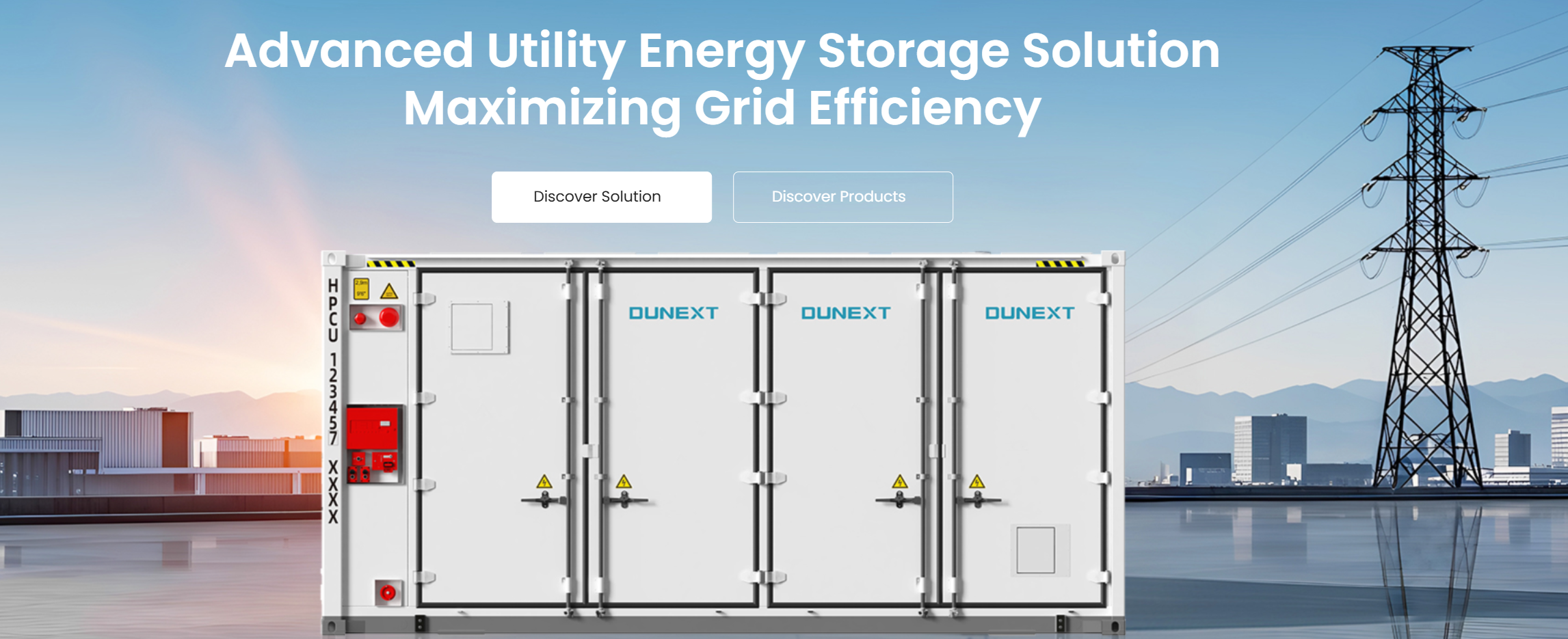
Start with your problem, not the specs
You got a recurring bill spike, dent in uptime, or worry ’bout power when storm season buss up service—dat’s the real issue. Folks like you need clear fixes, not specs pages. A 233kWh energy storage cabinet sits right between the problem and the solution: it smooths peak demand, gives backup runtime, and buys you time to respond when grid trouble pop off. Think about how many hours of critical load you need, and start from there.
Who this size helps most
Look, not everybody need huge megawatt farms. A user-centric view shows concrete fits:
- Small manufacturing lines that need safe shutdown and restart capability.
- Retail stores or malls that face big peak charges around afternoons and weekends.
- Data closets and local edge servers needing short-duration ride-through to prevent data loss.
- Cold storage or refrigeration rigs that must avoid temperature excursions during outages.
One real-world anchor: California utilities and many businesses there already rely on medium-sized storage to shave peaks and avoid demand penalties, so these use cases are proven in high-demand markets.
Pick by outcome: the user’s decision map
Ask three clear questions, answer them, then choose:
- Do I want outage protection, bill reduction, or both? — If both, size to handle critical hours, not every circuit.
- How long must the load survive? — 233kWh often covers short-to-medium backup windows for critical loads.
- Where will the system live physically? — Check clearances, ventilation, and service access first.
When you look at vendors, compare real deliverables: how many kW sustained, cooling needs, battery chemistry warranty, and available monitoring. For product family comparisons and system-level fit, consider how commercial battery storage systems slot into your electrical layout and operations.
Common mistakes operators make
Stop wasting time on myths. Here’s what trips users up:
- Thinking bigger is always better — oversizing wastes capital and complicates maintenance.
- Ignoring the integration costs — switchgear, metering, and control logic add up.
- Skipping realistic load tests — simulated outages reveal mismatched assumptions fast.
- Overlooking ventilation and thermal management — heat kills battery life quicker than you expect.
Do site acceptance tests. Get an actual runtime profile under expected load. That’s non-negotiable.
Simple implementation checklist
Ready to move? Follow this short, user-focused checklist:
- Identify critical loads and calculate required kW and hours.
- Confirm space, mounting, and HVAC needs where the cabinet will sit.
- Plan interconnection with your electrician and utility — know islanding rules.
- Ask the vendor for warranty terms, cycle life estimates, and replacement policy.
- Schedule commissioning with load tests and operator training on the first day.
Keep records of baseline loads and billing for three months before deployment; it makes performance claims verifiable and helps with ROI math.
Alternatives and trade-offs
You might consider demand response, diesel backup, or larger-scale batteries. Quick comparisons:
- Demand response — cheaper short-term but unpredictable when you need it most.
- Diesel gensets — long runtime but noisy, high maintenance, and regulatory hassle.
- Larger batteries — more reserve but higher CAPEX and space needs.
233kWh often wins for businesses needing reliable short-duration backup plus peak shaving without the complexity of grid-scale systems.
Wrap-up that keeps it practical
You want fewer surprises, lower bills when it matters, and solid backup for the stuff that can’t go down. Start with the problem you face, size for the hours you need, avoid common integration traps, and test under real load. When you want a straightforward, site-focused solution that sits in the real world and delivers those outcomes, consider how Dunext designs systems to match operational needs rather than sell specs alone.