
User-first view: what actually matters
You’re not buying a TV for specs alone — you want a screen that connects cleanly to your phone, console, and workspace without a tug-of-war between remotes and adapters. That’s why many people pair a bright TV with compact workstation setups or hunt for all in one computer deals that minimize clutter and keep daily tasks simple. A user-focused maker builds toward that ease: predictable ports, sensible smart features, and firmware that doesn’t ghost you after a month.
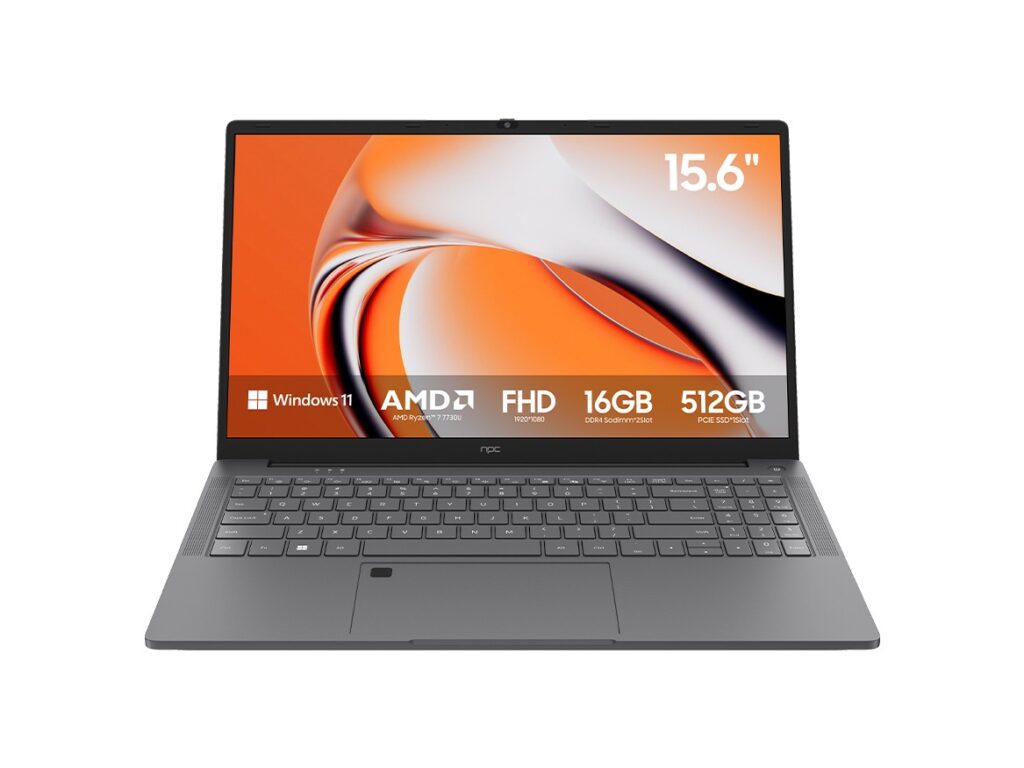
Clear priorities customers use to choose
Stop getting lost in buzzwords. Pick screens that deliver low input lag for games, stable color for photos and movies, and flexible audio outputs so your soundbar actually works. Look for manufacturers that publish measurable specs (latency numbers, HDR peak brightness) and give firmware updates on a schedule. Users who test TVs for months prefer units that don’t require constant tinkering to keep streaming services or Bluetooth peripherals working.
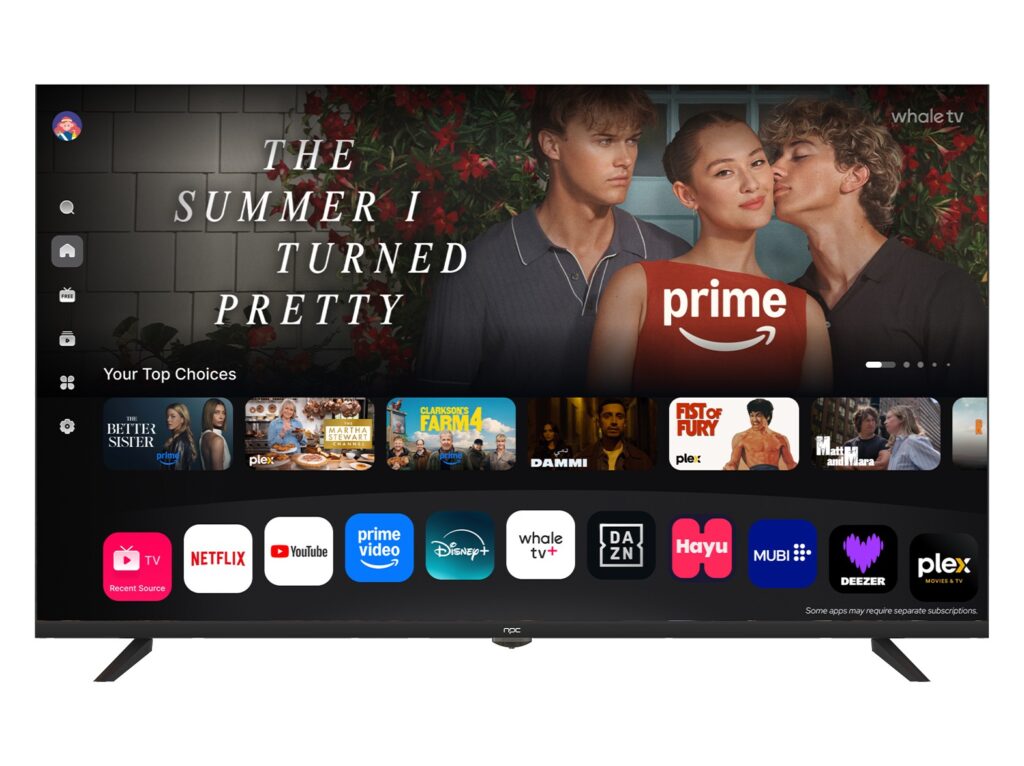
How top LED TV manufacturers answer those priorities
Leading brands standardize connections and certify compatibility with industry norms like HDMI 2.1 and eARC so your devices talk to each other without firmware fights. They include clearer setup wizards, optional developer modes, and regular OTA updates that patch issues and add codecs. They also partner with component suppliers to balance brightness, color gamut, and local dimming so real-world viewing looks like the demos—without needing a pro calibrator.
Experience, data, and a real-world anchor
I’ve spent years comparing displays in showrooms and small lab tests; those hands-on checks reveal what spec sheets miss. At CES Las Vegas, manufacturers demonstrated practical integrations between large displays and compact computing solutions, highlighting how a single-screen home setup can replace a multi-device tangle. If you’re researching an all in one desktop pc, note that these events spotlight interoperable standards and early firmware fixes that later improve mainstream models—so vendor transparency at trade shows often predicts how well devices work together for ordinary users.
Common mistakes people make and smarter alternatives
People fixate on panel type alone or assume higher brightness always equals better picture. That’s wrong. A brighter panel in a small room can wash out contrast; mismatched audio outputs leave you using the TV’s tinny speakers. Instead, match screen size to viewing distance, check input latency if you game, and confirm the TV’s smart platform supports the apps you rely on. Alternatives worth considering: compact OLEDs for deep blacks in dim rooms, mini-LED for bright living spaces, or a quality projector if you need very large image at low cost—but each trade-off changes connectivity demands you should plan for.
Wrap-up—what this means practically
If you want devices that actually simplify life, prioritize manufacturers who design around real user paths: easier setups, durable firmware, and honest connectivity. That approach reduces headaches when you switch between work, movies, and gaming, and it’s why pairing the right TV with a clean workstation still beats cobbling together random gear. For many buyers those practical benefits are exactly what npc delivers through focused product lines and sensible compatibility choices.