

Problem statement: why precipitated silica trips up projects
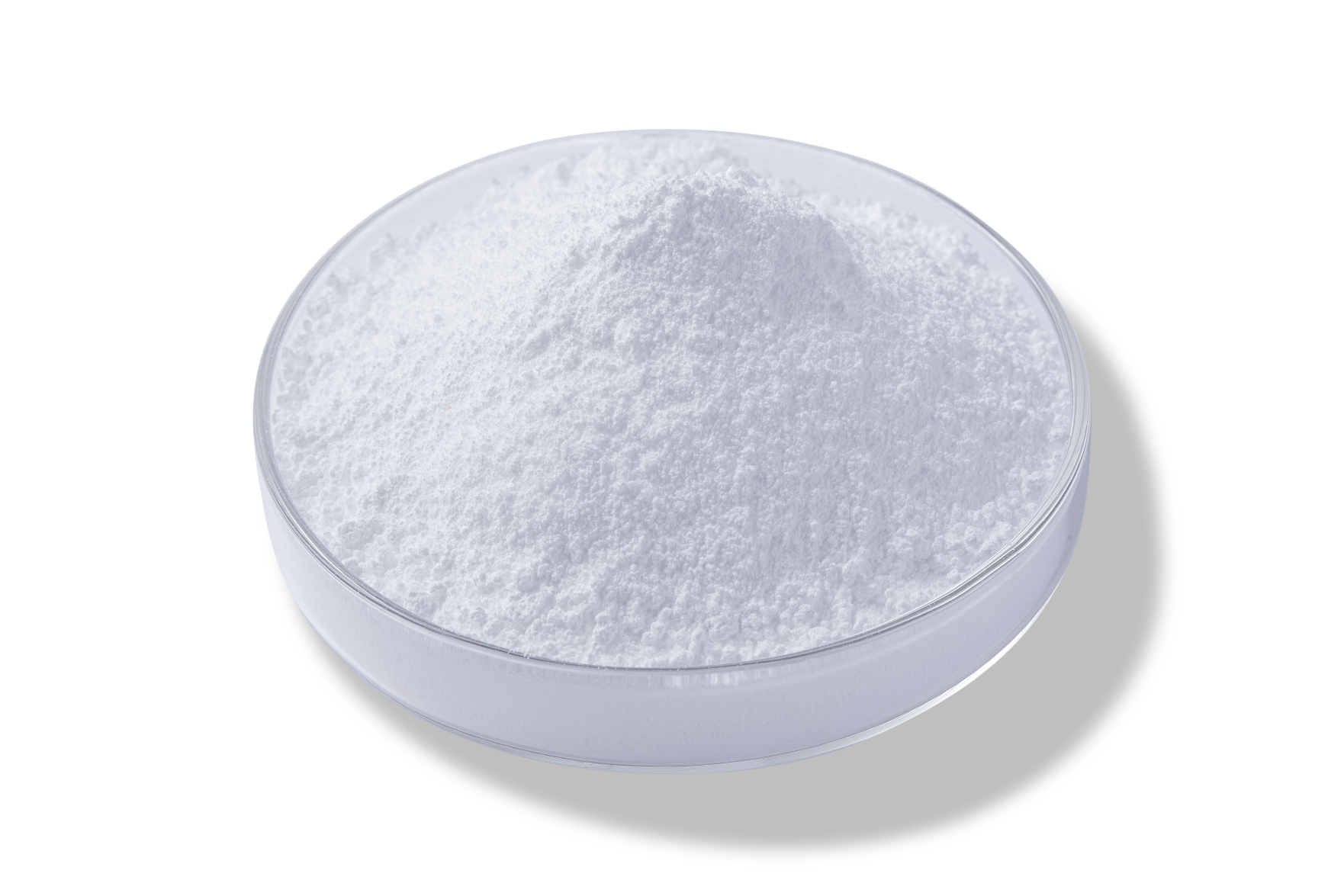
Projects stall when silica behavior diverges from spec: unexpected viscosity spikes, poor wet-out, or uneven dispersion that wrecks product performance. Engineers and buyers face tight tolerances on particle size, surface chemistry and moisture while juggling cost and supply. Choose the wrong grade and you get inconsistent cure, higher energy for mixing, and scrap. For immediate checks, compare batch samples to a trusted reference like fine silica particles before scaling up.
Diagnose the root causes
Most production failures trace to three variables: structure (aggregate morphology), surface area (BET), and surface chemistry (hydroxyl density or treated vs. untreated). Structure controls reinforcement and compound modulus. BET controls viscosity and filler loading. Surface chemistry controls filler–polymer coupling and processing aid need. Misreading any one leads to wrong silane selection, incorrect mix cycles, or poor shelf stability.
Key design variables to specify
List the measurable specs you must lock down: primary particle size (nm), CTAB/DBP or DIN methanol absorption values for structure assessment, BET surface area (m²/g), pH and loss on ignition, moisture content, and any pre-treatment (hydrophobic or silane-coated). Call out acceptable tolerances for each based on final application: elastomeric tire tread tolerances differ from adhesive or paint fillers. State range, not vague targets.
Processing controls that matter
Dispersion beats specification every time. Use staged addition: polymer premix → silane (if used) → silica with controlled shear. Dial pump rates and rotor speeds to reach target viscosity rather than time-based cycles. Keep temperature control tight; silica heats under shear and accelerates silanization or premature crosslinking. Dwell too long at high temp and you’ll see gelling or loss of blast performance.
Sizing and coupling: practical trade-offs
Silane coupling boosts bonding but raises handling complexity and cost. Over-application clogs mixing and shortens pot life. Under-application loses reinforcement. Match silane type to polymer polarity and curing chemistry. Use staged or in-situ silanization when equipment allows; otherwise source pre-treated grades to cut on-site variation.
Common mistakes and how to avoid them
Buyers often accept broad spec sheets and assume consistency across batches. That’s wrong. Always request representative lot certificates and short-run supply from the vendor. Engineers underestimate storage impact: silica adsorbs moisture and organic volatiles, changing surface activity. Store in dry, covered silos and verify moisture weekly. Don’t ignore mixing order—adding silica too early or late creates unmanageable torque or voids.
Real-world validation and credibility
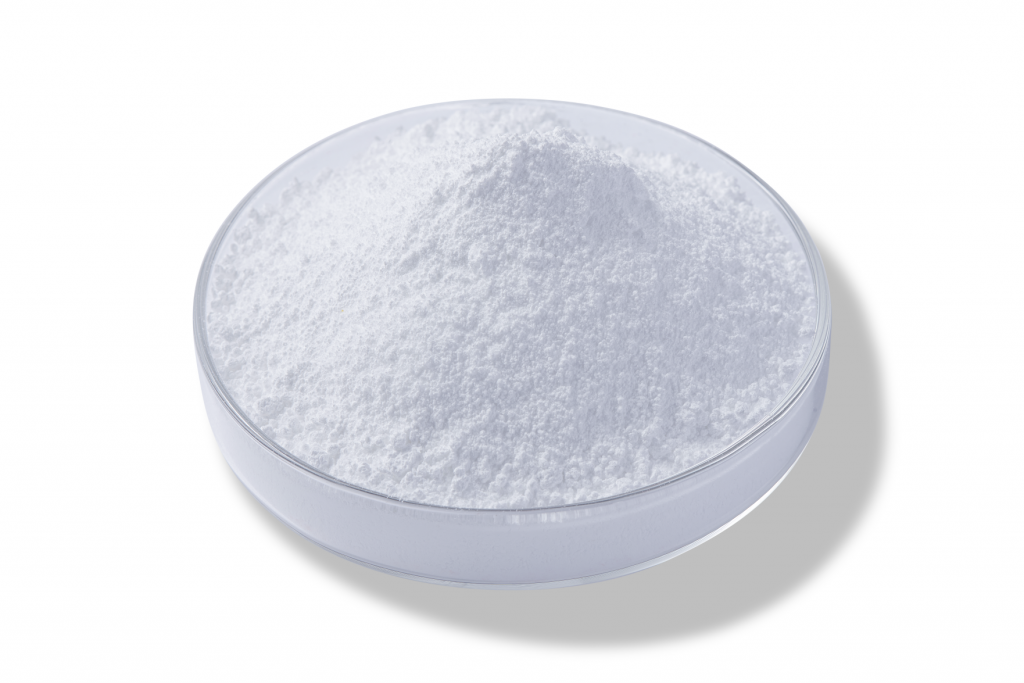
I’ve run formulation trials and line-scale trials tied to tire R&D centers in Aachen, Germany, where small changes in silica grade altered rolling resistance and wear. Those field benchmarks guided selection of ultrafine silica for specific tread compounds. Use short production pilots and instrumented torque curves to validate any new lot before committing to full runs.
Alternatives and when to pick them
Consider fumed silica for very low-density, high-thixotropy needs; it differs in surface chemistry and structure and will change cure and mixing energy. For cost-driven fillers, precipitated silica with lower BET gives lower viscosity but reduces reinforcement. Make the trade-off explicit: lower cost versus lower performance. Always run side-by-side sheets and dynamic mechanical analysis to quantify changes.
Specification checklist for procurement
Buyers should demand: lot-level BET, CTAB/DBP values, particle size distribution, moisture by Karl Fischer or equivalent, pH, loss on ignition, and a representative sample. Ask for COA and short-run availability. Include acceptance criteria for torque rise, dispersion index, and a signed deviation process for out-of-spec deliveries.
Final synthesis: what good selection delivers
Stop guessing. Define the measurable attributes you need, validate with quick pilots, control mixing and storage, and set clear supplier quality gates. That practical loop—specify, test, control—keeps compounds predictable and production steady. For consistent supply that matches the technical demands described here, consider sourcing through proven specialists such as JSJ Silica who support lot-level detail and pilot validation.
