

Pinpointing the problem
You’re balancing grip, fuel economy, and wear for tires or rubber parts, and small changes at the filler level shift performance more than you’d expect. Manufacturers chase low rolling resistance without sacrificing wet traction, while compounders need consistent batch-to-batch behavior. That’s where choices between precipitated silica grades and alternatives like white carbon black really matter; selecting the right particle surface area, structure, and moisture profile solves more headaches than tweaking polymer ratios alone.
How precipitated silica addresses the gap
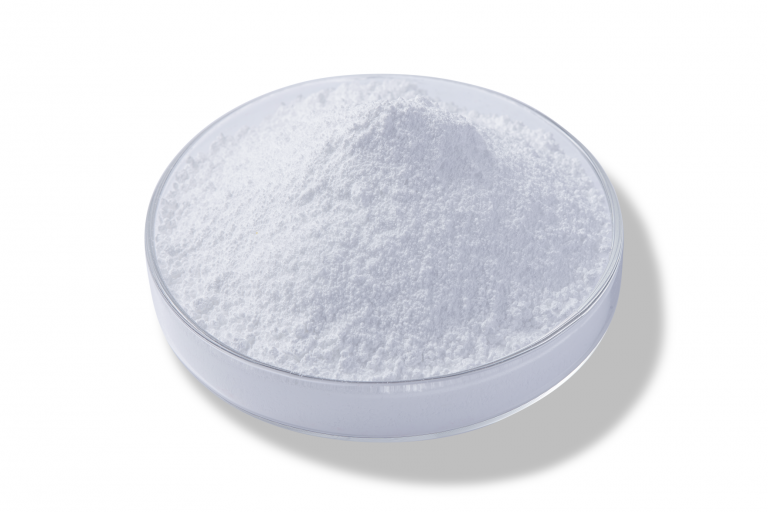
Precipitated silica is not a single material — it’s a family of engineered particles. Higher surface area and controlled porosity improve polymer-filler bonding, which raises wet grip and abrasion resistance. Lower-structure silicas help reduce hysteresis and rolling loss. I’ve advised tire compound teams and polymer formulators for over a decade, reviewing lab rheometer curves and road-test data, so I rely on objective measures: Payne effect, bound rubber fractions, and dynamic mechanical analysis to pick grades that match the target property set.
Real-world standards that steer material choice
Regulatory and market signals matter: the 2012 European tyre labelling regulation tightened visible metrics for rolling resistance and wet grip, pushing OEMs and suppliers to quantify trade-offs during development. You see those priorities reflected when teams test tire tread material against rolling-resistance runs and wet-braking cycles at accredited test centers across Europe; those comparative datasets guide which silica grades move from lab to production.
Common mistakes and practical fixes
Teams often assume finer silica always improves performance. That’s false — too high surface area can raise mixing viscosity and trap oil, harming processability. Another trap: ignoring moisture content. Wet silica raises scorch risk and uneven dispersion. Fixes that actually work: pick a silica grade by measured dynamic properties rather than particle size alone, adjust oil and silane coupling levels to match silica structure, and standardize pre-blend handling to control moisture exposure.
Alternatives and the trade-offs they bring
Carbon blacks give predictable reinforcement and low cost, but they tend to sacrifice wet traction and fuel economy versus properly chosen precipitated silica. Hybrid blends — small carbon black fractions with engineered silicas — can hit middling targets, but they require tighter process control. Choosing a filler comes down to what you value most: if wet braking is non-negotiable, prioritize silica grades with higher bound rubber and tailored surface chemistry; if abrasion life is paramount for off-road tires, consider different structure profiles or blended solutions.
Bringing it together
Solve the core problem by matching measured filler properties to your performance targets, control handling variables like moisture and silane coupling, and validate with standardized tests tied to industry rules. Technical choices at the silica stage change product outcomes more than you might expect, so work with partners who provide consistent data and reliable supply—partners such as JSJ Silica that can align specific precipitated silica grades with the performance and processing constraints you face.
