
Introduction
I once sat in a clinic lobby watching a señorita scroll through product reviews while she waited for a session — she looked confused, and I remember thinking, “same.” In case you haven’t seen one up close, a red light bed is a flat, glowing unit people lie on for skin and recovery work; sales have jumped (some places report double-digit growth year over year). Here’s the kicker: many users expect dramatic results after a week, but the data says benefits usually build over months. So, qué pasa — why do two people try the same device and get very different results?
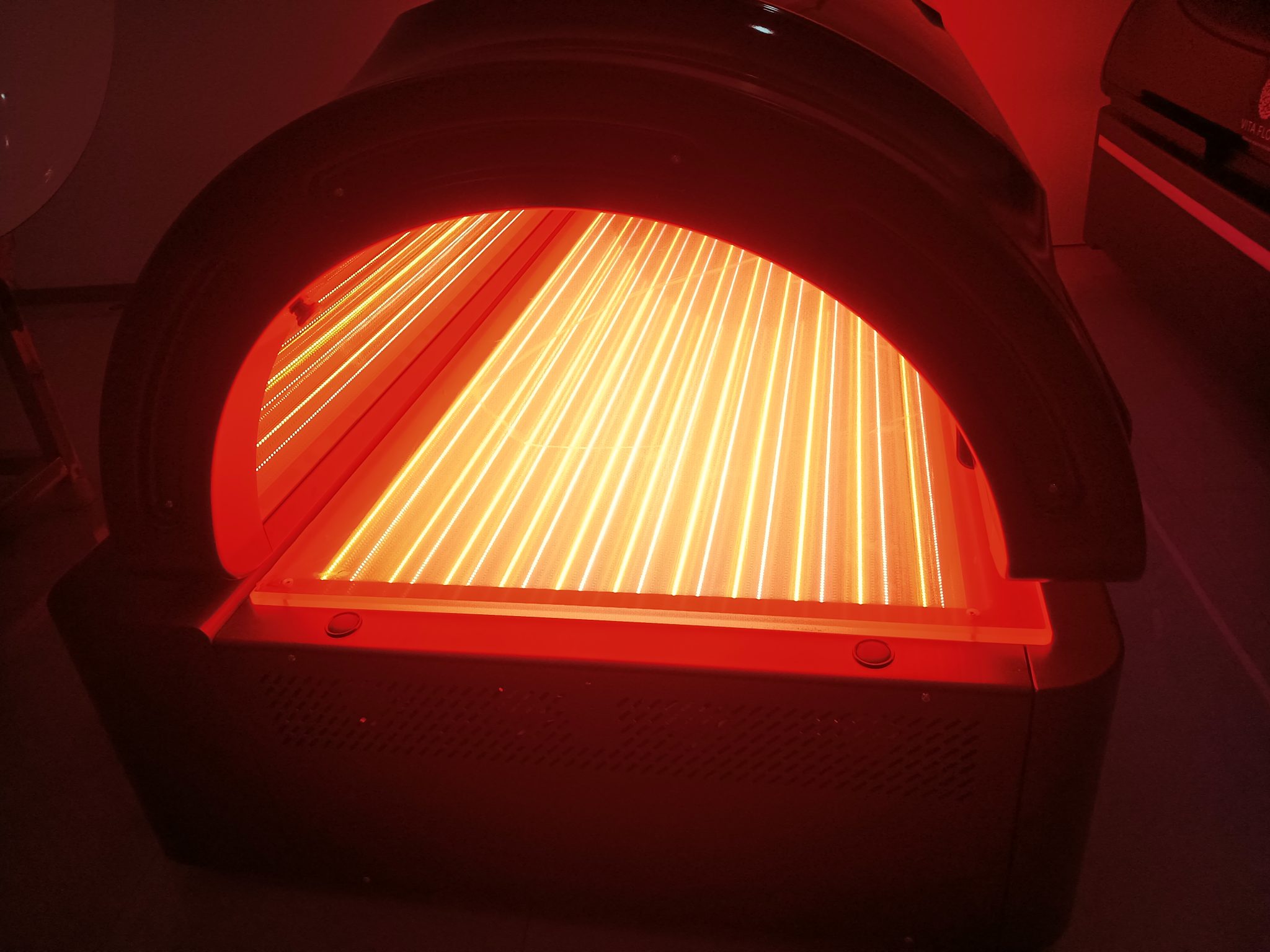
I’ll be honest: I’m picky about claims. I want clear facts, not buzzwords. In clinics I visit, people ask about wavelength and photobiomodulation like they’re magic spells. They’re not. Wavelength and irradiance matter — and so does how a machine manages heat and power. I’ll walk you through the parts that actually change outcomes, share real frustrations I’ve seen, and help you compare devices without falling for flashy marketing. Ready? Vamos — we start with what often goes wrong.
Why Traditional Fixes Often Fail
What’s really wrong?
When clinics swap out old bulbs for newer units, they often pick the brightest-looking model. But brightness alone doesn’t solve the core issues. I tested several machines and found that many so-called upgrades ignore proper irradiance distribution — and that kills results. The first time I compared a top-of-the-line LED array to a mid-range unit, the mid-range gave more even coverage. That surprised me. If you’re shopping, check the specs, but also—look at real performance in use. I linked a trusted source below for a quick peek at one example: infrared light therapy bed. (Yes, the link goes to a vendor, but I mean it as a demo of specs, nothing more.)
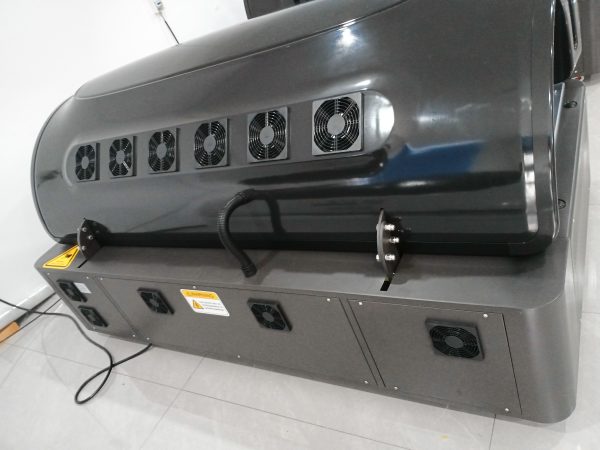
Here’s the technical bit without the fluff: power converters, thermal management, and LED array layout control how much effective light reaches tissue. Photobiomodulation needs consistent wavelengths and stable power. I’ve seen machines drop output as they warm up — users blame the therapy, when really the device lost calibration. Look, it’s simpler than you think: even small dips in irradiance change dose. That matters whether you’re treating skin, muscle, or chronic pain — and it’s the reason treatments can feel hit-or-miss. — funny how that works, right?
Where the Tech Is Headed and How to Compare
What’s Next?
Now let’s look forward. New designs focus on smarter control systems and hybrid LED layouts that mix deep-penetrating wavelengths with surface-friendly ones. I study engineers working on better heat sinks and more precise power converters because those parts let devices hold steady output for longer sessions. The goal is consistent photobiomodulation across the whole bed, not just a bright center spot. When I test prototypes, I watch for wavelength stability and how quickly the device cools after a session — practical things that affect real use.
To pick a device today, I recommend three simple metrics — my short checklist: 1) Measured irradiance across the treatment surface (not just peak), 2) Wavelength accuracy and stability during a session, and 3) Thermal and power management that prevents output loss. Use these to compare models side-by-side. If you want a quick rule: more even irradiance beats higher peak numbers. I’ve sat with patients who switched machines and saw steady improvements over weeks — patience plus the right machine wins. For actual units to inspect, I often point colleagues toward manufacturers who publish test data and clear specs, like infrared light therapy bed. In short, measure, compare, and choose with those three metrics in mind — you’ll save time and money. — and yes, I’ll keep testing so you don’t have to.
Finally, if you want plain advice from someone who’s used these beds in clinics and at-home setups: trust measured performance over marketing. I’ve seen promise turn into disappointment when buyers skipped the specs. Take these tips, compare carefully, and if you want examples or a quick walk-through of spec sheets, I’ll help. For reliable equipment references, check out Magique Power.