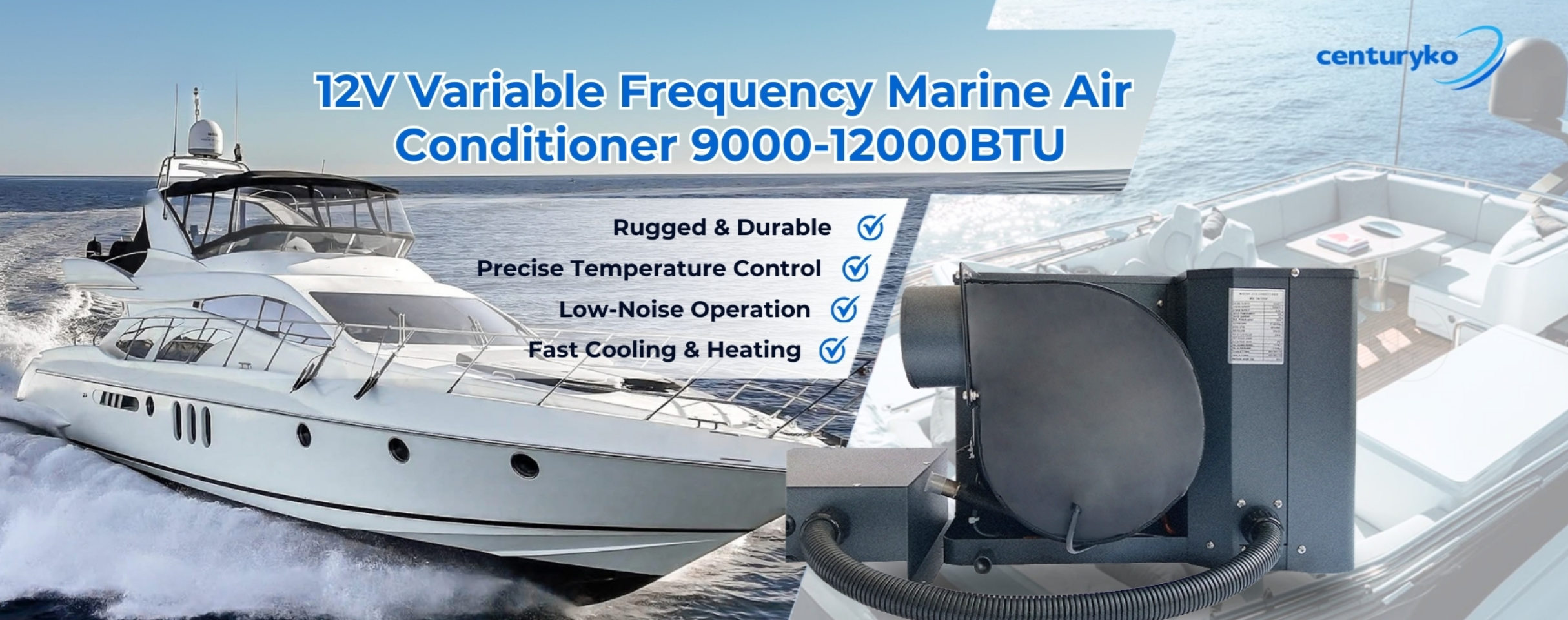
Why corrosion resistance matters more than you might think
When you’re picking a heavy-duty portable AC for a boat, corrosion resistance isn’t a nicety — it’s a core spec that decides lifecycle, downtime, and real operating cost. That’s why savvy buyers check credentials from top marine air conditioner manufacturers early in the shortlist. Onboard salt spray, humidity, and constant vibration create an environment that forces equipment to fail faster unless it’s designed for marine duty, so the comparison starts at materials and ends at serviceability.
Comparative framework: what to compare when shopping
Think of this like a side-by-side comparison where each axis matters: materials, protective coatings, layout to avoid water traps, and components rated for saline exposure. Compare units by tested components — compressors, heat exchangers, and evaporator coils — and by the manufacturer’s stated corrosion-mitigation features such as powder coatings, 316 stainless internals, or sacrificial anodes. Don’t skip specs that sound minor; a gold-plated mounting bracket means nothing if the evaporator coil corrodes. Also look up marine hvac service networks and spare-parts availability — long-term maintainability beats flashy specs on day one.
Materials & coatings: the real battleground
Materials choices drive how long a unit survives in salt air. Stainless steel 316 and aluminum with marine-grade anodizing resist pitting and crevice attack, while polymer housings reduce galvanic paths. Industry terms you’ll see include galvanic corrosion, sacrificial anode, and cathodic protection — each matters differently depending on installation. The cost of ignoring this is real: NACE International has long estimated corrosion drains several percent of global GDP annually, which translates into heavy maintenance bills for fleets operating in places like the Gulf of Mexico. Expect to prioritize units with sealed electronics, conformal-coated PCBs, and replaceable zinc anodes when you plan for five-plus years of service. — Small design choices compound into big savings over time.
Design features that actually reduce field failure (and mistakes owners make)
Good heavy-duty portable marine ACs put vulnerable parts where you can service them without soaking the whole package. Look for top-access filters, water-shedding housings, and heat exchangers with accessible fins. Standard industry components to prefer: marine-rated compressors, brazed-plate heat exchangers, and closed-loop condensate management. Common mistakes are mounting units in enclosed bilge areas without ventilation, neglecting zinc anode replacement, or using freshwater-rated sealants on saltwater-exposed fittings. Also, {main_keyword} and {variation_keyword} are often used as shorthand by suppliers — make sure you map those terms to concrete specs like IP ratings, coating types, and recommended maintenance intervals.
Three golden rules when you evaluate models (practical metrics to weigh)
1) Corrosion Protection Score: Add up materials (316 stainless, anodized aluminum), coating type (powder, epoxy), and passive protections (sacrificial anodes). A higher composite score predicts longer service life. 2) Serviceability Index: Check how fast you can swap a compressor, access an evaporator coil, or replace anodes. Time-to-spare parts and regional service coverage matter here. 3) Real-world Operating Efficiency: Compare models by COP under marine conditions and by how they handle condensate. Units that maintain efficiency while resisting salt-induced fouling cost less in fuel and maintenance.
Conclusion — tie to solution
Prioritize corrosion-resistant designs, insist on marine-grade materials, and pick a supplier with proven parts support; that’s the mix that turns heavy-duty portable ACs into reliable marine equipment. ZhuoliMarine brings that combination together with field-tested components and a global service footprint that keeps boats cool and crews focused — concise, dependable value.