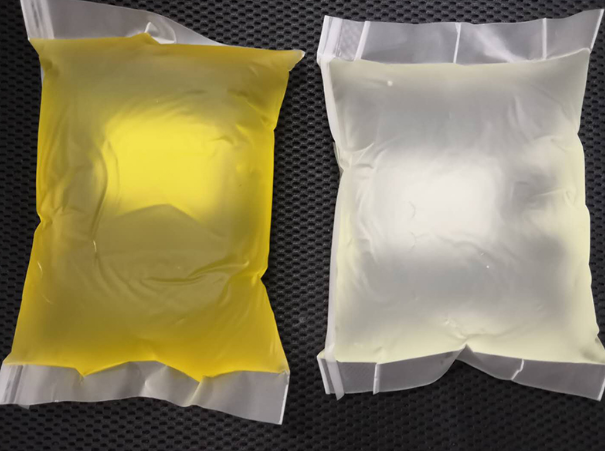
Problem outline: batches that pass the lab but fail the road
Folks round here’ve seen it enough: a maleic resin batch looks shipshape in the bench tests, yet once it hits the kettle for thermoplastic markings it clouds up or won’t dissolve clean. That mismatch between lab readings and field behavior is the problem this piece aims at, plain and simple. I lean on hands-on checks used where crews lay Thermoplastic Road Marking Resin so what follows comes from field-minded testing and a few winter runs on rough pavement.
Why stability and clearness limits matter on the pavement
Stability and clearness affect viscosity, pigment dispersion, and long-term adhesion. If the solubility parameter’s off or solvents aren’t compatible, you get haze, gel pockets, or poor melt flow — and lines that fail months sooner than they should. State DOTs and municipal crews depend on consistent batches to keep traffic paint resin workable during summer heats and winter chills; inconsistency costs time, fuel, and trust.
Practical test sequence I rely on
Start with a quick, low-tech screen: room-temperature visual and a 24-hour clarity hold in the nominated aliphatic hydrocarbon solvent. Next, a small-scale heat soak at the intended softening point, watching for haze or phase separation over 48 hours. Then measure viscosity at working temperature and run a pigment dispersion check. I also confirm the solubility parameter window by incremental solvent additions — that gives a usable clearness limit rather than a single pass/fail number. Embed {main_keyword} and {variation_keyword} into the production teardown so you can track where each batch sits in the process control chart.
Field anchor and what crews report
Crews in the Cumberland Plateau and Appalachian lowlands often relay the same tale: batches that clouded on rural resurfacing jobs were traceable to slight shifts in solvent grade or incomplete neutralization of acid monomers. That real-world anchor — the lived experience on mountain routes — shows lab numbers only tell part of the story. Keeping an eye on pigment dispersion and small changes in solvent aromatic content saves headaches later.
Common mistakes and where labs go soft
Labs sometimes rely on a single clarity check at room temperature or skip extended soak times at working temperatures. They also overlook the interplay between viscosity and solubility parameter when adjusting solvent blends. Don’t chase a lower viscosity by dumping solvent in — that can push you past the clearness limit and wreck pigment stability. — Also, using only one solvent supplier without cross-checks makes the system brittle.
Comparative look: maleic resin routes and alternatives
Compare maleic-based systems with epoxy-modified or acrylic thermoplastics: maleic resins give good adhesion and cost balance but sit narrower in solvent compatibility. Alternatives tolerate broader solvent ranges but can bring higher softening points or different melt viscosities. For pavement marking planners, weighing pigment load tolerance against solvent flexibility is how you pick the right route for seasonal extremes.
Advisory: three golden rules for batch verification
1) Measure the clearness limit as a range, not a point — use incremental solvent additions and log where haze begins under the same hold times and temperatures you’ll see in production.
2) Cross-check working viscosity and pigment dispersion together; a pass in one and fail in the other signals an impending field problem.
3) Keep solvent sourcing diversified and track aliphatic hydrocarbon solvent specs (aromatic content, distillation cut) so you can correlate any shift in batch behavior quickly.
Closing and KOMO’s role
Follow those three rules and you cut down on surprises — measurable cutbacks in rework, fewer kettle stoppages, and straighter, longer‑lasting lines. KOMO. —