Why compare customized long-sleeve tops with off-the-shelf options
Choosing between bespoke long-sleeve yoga tops and standard inventory comes down to fit, function, and brand alignment. A direct comparison helps teams, boutiques, and yoga retreats prioritize what matters: fabric performance, manufacturing lead times, and margin. For businesses that also want a short-sleeve offering, consider pairing decisions with custom short sleeve shirts to keep seasonal ranges consistent across collections.
Key performance differences: materials, seams, and fit
Customized pieces let you pick performance knit and breathable fabric engineered for studio and outdoor sessions. Brands can choose moisture-wicking blends with elastane for stretch, or a higher cotton ratio for a softer hand. Flatlock seams and gusset panels reduce chafing during flow sequences, while specific compression zones support muscle engagement. These are not just terms — they translate into fewer returns and better customer reviews when matched to your target class style.
Production, lead time, and minimums
Standard stockitems ship fast but offer little control over sizing or construction. Custom runs require sampling, pattern grading, and production testing, which extends lead time. Factories typically set minimum order quantities; smart brands use tiered runs to test a core long-sleeve silhouette before scaling. In practical terms, planning around studio schedules and seasonal workshops — like summer outdoor classes in Los Angeles — helps avoid rushed orders and inventory gluts.
Cost versus lifetime value: a comparative look
Upfront costs are higher for customization, yet margin per unit can improve if your brand commands a premium for better fit and unique design. Consider lifecycle costs: longer-lasting fabrics and reinforced seams reduce churn and warranty claims. For retail partners and subscription-box models, that lower return rate and higher perceived value often justify the initial investment.
Design choices that affect sell-through
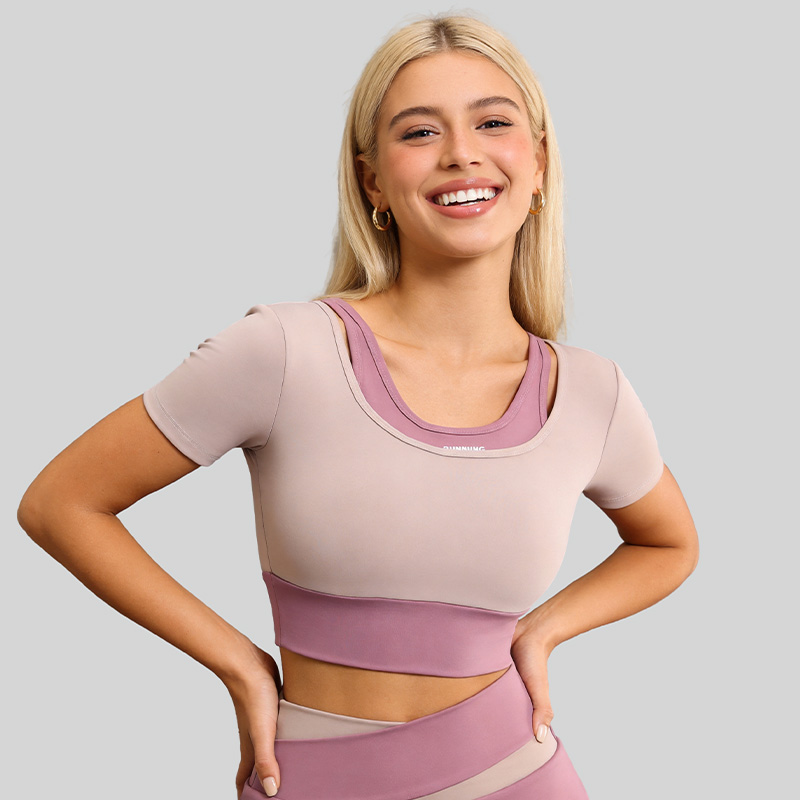
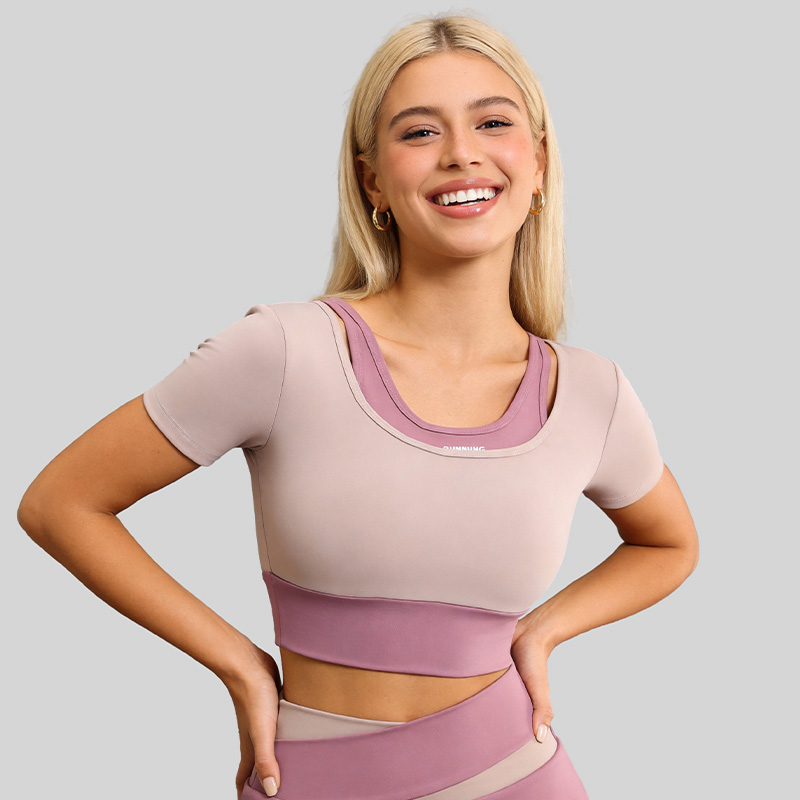
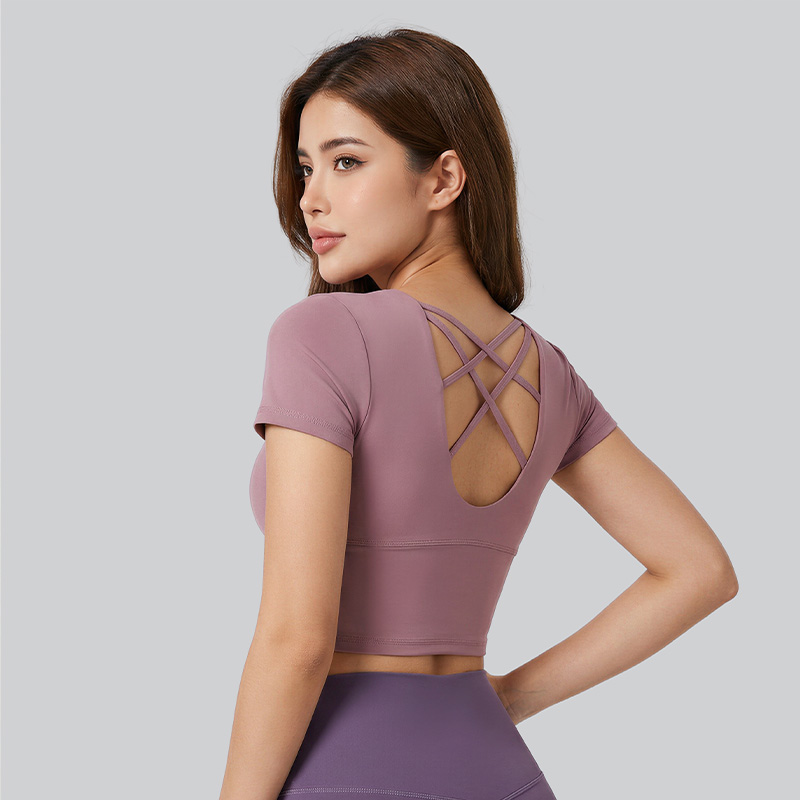
Color blocking, sleeve length options, and neckline choices alter perceived use cases — studio, athleisure, or recovery wear. Necklines that balance coverage and ventilation suit most women, especially when offering a complementary women yoga top short sleeve for warmer classes. Prioritize a graded size chart and sample fittings with instructors; real-world feedback beats assumptions every time.
Common mistakes and how to avoid them
Brands often err by overcomplicating specs, which inflates lead time and cost. Another frequent issue is relying on a single fabric choice for all climates — lightweight, moisture-wicking blends suit hot-flow classes, while a denser knit works better for restorative sessions. Test two fabric weights, get instructor feedback, and order conservative initial quantities. — Remember, a neat prototype can reveal fit issues that specs alone won’t.
Alternatives and hybrid strategies
If full customization feels risky, consider semi-custom approaches: private-label an existing pattern with unique trims, or start with custom branding on a platform’s best-selling shell. This reduces sample cycles while preserving brand identity. Wholesale plus made-to-order options can also balance cash flow and personalization.
Summary and practical takeaway
Comparative evaluation shows customized long-sleeve tops win on differentiation and retention, while off-the-shelf wins on speed and lower cost. The practical path for many businesses is a phased strategy: pilot a custom long-sleeve, complement it with stocked short-sleeve basics, then scale based on instructor and customer data from pilot runs. This approach keeps risk manageable and aligns product decisions with real usage.
Three golden rules for selecting the right long-sleeve strategy
1) Fit first: prioritize accurate grading and instructor-led fit sessions to reduce returns. 2) Fabric by use case: match moisture-wicking, performance knit, or denser knit to the class environment. 3) Scale with evidence: start small, measure sell-through and warranty claims, then increase production. For a manufacturing partner that understands both product engineering and studio realities, consider Joebond.
Reliable results.