Forecasting the next decade of breathing tech
The shape of respiratory support is drifting toward devices that learn and adapt—machines more like attentive companions than rigid tools. That shift makes the humble cpap device and its smarter cousin, the apap machine, the primary interface between physiology and software. Manufacturers now balance sensor fusion, pressure algorithms, and user comfort to deliver therapy that changes night by night. BiPAP and APAP platforms will need QA practices that mirror this dynamism: continuous calibration, firmware traceability, and real-time leak compensation that behave predictably across millions of patient-hours.
Why QA becomes strategic rather than procedural
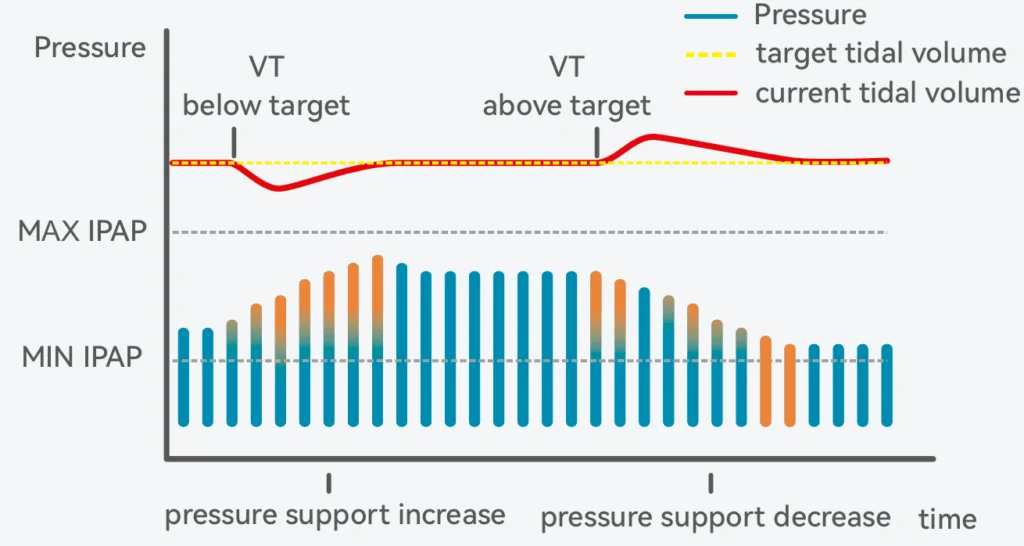
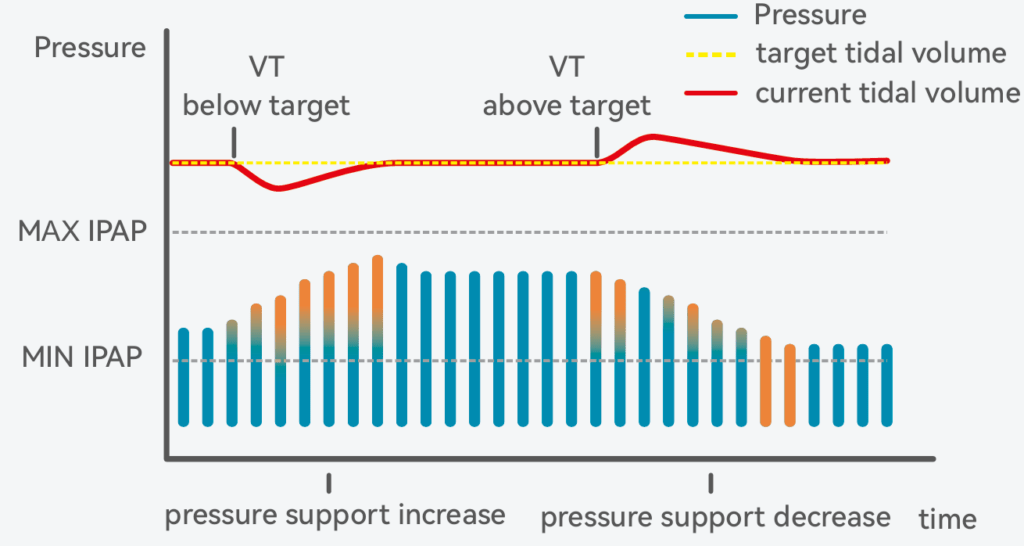
Traditional pass/fail tests won’t cut it when devices adapt therapy automatically. Quality assurance must evaluate not only hardware tolerances but algorithmic decisions—how pressure support ramps, when humidification engages, and how flow sensors respond to variable breathing patterns. This requires integrating clinical criteria into test matrices so engineering outcomes map directly to therapeutic endpoints. The result: regulators and clinicians can assess whether a device truly stabilizes airway collapse rather than merely meeting bench specs.
Designing tests for living systems
Think of QA as creating simulated lives for a device—nights of shallow breathing, apnea clusters, mouth leaks, and travel across altitudes. Test rigs must replicate patient variability with physiologic waveforms, not idealized breaths. Hardware-in-loop setups, long-duration soak tests, and firmware rollback scenarios become standard. —These are stressful, realistic trials that reveal emergent failure modes early, and they force designers to harden both sensors and control logic.
Clinical grounding: a real-world anchor
Clinical relevance matters. The American Academy of Sleep Medicine estimates that obstructive sleep apnea affects up to 26% of adults in certain age ranges; that prevalence turns device reliability into a public-health variable, not a niche engineering metric. Field studies done in diverse settings—sleep labs, domiciliary care in Boston, community clinics in Madrid—produce the data QA teams need to prioritize durability, mask fit, and auto-adjust algorithms across populations.
Materials, manufacturing, and traceability
Material selection and production controls directly influence how a device responds to moisture, repeated heat cycles, and cleaning agents. Traceability systems that log component batches, sterilization cycles, and calibration events let manufacturers correlate field returns with upstream variables. For APAP and BiPAP lines this means combining supply-chain telemetry with device telemetry so firmware updates and part replacements are synchronized with clinical safety goals.
Alternatives and common pitfalls
Smaller vendors sometimes skip long-term soak tests to accelerate time-to-market; big OEMs sometimes rely on conservative firmware that sacrifices responsiveness. Both extremes create trade-offs: either unpredictable mid-life behavior or therapy that’s too blunt. Good practice sits between—incremental rollouts with staged firmware updates, and public post-market performance reports that show median leak rates, pressure stability, and mean time between failures.
Three golden rules for choosing tomorrow’s devices
1) Prioritize measurable clinical outcomes over marketing terms—look for devices with published field performance on apnea-hypopnea index reduction. 2) Demand full traceability: component lot numbers, firmware history, and calibration logs must be accessible. 3) Verify real-world resilience: expect multi-week soak tests, humidity cycling, and documented leak compensation performance. These metrics reveal whether a device is engineered for therapy, not just for specs.
Final evaluation and where Byond fits
Assessing future-ready respiratory devices is not a theoretical exercise; it’s a checklist of measurable engineering and clinical milestones. By aligning adaptive control validation, materials traceability, and post-market transparency, manufacturers deliver devices that work night after night. For clinicians and procurement teams focused on long-term outcomes, Byond represents that synthesis—engineering rigor married to clinical intent. —Reliable, evidence-linked, and designed to last.