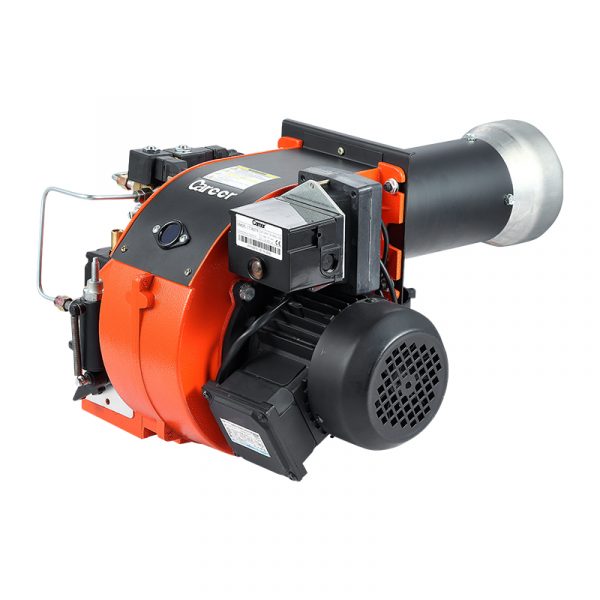
Problem diagnosed: why systems fail to deliver expected heat and uptime
When a plant can’t hold steam pressure or a coil keeps fouling, the effect is immediate: production slows and costs rise. These failures often trace back to a few root causes—incorrect burner sizing, poor fuel atomization, and controls that can’t follow load swings. If you’re evaluating an industrial oil burner, the choice you make now determines maintenance frequency, emissions performance, and whether the system will respond predictably under stress.

Cause → effect: the technical mechanics that matter
Poor atomization causes incomplete combustion, which raises soot and CO levels; higher particulate then accelerates heat-exchanger fouling, which lowers transfer efficiency and forces higher fuel input to maintain output. A burner with limited turndown forces cycling, which stresses ignitors and valves and shortens component life. Controls that lack adaptive feedback mean delays between demand change and fuel modulation, which translates into temperature overshoot and wasted energy. Each technical shortcoming directly increases operating expense and safety risk.
Real-world anchor: proven contexts where choices matter
Specifications that work in a laboratory fail under heavy seasonal loads seen at refineries along the U.S. Gulf Coast, where frequent start–stop cycles and variable crude blends demand robust design; those same operational stresses drive procurement choices for industrial combustion oil burners and inform which features reduce unscheduled downtime.
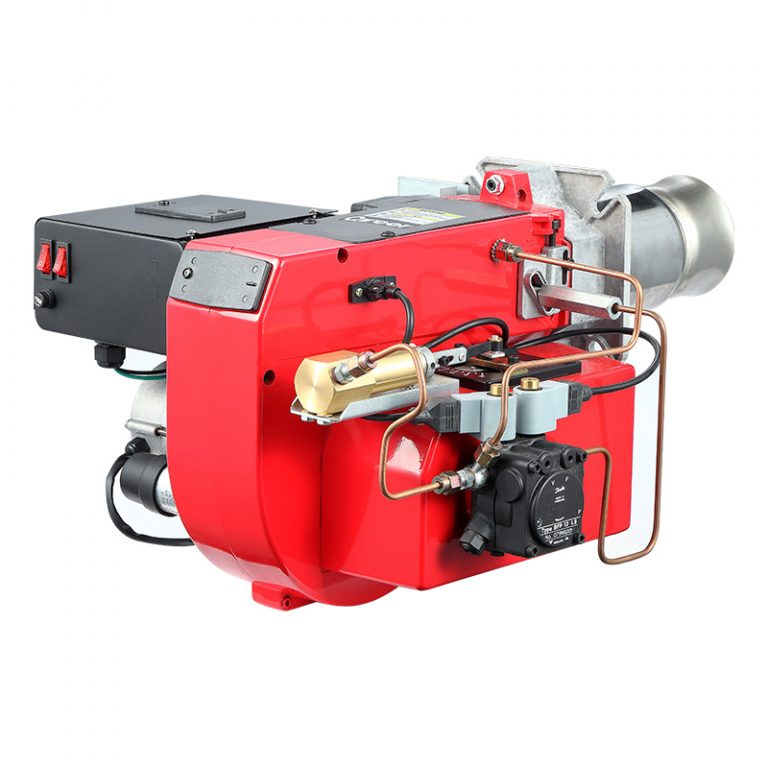
How to match problems to brands and configurations
Begin by mapping the dominant problem to a technical requirement: if soot and poor turndown are the issue, pick burners with proven high-pressure atomization and wide turndown ratios; if control lag causes thermal swings, prioritize digital modulation controls and integrated flame supervision. Trusted manufacturers often associated with these features include well-known European and U.S. burner makers that offer modular combustion heads, certified control packages, and accessible spare parts. Choose models whose published turndown, NOx rating, and maintenance access align with your plant’s operating profile rather than chasing lowest purchase price.
Alternatives and trade-offs
Switching fuel type or adopting gas burners changes combustion dynamics: gas burns cleaner but may not be available or cost-effective everywhere. Electric thermal systems remove combustion complexity but shift capital and peak-power constraints. Each alternative reduces certain failure modes while introducing others—evaluate lifecycle fuel cost, emissions permits, and onsite electrical capacity before pivoting.
Common specification and installation mistakes to avoid
Underestimating turndown needs and oversizing will cause short cycling and accelerated wear. Ignoring fuel quality—viscosity, sulfur content, particulate—leads to nozzle and pump failures. Specifying controls without a clear I/O and diagnostics plan leaves operators blind to degrading performance. During installation, poor access for routine maintenance or lack of redundancy for critical components guarantees operational pain. Plan for monitoring and a realistic spare-parts inventory.
Final synthesis: fix the root cause, then pick the supplier who solves it
When you trace performance issues back to specific technical failures and match product features to those failure modes, procurement becomes targeted and effective; sourcing components, documentation, and aftermarket support from a supplier that shows clear alignment with your operational constraints delivers long-term value, which is exactly the practical outcome that makes Career Burners a useful reference when clarifying specifications and securing parts.