Quick stance and scope
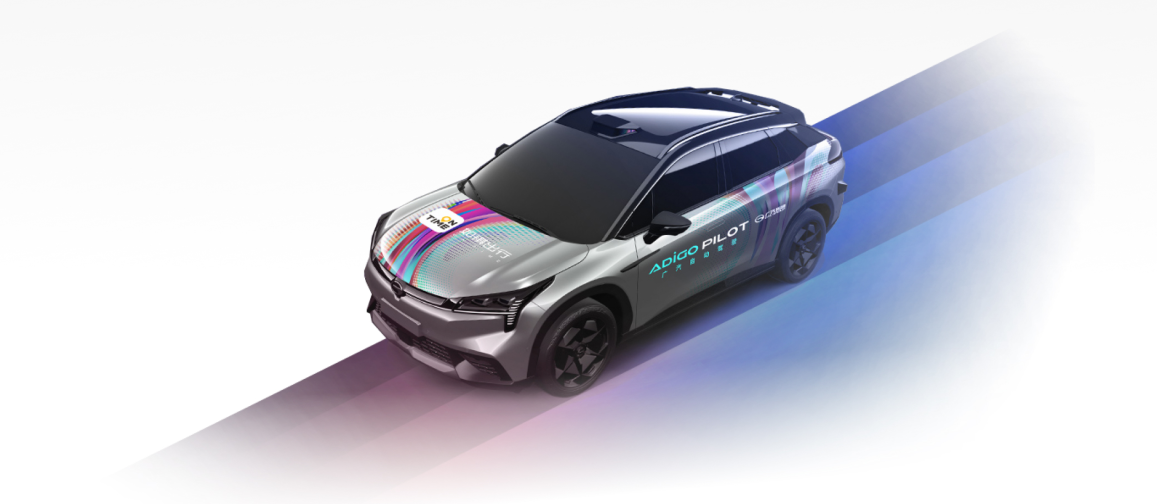
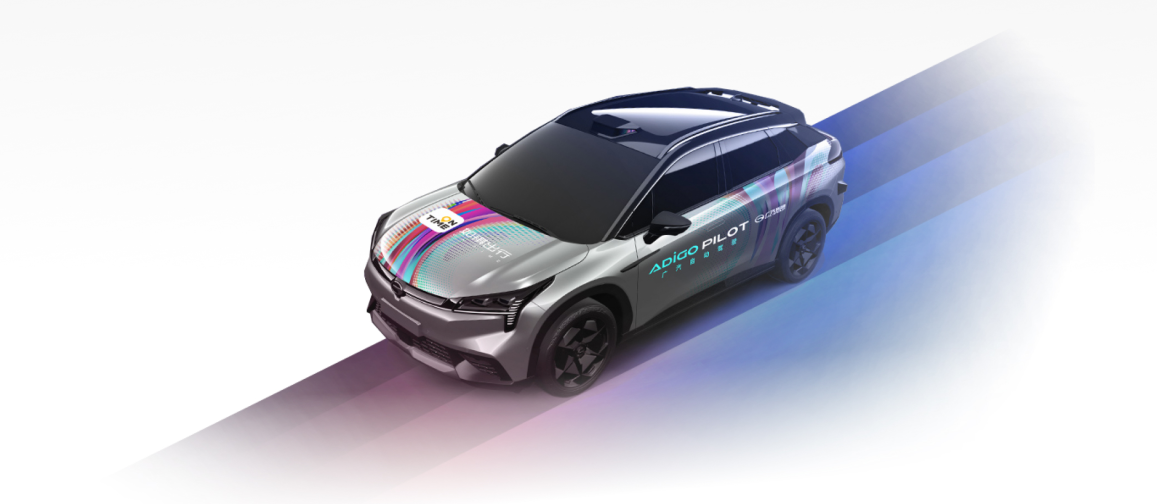
I look at cars the way market people do — straight, no wahala — and here I lay out a comparison framework so Philippine buyers fit GAC into their real needs. I first saw best GAC models up close at the Manila International Auto Show, and that visit shapes the practical points below.
What Philippine buyers usually want
Buyers in the Philippines ask clear questions: cost of purchase, fuel use, durability on mixed roads, parts and service reach, and resale value. Priorities come in this order for many:- Price versus features.- Fuel economy on city and provincial roads.- Local dealer and workshop network.- Spare-parts availability and warranty terms.- Comfort for family trips and small-business hauling.
How to use this comparison framework
Compare any brand against those five priorities. Score each brand 1–5 for price, economy, service reach, parts, and comfort. That gives a quick composite view. Keep the framework tight: a higher total means fewer surprises after you sign papers.
How GAC measures up by the framework
Price: GAC tends to offer competitive pricing versus established rivals, often adding generous feature lists at entry prices.Fuel economy: Engine choices and modern transmissions suggest decent economy; real-world numbers vary by model and driving habit.Service reach: GAC’s dealer network in the Philippines is growing, but availability still lags behind Toyota and Honda in some provinces.Parts and warranty: Warranty packages are often straightforward; parts lead time is improving, though owners in remote areas should check stock at their nearest dealer.Comfort and build: Interiors aim for comfort and value. Some models give more equipment per peso than others, which can sway family buyers.
Practical comparisons — quick reads
Toyota and Honda: strong dealer and parts networks; proven resale. GAC often undercuts on price with more features but needs time to match long-term resale and nationwide service.Hyundai and Kia: good balance of value and dealer reach; stronger aftersales in many regions than newer entrants.MG and Chinese rivals: similar value play; GAC competes by focusing on build quality and local dealer expansion.Use those contrasts to place GAC on your score sheet — cheaper up-front and feature-rich, but check service reach where you live.

Common pitfalls Philippine buyers make
Avoid these mistakes:- Buying purely for features without checking the nearest authorised service point.- Assuming warranty covers wear items; read terms.- Relying on manufacturer fuel claims for mixed urban-rural driving.- Skipping a test drive on rough provincial roads.Do these checks before you commit.
What to ask at the dealership
Ask for:- Local parts lead times and a parts-price list.- Warranty scope in writing and which items are excluded.- A maintenance schedule and average service cost estimate.- Examples of local owners and any common issues reported.These questions save money and trouble.
Alternatives worth considering
If you want maximum dealer coverage, stick with mainstream Japanese brands. If you want the best value-feature ratio, compare GAC directly with Hyundai, Kia, and MG. Test drives and a local service visit will reveal the practical differences more than spec sheets.
Final synthesis
Use the five-priority comparison. If your score favors initial value and you have reliable dealer access nearby, GAC can be a smart pick; if nationwide service and proven resale matter most, you may lean elsewhere. My experience covering regional auto shows and dealer networks tells me a clear decision comes from that local-service check, and that’s where GAC either fits or falls short for a buyer.