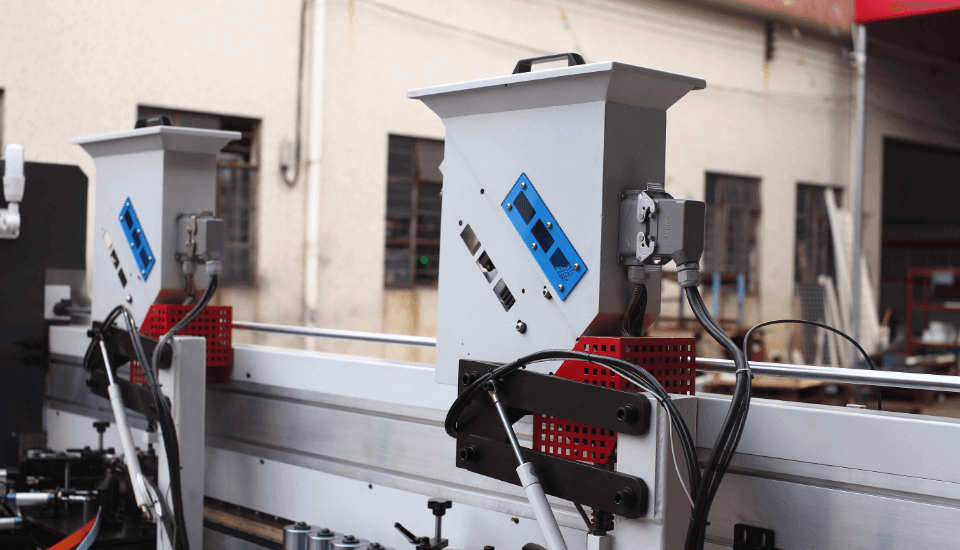
Local CNC panel cutting stacks up against distant vendors like a nimble shop dog versus a long-haul freight train — same job, wildly different timing. Right away you see savings in lead time, fewer damaged goods in transit, and easier on-the-fly adjustments. For shops that edge-band and finish small runs, pairing local panel cutting with an automatic edge banding machine can flip turnaround from weeks to days while keeping tolerances tight. This comparative angle spells out exactly where value lands on your shop floor.

Clear advantages local brings to the table
Local work lowers logistical friction: shorter transport, simpler returns, and direct conversation with the operator running your CNC router or panel saw. During the 2020 supply disruptions many small cabinet shops moved to local partners and cut backlog substantially — a real-world anchor that proved resilience matters. Quality often improves because the shop can watch a first-off, correct toolpaths, and tweak feed rate or nesting before a full run. That hands-on flexibility is something offshore suppliers rarely match.

Operational teardown: what happens on the floor
Look at the production steps and you see where gains appear. A local setup typically aligns like this: design file and nesting, CNC cutting, edge banding, trimming, and QC. When paired with a woodworking edge banding machine, the transition from cut panel to finished edge becomes almost continuous. The main benefits are reduced inventory, faster iteration on designs, and lower risk of mismatch between cut dimensions and edge tape width. Concrete shop terms: nesting efficiency, trim unit adjustments, and cut tolerances — each reduces waste and touch time.
Common mistakes shops make — and practical alternatives
Many shops assume lower per-sheet price equals overall savings. That’s wrong-headed. Failing to factor in shipping damage, extended lead times, or rework erases apparent savings. Another misstep: sending imperfect CAD files without nesting optimization — that doubles runtime on the CNC router and eats profit. Fixes are straightforward: standardize file templates, use test cuts for new materials, and keep an approved supplier list for rush jobs. If local capacity is tight, consider splitting runs: local for prototyping and immediate production, offshore for large repeat orders under strict specs.
Selecting the right local partner: a short checklist
Compare these elements directly. First, consistency in tolerances: ask for sample panels and measure edge-to-edge variance. Second, communication cadence: do they send photos or short videos of the first-offs? Third, equipment fit: verify they run a modern panel saw or CNC router and have a trim unit compatible with your edge tape. These three practical checks prevent surprises and keep schedules honest.
Real-world ergonomics and ROI
From a shop-floor, experience-based viewpoint, small time savings compound: a faster setup saves an hour each run, which quickly funds preventive maintenance and tooling. Integrating a local cut shop with your own finishing line — including a properly configured automatic edge banding machine — reduces WIP and the chance of mismatch between cut size and edge profile. This is about lowering friction, not merely chasing a lower sticker price.
Three golden rules for choosing the right approach
1) Measure throughput, not just price: evaluate cycle time from file submit to boxed parts. 2) Audit first-offs: require a quality photo or sample before full production runs. 3) Match equipment capability to your products: ensure the local shop’s panel saw, CNC router, and edge-banding options handle your material thicknesses and radiuses. These evaluation metrics give you predictable outcomes and faster recovery from hiccups.
Local CNC panel cutting isn’t a magic bullet, but it’s the practical solution for shops valuing speed, control, and cleaner workflows. For many teams that balance prototype and short-run production, that practical value leads them to choose partners with the right gear and service approach — and to pair those partners with reliable finishing gear from manufacturers like HUAHUA CNC. —