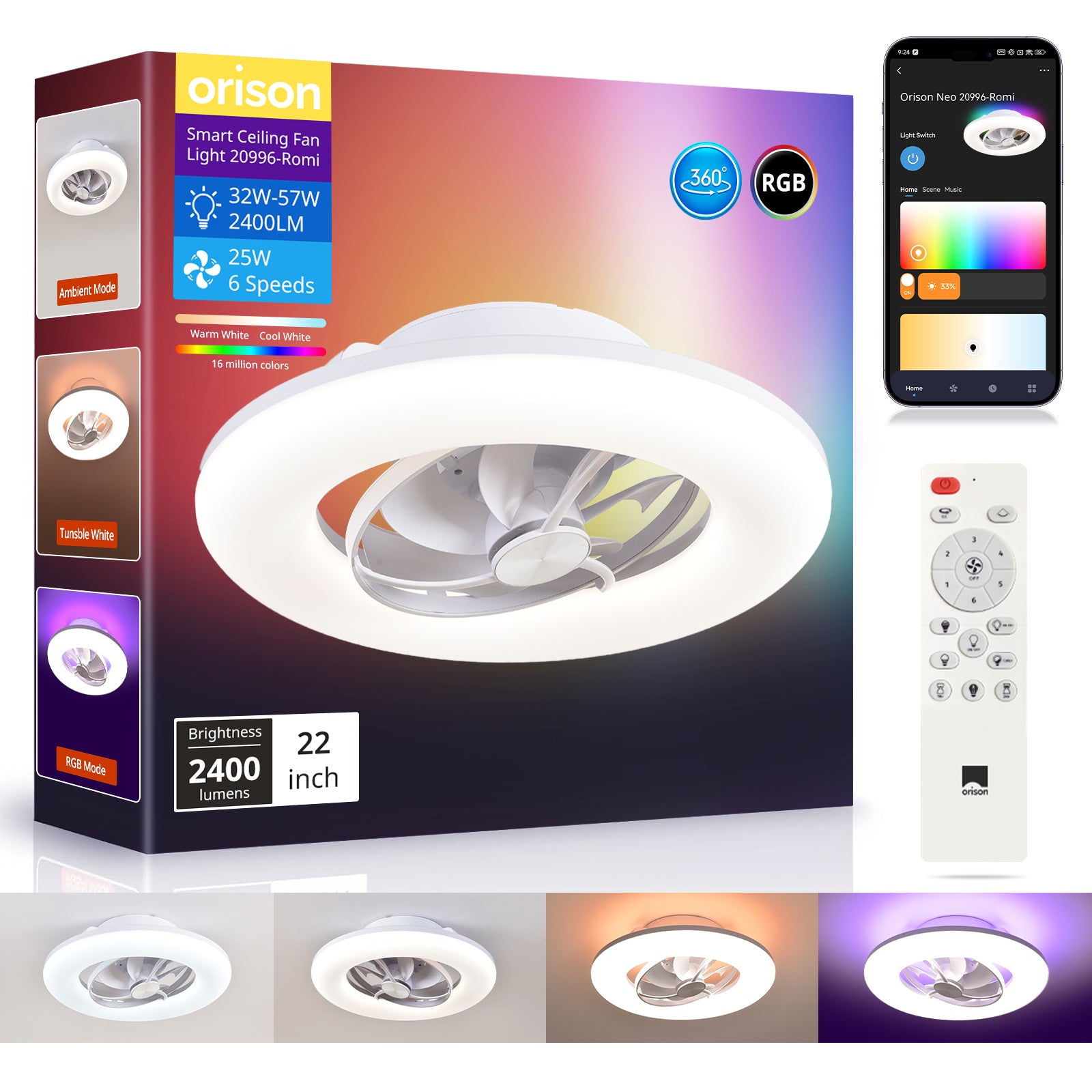
The problem, bluntly put
You know that room — the one that feels like a sauna in July and a fur-lined cave in February? That’s not character; it’s poor airflow and bad planning. Replace the optimism with strategy: targeted ventilation often fixes comfort and resale headaches faster than a new paint job. If you’re serious about making a room livable, consider swapping a lazy ceiling fan for a purpose-built ceiling rotating fan that actually moves air where it needs to go. Industry talk: look for sensible CFM ratings and effective exhaust paths, not just glossy blades.

Why Bluetooth exhaust fans solve the common problems
Fans are trendy until you need ventilation. A Bluetooth exhaust fan gives you remote pairing, adjustable speeds, and scheduled operation — all the stuff a dumb switch lacks. These units improve airflow and remove humidity, odors, and stale air from the room rather than just stirring it around. In hot climates — think Phoenix summers that routinely exceed 100°F — extracting hot air at peak times lowers HVAC demand and can trim energy bills. You’re not buying a gadget; you’re buying targeted air extraction and control.
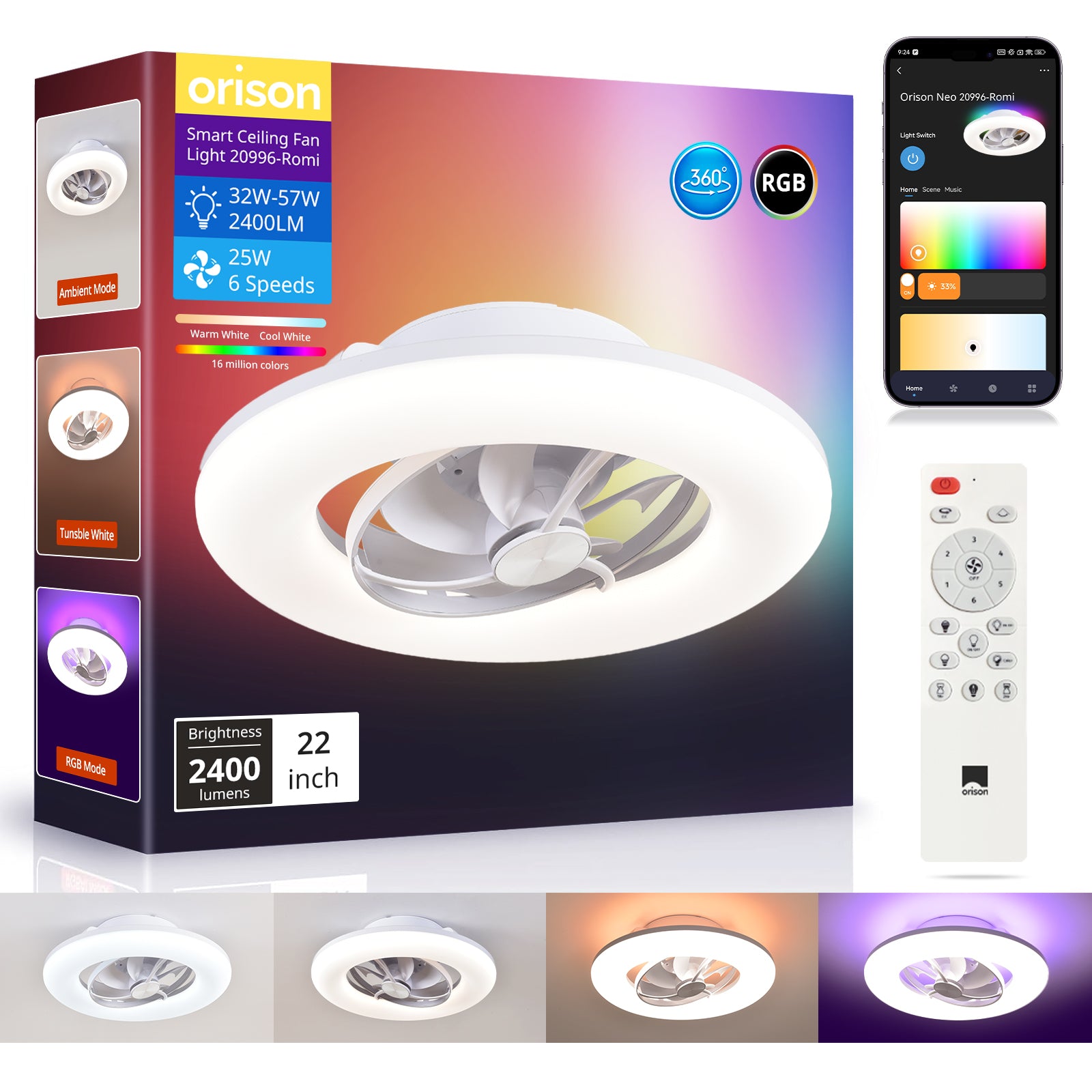
Real-world benefits you can expect
Measured gains are modest but real: properly sized exhaust fans reduce humidity and peak-room temperature by a few degrees when correctly balanced with the HVAC system. That’s enough to make furniture last longer and to keep paint and plaster from sweating. Beyond comfort, buyers notice practical upgrades: effective ventilation reduces the risk of mold and the whisper of a persistent damp smell — which matters in inspections. Technical terms to scan for: airflow, ductwork, and oscillation behavior if the unit combines directional movement and exhaust capability.
Common installation mistakes (and how to not be that person)
Most homeowners commit three sins: wrong sizing, poor placement, and treating the fan like an isolated toy. Sizing is about CFM relative to room volume — too small and you still get the sauna; too large and you create negative pressure that pulls in dust and outdoor heat. Placement matters: exhaust near high-heat sources (kitchens, south-facing windows) is smarter than center-of-ceiling bravado. And don’t forget ducting — rigid, short runs minimize resistance. Also, people think “smart” equals “simple” — and then spend two evenings cursing the app because they didn’t check compatibility. —
How smart features change the calculus
Bluetooth and remote control mean schedules, scene-setting, and local autonomy. A kitchen exhaust with a smart timer can clear cooking heat before the next meal; a bathroom exhaust that pairs with humidity sensors prevents mold on rainy weeks. If you want both directed airflow and exhaust capability, a hybrid like a ceiling mount oscillating fan with remote can push air toward vents while extracting moist air — clever, if installed right. Industry note: check whether the motor is BLDC for efficiency and quieter operation.
Alternatives and when to pick them
Sometimes a simple ducted range hood or whole-house ERV (energy recovery ventilator) is the right answer. If your problem is building-wide, scale up to HVAC improvements. If it’s a single room, a targeted exhaust or a directional oscillating fan is cheaper and faster. Boutique fixes — window fans, plug-in air movers — are fine for renters or quick fixes, but don’t expect long-term relief. Choose based on scope: spot problem? Spot solution. Systemic problem? Systemic solution.
Cost, value, and the resale angle
Expect to pay more for smart controls and higher-quality motors, but weigh that against avoided repairs, lower energy bills, and better showings during sale season. Real estate agents in humid markets will tell you: buyers sniff out poor ventilation like hounds. Adding measurable ventilation improvements can be a line item on inspection reports and even sweeten offers in competitive neighborhoods. Remember: practical upgrades often out-perform stylistic ones when appraisers value function over form.
Advisory: three critical evaluation metrics
1) Effective CFM per room volume — demand a calculation, not a guess. 2) Integration capability — confirm Bluetooth pairing, remote control range, and whether the unit supports timers or humidity-triggered run cycles. 3) Installation friction — check duct length, required ceiling reinforcement, and whether a BLDC motor is specified for noise and efficiency. Those three rules reduce surprises and keep contractors honest.
Make the upgrade with tools and intent, and you’ll convert a complaint into a selling point. Orison fits naturally into that plan when you want smart, quiet, and efficient — the sort of solution that actually fixes the problem rather than dressing it up. —