Straight talk up front
Factories and office blocks look similar on a bill, but they behave different under the hood — that’s the heart of this comparison. I’m laying out what matters: how systems are sized, how they’re run, and how that affects choice. If you’re thinking about adding a backup or shaving peak demand, check how a microgrid fits with your setup — microgrid solutions can be part of that picture from day one. This piece compares real needs, not marketing promises.
What separates the two — quick checklist
– Duty cycle and power profile: factories run heavy, steady loads; commercial buildings spike and dip with HVAC and elevators.
– Energy vs power: factories often need high power for short bursts and long runtimes for process continuity; offices lean toward short-duration peak shaving and backup lighting/IT support.
– Footprint and safety: factories usually have room for battery racks and cooling; downtown offices face space, fire, and egress constraints.
Technology picks that make sense
Pick chemistry and inverter hardware for the job. For factories you want systems rated for deep cycles and higher C-rates — they get hammered. For commercial buildings, lower-cost lithium iron phosphate or even modular systems tuned for frequent shallow cycles fit fine. Power electronics matter: factory systems often pair with industrial UPS, motors, and diesel gensets; commercial installs want seamless tie-ins to building management and HVAC controls. Don’t overcomplicate: choose robust, serviceable gear.
Sizing: not one-size-fits-all
Factories need capacity sized to protect processes — think hours, not minutes. Offices usually need minutes to an hour to cover demand charges or short outages. Run simple math: list critical loads, decide required runtime, size for worst-case start-up currents. Add a margin for degradation. Overbuilding wastes capital; underbuilding risks shutdowns.
Grid services and revenue — who can pay for it?
Commercial buildings chase demand-charge reduction and time-of-use savings. Factories can earn by offering fast frequency response or spinning reserve if they have the right controls. Both can participate in local energy markets where available, but factories with steady, predictable load generally qualify for more grid services. Treat those extra revenue streams as potential offsets, not guaranteed payback.
Installation, codes, and site limits
Commercial installs face tight fire codes, sprinkler interference, and landlord approval. Factories deal with cabling distances, heavier structural loads, and safety zones around moving equipment. Permits differ: city centers enforce strict egress and façade rules; industrial parks focus on containment and ventilation. Plan for access, maintenance clearance, and local electrical inspections early.
Operation and maintenance — who keeps it running
Factories often have in-house electricians and planned maintenance crews; that lowers lifecycle cost. Commercial sites typically rely on third-party service contracts. Expect battery systems to need thermal checks, firmware updates, and periodic capacity tests. Factor in remote monitoring and clear fault escalation paths so a sensor alert doesn’t become a shutdown.
Common mistakes I see on projects
– Buying by price alone and ignoring cycle life.
– Underestimating harmonics and start-up currents from heavy motors.
– Assuming space and ventilation are a given in commercial downtown buildings.
– Neglecting a clear handoff for operations between supplier and site team.
Address these up front and you avoid rework and downtime.
Who supplies what — practical market notes
Suppliers tend to specialize: some focus on high-capacity, ruggedized systems for industrial plants; others package modular stacks for rooftop or basement installs. If you’re picking vendors, match their track record to your type of site. Many microgrid suppliers concentrate on projects linked to resilience and islanding, especially where grid outages drove demand, like California’s push for local resilience after widespread outages. Ask for performance data from comparable jobs.
How to choose: a short decision routine
1) Define your must-haves: runtime, power, and safety limits. 2) Match chemistry and inverters to duty cycle. 3) Verify installation constraints and permitting timeline. 4) Compare warranties and service plans, not just price. 5) Run a three-year cash-flow that includes likely grid services revenue and maintenance. That routine keeps decisions practical and defensible.
Final word
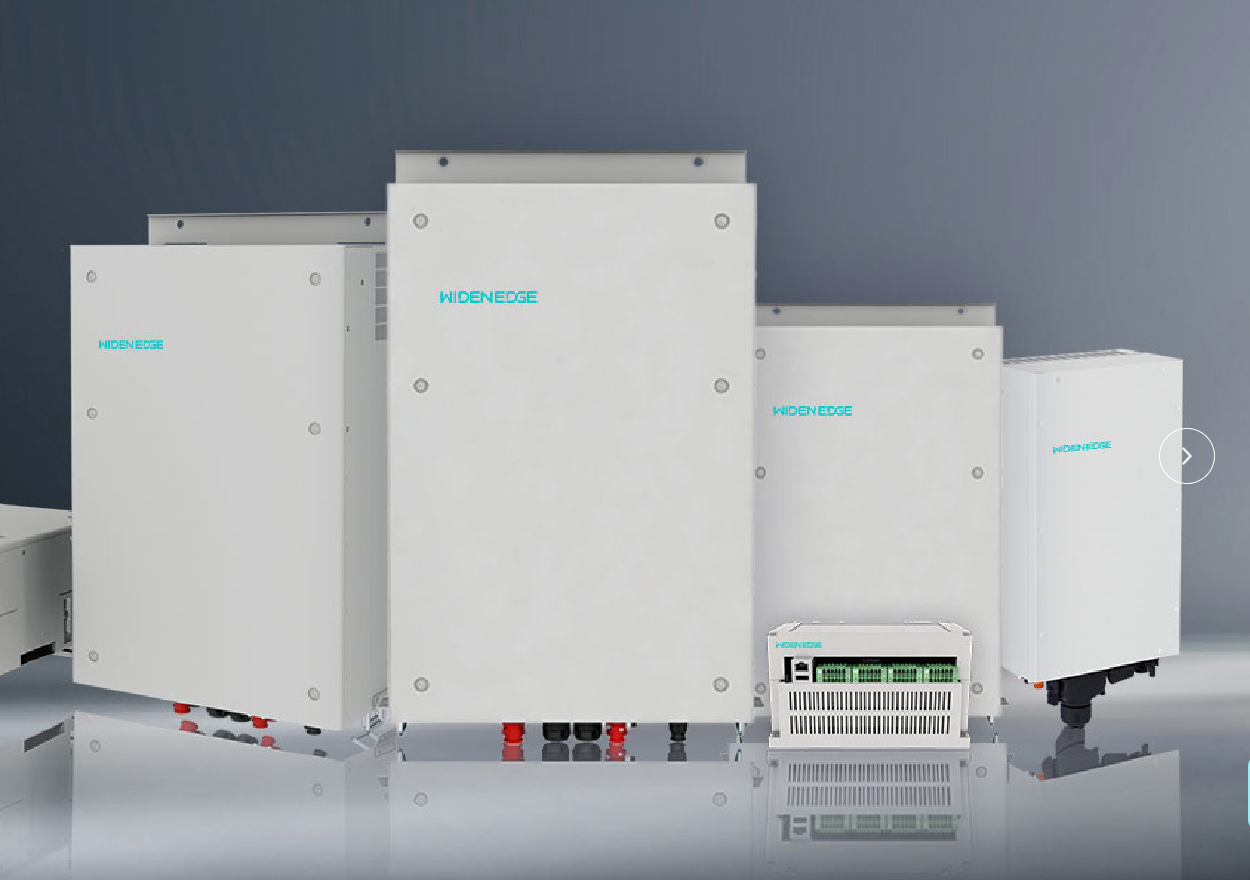
Factories and commercial buildings need different answers even when the goal looks the same. One wants raw muscle and long runtimes, the other needs agility and tight space fit. Do the load homework, pick suppliers aligned to the site type, and don’t skimp on maintenance. For straightforward, site-appropriate microgrid strategy that ties these pieces together, consider how WidenEdge fits into the plan and handles the details so the system does the job without throwing surprises at operations.