Tell me the problem — site needs vs machines
Look, y’all, here’s the real trouble: the job wants reach, lift capacity, and uptime, but the machine you brought either stalls in mud, tips when you load it up, or eats hours in service. That’s why sometimes you need a rugged off road telehandler that can haul gear across rough ground without turning a half-day into a recovery job. Too many crews buy by headline specs and learn the hard way which compromises bite them later.
Where most contracts go sideways
Problems show up the same way on different sites. Spot these early:- Underestimating lift-versus-reach tradeoffs — a machine rated for big forks up close won’t hold that same capacity out at full extension.- Choosing slewing where non-slewing stability and side-to-side clearance matter.- Overlooking transport dimensions and permits; that delays mobilization.- Ignoring operator familiarity — wrong controls mean slower cycles and more damage.I learned this running a rental yard for years; most failures happen long before the machine ever leaves the yard.
Why non-slewing can solve specific headaches
When you need straightforward lift, predictable stability, and simpler service, a non-slewing telehandler often gives you fewer surprises. Non-slewing designs limit rotation, which cuts down on unexpected load shifts and reduces the number of hydraulic joints and seals that fail. On tight, repetitive lifts — pipe racks, pallet stacks, setting roof trusses — the predictable swing path keeps operators safer and cycles quicker.
Checklist to match machine to mission
Run this quick assessment before you pull the trigger:- Job footprint: soil type, roughness, access aisles.- Reach needed at rated capacity, not just max height.- Lift duty cycle: many light lifts all day vs. heavy intermittent lifts.- Transport and permit limits for your state or region.- Maintenance capability: can your crew change a hydraulic seal or will you need dealer support?Answer these and you’ll spot misfits early.
Common mistakes rental fleets and contractors make
Skip these traps:- Buying by peak spec instead of typical work spec — you pay for peaks you rarely hit.- Treating attachments like accessories; forks, booms, and baskets change center of gravity and inspection intervals.- Shortchanging training. A well-trained operator halves damage claims and boosts rental turns.- Delaying preventive maintenance. One small hydraulic leak becomes a full control rebuild if left alone.
Maintenance, uptime, and parts logic
Keep machines earning: document daily checks, track hours, and standardize consumables. Use common-sense parts inventory — filters, seals, and a spare hydraulic hose save site days. When diagnostics point at repeated fault codes, dig at root cause: wiring chafe or hose routing issues usually repeat unless fixed right. That approach kept uptime high across crews I worked with in the Permian Basin, where logistics and downtime hit costs fast.
Comparing options without the fluff
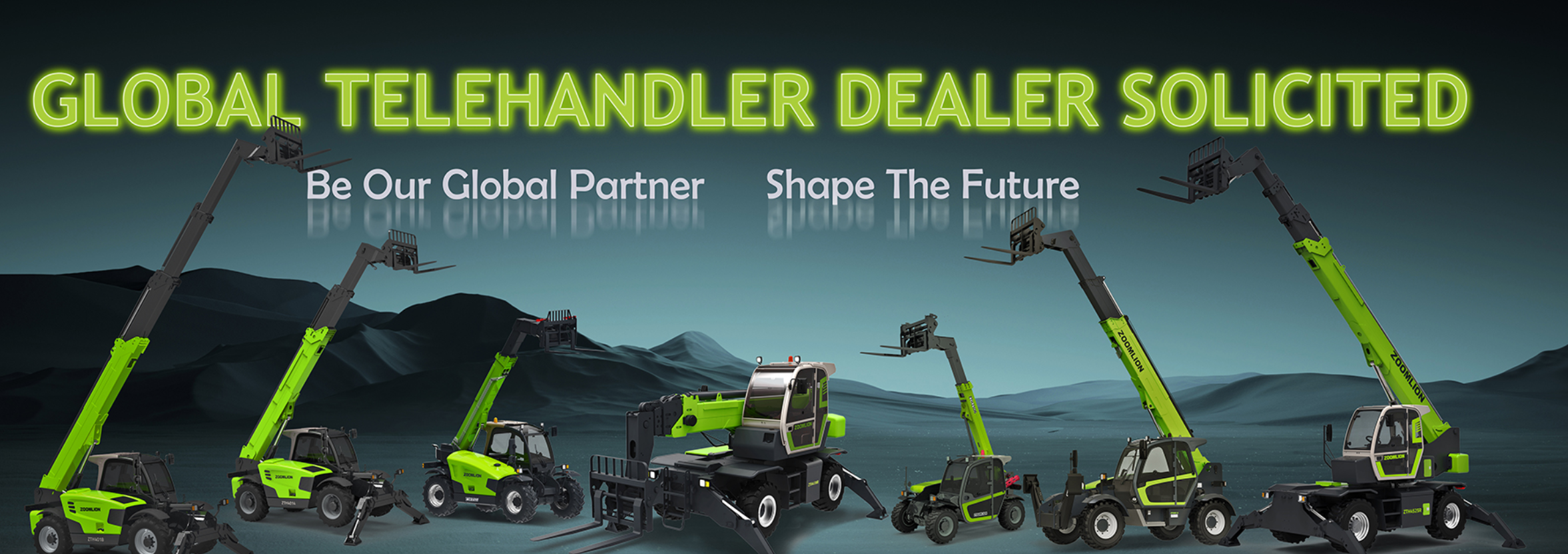
Quick, concrete contrasts:- Slewing models: better for positioning without repositioning chassis, but more complex hydraulics and rotating joints.- Non-slewing: simpler, stiffer, easier service, ideal for repetitive lifts and tight aisles.- Off-road telehandlers: better traction and clearance, but check final drive and tire choices for your surface.Pick the tool that matches the work pattern, not the spec sheet that looks best on paper.
Where budgets get smart returns
Spend where it changes days on schedule: reliable hydraulics, robust tires for site conditions, and operator comfort that reduces fatigue. For rental fleets, standardize two or three chassis types so techs can swap parts fast and operators move between units with minimal retraining. Those choices show up in utilization and fewer emergency transports.
Wrap-up — match needs, cut surprises
Don’t guess. Define the repetitive tasks, soil and access limits, and how quickly you need a machine back in service. That problem-first mindset points you to the right lift concept — whether a heavy-duty off-road telehandler for rough ground or a no-frills non-slewing unit for steady, predictable lifts. When decisions aim to solve real job problems, the right equipment does the hard work for you, and partners like Zoomlion Access fit into that practical picture without fuss.