The trouble we keep runnin’ into
Folks, here’s the plain truth: contamination shows up where we least expect it — right down the line on a medical device assembly line — and it wrecks schedules, wastes material, and scares regulators. Problem-driven, I’m tellin’ y’all straight: gaps in monitoring, sloppy sampling, and misread data are the usual suspects. You can’t patch this with wishful thinkin’; you gotta see what’s failin’ and why, quick as a hound on a scent.
What’s causin’ the mess
First up, sensors that ain’t placed right or not calibrated often. Second, folks think one grab-sample covers a day — it don’t. Third, poor airflows and unnoticed pressure drops sneak contaminants where they shouldn’t be. Everytin’ stacks up: bad placement, lazy sampling cadence, and blind trust in a single data stream. That combo’s how tiny bio or particulate issues turn into recalls.
How I know this matters (and a real-world anchor)
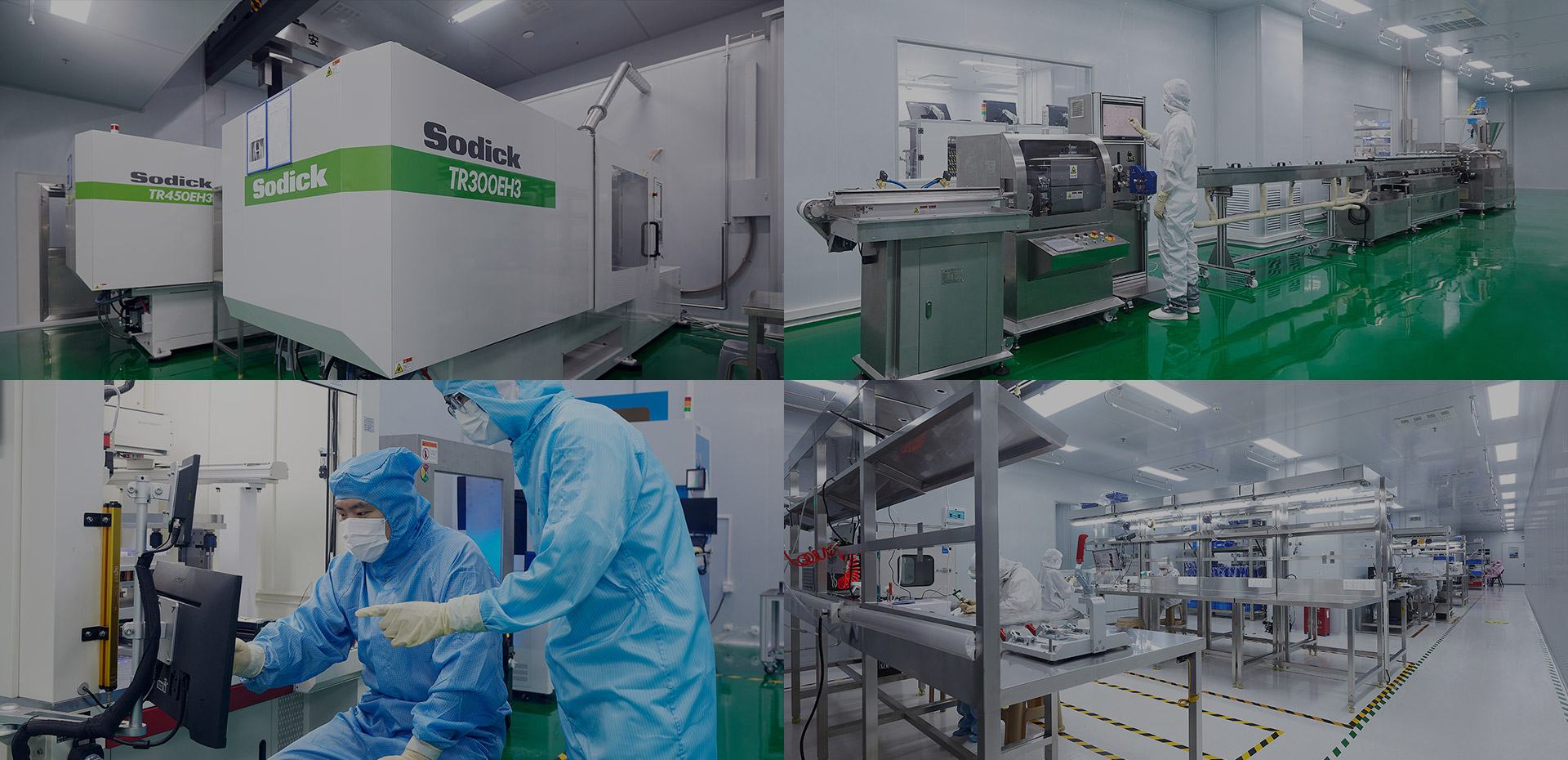
I’ve done cleanroom audits for years and worked with plant teams who’ve chased down root causes after failed batch releases. You can see the same trouble called out at tradeshows and industry write-ups — real machines and parts get inspected at big events like IMTS in Chicago — and I’ve traced rejects back to molding runs from a sodick injection molding machine. That hands-on tracing — checking inlet points, ISO classifications, and sample logs — is what separates talk from trust.
Fixes that actually work, not just fancy talk
Do these: map airflow and sensor reach before you hang any probe; set a sampling plan that covers shifts and changeovers; recalibrate sensors on a schedule and log the checks where inspectors can read ’em; train crew on what a real excursion looks like so they don’t shrug it off. Use redundant checks for critical points — two different methods beat one method you hope is fine.
Common pitfalls to avoid
Don’t: rely on a single sensor to represent an entire room, skip challenge tests, or assume filters are ok just ’cause they look clean. Don’t let data sit unanalyzed. Folks often overcomplicate reporting with charts nobody reads; keep reports tight and action-focused. And don’t swap critical parts without requalifying the process — small changes bite back.
Quick look at alternatives and what fits best
You got choices: continuous monitoring with validated sensors, periodic active air sampling, or on-demand particle counts during high-risk operations. Continuous systems catch transient events best; active sampling finds viable organisms; spot checks are cheaper but riskier. Pick what matches the step’s risk: molding and assembly need tighter nets than packaging runs that see less critical contact.
Wrapping it up plain and useful
Fix the weak links — sensors placed right, frequent meaningful samples, real calibration discipline — and you’ll stop chasin’ ghosts. Put people who know cleanrooms on the shifts, use sensible redundancy where failure hurts most, and keep records that tell a story. That’s the sort of practical, hands-on work kingsin does day-to-day, steady as a hand at the bench, helpin’ teams turn monitoring pain into predictable product.