

Opening comparison and evaluation logic
I compare LED walls to conventional options by measuring six concrete variables: pixel density, visible brightness (nits), power draw (W/m²), installation time (hours per m²), expected usable lifetime (hours), and cost per effective pixel. For a quick visual, an indoor led screen with 2.5 mm pitch will show higher perceived resolution at short sight-lines than a same-size LCD video wall with bezels. The Comparative Insight approach below ranks trade-offs numerically and highlights where each technology makes the most sense.
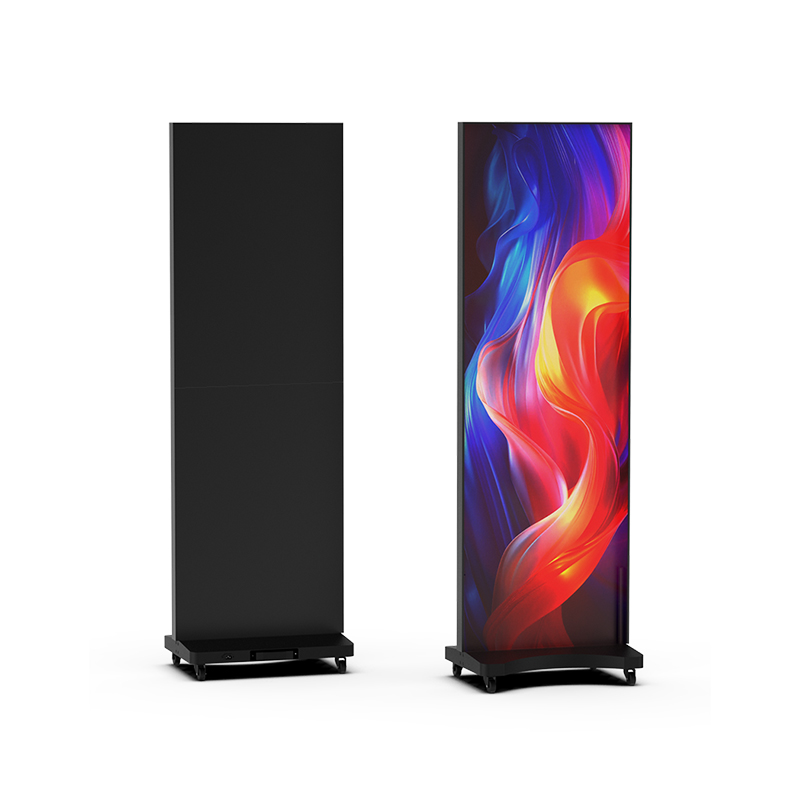
Core metrics — numbers that decide choice
Pixel density: LED pitch drives native resolution. Small-pitch indoor LED (0.9–2.5 mm) delivers fine detail for 1–5 m viewing; larger outdoor LED (6–16 mm) suits 10–50 m viewing. Brightness: indoor LEDs typically operate 600–1,500 nits; outdoor LED modules push 5,000–8,000 nits for daylight legibility. Power draw: expect average consumption around 150–350 W/m² depending on brightness and content duty cycle; LCD video walls average lower steady draw but require climate control and backlight power. Lifespan and failure modes: LEDs are specified 50,000–100,000 hours to half-brightness; LCD backlights and electronics degrade differently and often need full-panel replacement sooner. Refresh and broadcast: LED walls with refresh ≥3,000 Hz avoid banding on camera; many consumer LCDs fall short. Cost-efficiency: on a per-effective-pixel basis at close distances, high-density LED walls are typically 1.5–3× the upfront capital of comparable bezel-free LCD solutions, but maintenance and modular repairability narrow lifecycle costs over 5–7 years.

Where traditional alternatives score better
LCD video walls hold an advantage when front-of-house budgets are tight and viewing distance is moderate (5–20 m), because of lower initial purchase price for large-format, medium-resolution walls and readily available off-the-shelf cabinets. Projectors remain competitive for very large, static imagery on light surfaces if ambient light is controlled; they lose in color saturation and contrast under daylight. OLED offers excellent contrast and color but currently scales poorly and costs spike for sizes beyond 100 inches, making OLED impractical for most billboard or stadium use. Common mistake: matching technology to peak marketing imagery instead of typical content—overinvesting in 1 mm pitch LED for content that’s mostly 1080p video is wasteful.
Sourcing credibility and a real-world anchor
Manufacturing clusters shape quality variance and supply reliability; Shenzhen is a globally recognized center for LED module production and testing, which affects unit tolerances, component traceability, and lead times—see how manufacturing standards map to product performance at a representative led display factory. When I vet suppliers I request measured spectral response, per-module power curves, and thermal rise charts; those data points expose whether a quoted brightness is sustainable or an overdriven spec that shortens lifetime.
Common pitfalls during selection and installation
People underestimate mounting and calibration costs. Modules require thermal planning: plan for 10–20% higher cooling demand in enclosed spaces. Ignore pixel pitch math and you’ll buy a wall that looks soft at intended viewing distance. Another error is optimizing solely for peak nits; that often forces unnecessary power and reduces contrast control at night. For broadcast environments confirm refresh rate and scan method; otherwise you’ll see camera flicker. Operationally, prioritize suppliers who provide per-module spares and diagnostic tools—those reduce downtime and service hours.
Decision heuristics and a concise recommendation
Match metric ranges to use cases: choose ≤2.5 mm pitch for indoor environments with near viewing (<5 m); choose ≥6 mm for distant outdoor signage. If upfront budget is constrained but viewing distance is moderate, pick LCD video walls; if seamless scale, high brightness, or irregular form factors matter, pick LED. For mixed needs, modular LED panels reduce long-term service cost because you replace modules, not panels. The practical value comes from measured trade-offs and verified factory documentation; that’s why smart teams weigh effective pixels per dollar, sustainable nits per W, and mean time to repair when making procurement decisions.
Bottom-line synthesis
Compare the metrics, not marketing: LED walls excel where fine-grain control, high brightness, and seamless scaling matter; traditional displays win when budget and standardization matter. Match your performance thresholds to the numbers above, require supplier test data, and you’ll choose a solution that meets operational goals and lifecycle cost targets—this is the same selection logic I apply when assessing partners such as HDC.
