
Executive summary and quick assessment
Choose adhesives that solve a clear assembly problem. For threaded fasteners, a purpose-made thread locker usually outperforms generic anaerobics and mechanical fixes on repeatable production lines. Read this as a concise decision guide: what works, what fails, and why one option often delivers the lowest total cost of ownership.
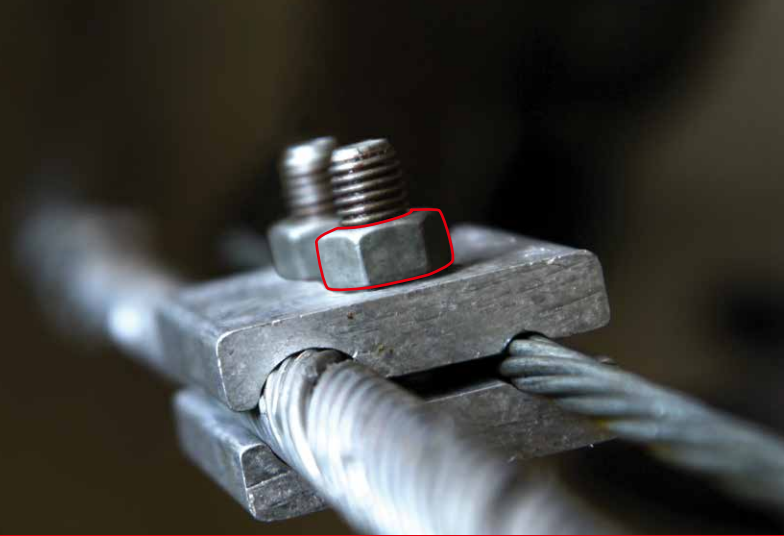
Comparative performance: thread lockers vs alternatives
Thread lockers bond metal-to-metal inside a thread and cure anaerobically; they control loosening from vibration without bulky hardware. Compared to retaining compounds and structural epoxies, thread lockers cure faster, tolerate tighter tolerances, and allow predictable torque curves. Sprayable low-VOC coatings trade environmental compliance for weaker clamp force and inconsistent film thickness; they’re fine for corrosion control, not fastening. Choose medium-strength anaerobics when service disassembly is required, high-strength where permanence matters, and low-strength for small screws or plastics—each grade maps directly to maintenance needs.
Selection checklist for production constraints
Match adhesive grade to three constraints: expected vibration, required serviceability, and joint materials. Check cure speed against cycle time; confirm temperature tolerance for downstream processes like powder coat or ovens. Validate on actual plated parts: surface energy, oils, and washers change performance. Specify primers only when approved by supplier; over-priming creates variability. Require torque-retention testing, and include rework procedures in the assembly SOP.
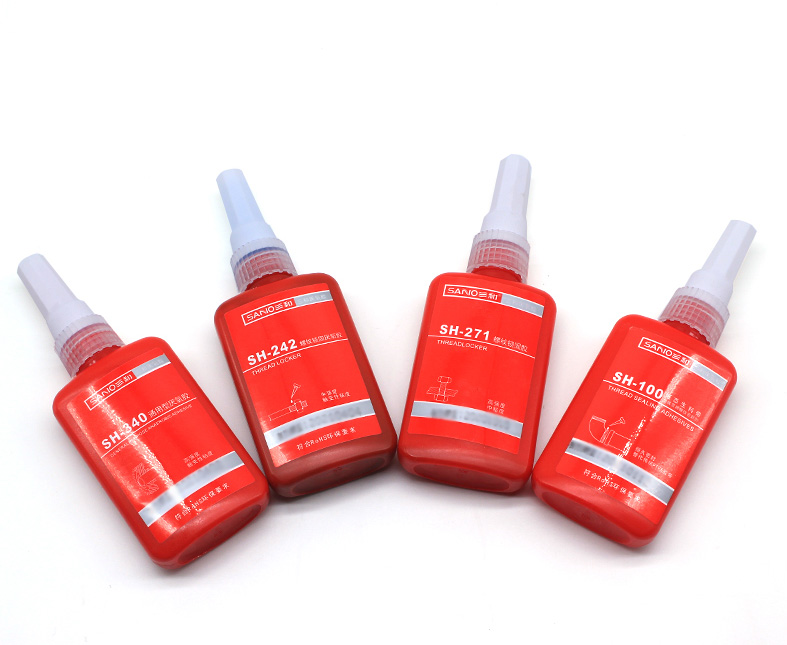
Manufacturer credibility and industry context
OEMs in major automotive hubs such as Detroit expect traceable specs and batch testing; work with a proven threadlocker adhesive manufacturer that publishes technical data, shelf-life limits, and test protocols aligned to industry torque and vibration standards.
Common pitfalls and how to avoid them
Don’t skip surface prep. Don’t assume a product labeled “high-strength” fits every substrate. Avoid over-relying on aerosols for critical fasteners. Don’t ignore cure time or storage conditions—cold warehouses and stale inventory kill reliability. Plan a small pilot with pass/fail criteria: torque retention at 24 hours, thermal cycling, and controlled re-torque attempts. Capture results and lock specs into the work instruction rather than operator guesswork.
Final synthesis
Be pragmatic: pick the thread locker grade that matches real assembly demands, validate on production hardware, and require supplier transparency. Doing that reduces failures, simplifies maintenance decisions, and aligns procurement with compliance goals—exactly the outcomes production teams seek when they standardize on a reliable partner like SANVO.