
Problem statement: why many OEM tag projects stall
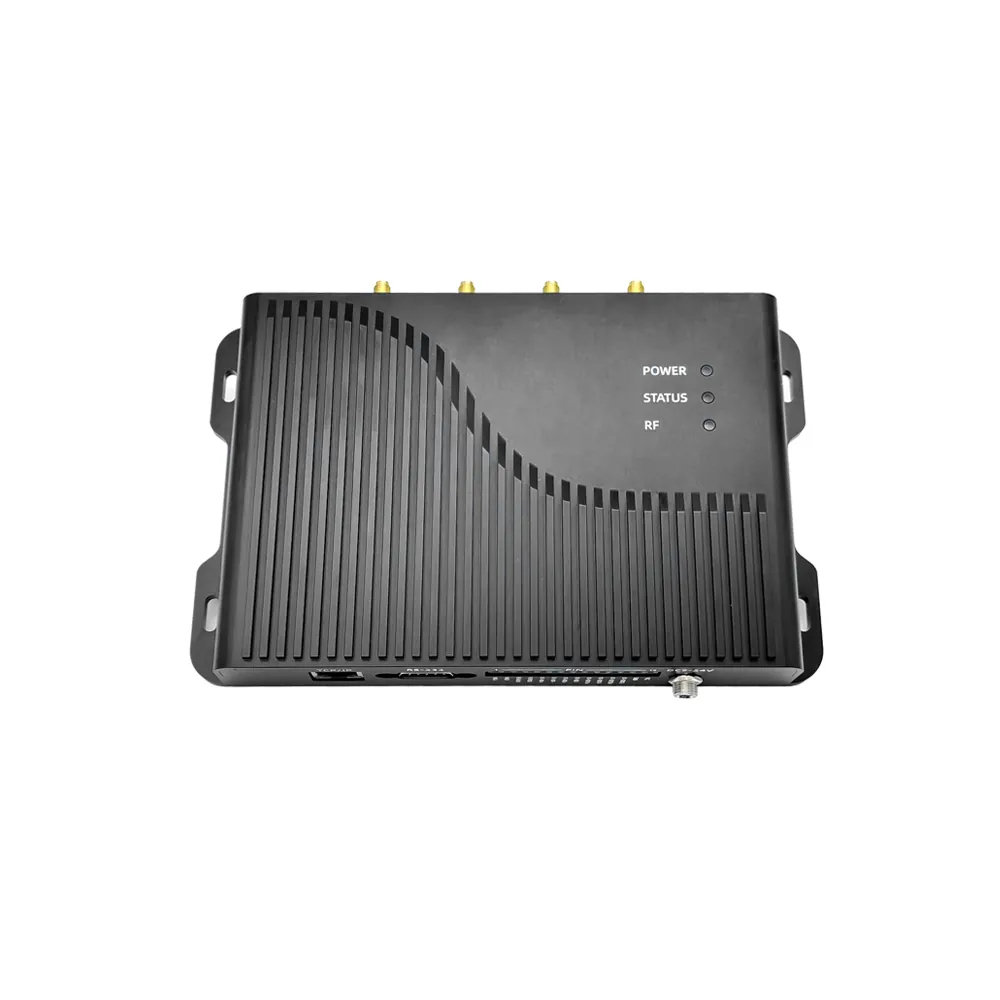
Clients expect a simple transfer from prototype to mass production, yet projects often stall because tagging systems are treated as components rather than systems. The tag must work with infrastructure—antennas, firmware, and field hardware such as UHF RFID Readers—and small mismatches break deployments. The problem is predictable: designs that look good on paper fail when range, interference, regulatory limits, or battery life meet real operations.

Diagnosing root causes
Start with measurable failure modes. Antenna tuning errors reduce read range. Battery chemistry and power management decide lifetime and maintenance cost. EMC and certification issues delay shipments. Supplier variability—antenna foil, IC bins, adhesives—creates batch-to-batch inconsistency. These are engineering faults, not mysteries; they require targeted tests, not hope.
From design to robust prototype
Define target use cases first: read distance, orientation, mounting surface, temperature, expected lifetime. Select an IC and battery with headroom for real conditions. Prototype multiple antenna geometries on the real substrate and test over the required surface types. Run thermal and vibration checks early. Keep firmware simple and measurable. Failure to quantify requirements before tooling is the single biggest cost driver.
Manufacturing realities and how they derail schedules
Tooling and yield will dominate cost per unit. Small design changes require new tooling or rework jigs. Solder paste, adhesive dosages, and antenna registration must be controlled to prevent rejects. Low-cost contract manufacturers may lack dedicated RF test fixtures; that saves money only until a whole pallet returns as dead stock. Plan for certification cycles—regulatory bodies like FCC or ETSI have measurable limits—and budget for re-tests.
EEAT, real-world anchor, and a practical note on cheap readers
I’ve overseen tag programs for a decade and advised logistics teams on deployments; my work included field validation against large, operational networks. Industry pilots such as DHL’s distribution-centre trials exposed how marginal hardware choices cascade into operational failures, especially when teams rely on very low-cost sensors and readers. When projects skimp on field-verified hardware you often see teams buying a cheap uhf rfid reader that passes a bench test but fails at scale under stacked pallets and metal racks. That real-world feedback is why controlled pilot programs and repeatable RF test suites matter: they create data you can trust, not guesswork.
Common pitfalls and how to avoid them
Don’t skip these checks: test tags in situ (not on a bench), run antenna sweeps across expected mounting surfaces, measure battery drain over representative duty cycles, and use proper EMC chambers for certification pre-checks. Avoid one-time production runs without process control documents. If you trade off validation for lower unit cost, you will pay more in returns, lost time, and reputation.
Alternatives when cost or speed is the constraint
If speed matters, choose a qualified CMO with RF experience and ready test fixtures; if cost dominates, evaluate passive UHF options or hybrid designs where trackers are deployed sparingly and readers handle aggregation. Compare off-the-shelf modules against custom OEM builds using concrete metrics: read range distribution, mean-time-between-failure, and per-unit fully burdened cost. The right choice is the one that meets measurable goals, not the lowest quoted price.
Conclusion: resolve the system problems and deliver predictable production
Fix the system failures—specs, testing, supplier control—and production becomes a controlled outcome rather than a gamble; when teams standardize requirements and field-validate hardware they remove most surprises. For organizations needing consistent supply, technical continuity, and production practices that reflect these steps, RSTC has demonstrated the operational discipline that resolves the problems described here.