Practical Framework for Evaluating Sink Manufacturers
Why a simple framework saves time
Think of this as a toolbelt you actually want to use: a clear set of checkpoints that helps you pick a manufacturer without the faff. Start by laying out what you need — whether it’s a compact wash-up for a tiny apartment or a heavy-duty kitchen sink — then match suppliers to those needs. If you’re after a small stainless steel sink, that requirement changes how you weigh material, finish, and lead times. Keep it tight, keep it measurable, and you’ll avoid chasing suppliers who don’t fit your brief.

Core components of the evaluation framework
Break the assessment into five straightforward parts: specifications, materials & tests, production capability, compliance & documentation, and after-sales support. Use a simple scoring sheet — 1 to 5 for each part — and give higher weight to the pieces that matter most for your project. That structure forces objective comparisons instead of gut-based choices.

What to check for specifications
Ask for exact drawings and tolerances rather than glossy photos. Confirm bowl dimensions, mounting style, and whether the sink supports accessories you expect (drainers, clips, sound-deadening). Verify packaging size and palletisation rules if you’re importing. Small errors in spec sheets are where most later headaches start.
Materials, finishing and testing — what’s non-negotiable
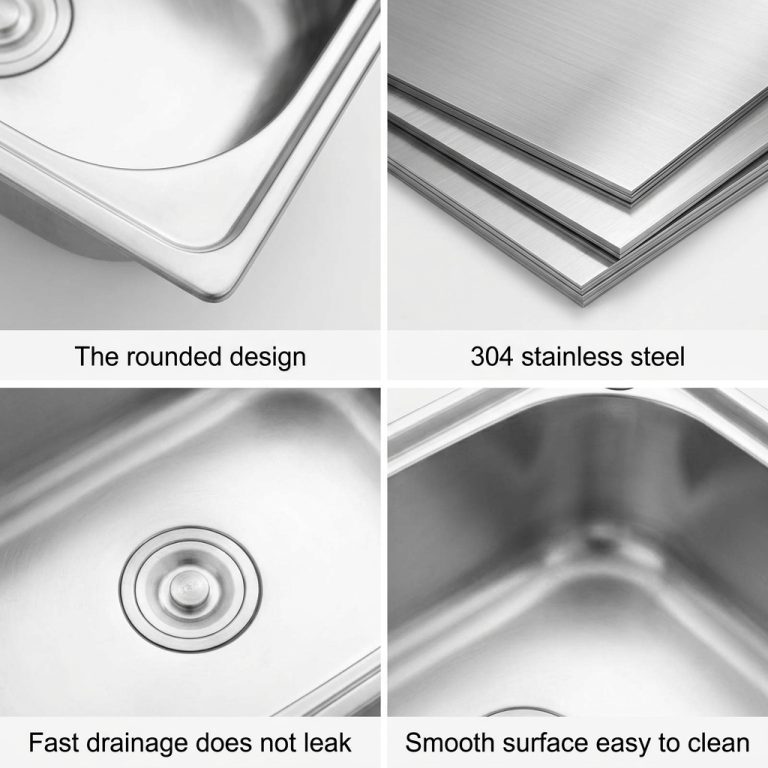
Stainless grade, thickness, and finish define longevity. For compact basins you want consistent gauge and a satin finish that hides wear. Demand evidence of punch, weld, and finish tests. Corrosion resistance tests and scratch-resistance checks are useful; if a supplier can’t show routine batch tests, treat that as a red flag.
Real-world experience, expert signals and technical anchor
I’ve reviewed factory test reports and compared field performance data over multiple projects, and one reliable technical anchor is the common specification of AISI 304 as the stainless choice for kitchen basins — it’s widely referenced in industry guides and lab tests. For a quick supplier check, see how their small sink stainless steel samples match published corrosion and thickness figures; the data tells you more than marketing photos.
Production capability and lead-time realities
Look beyond the headline capacity figure. Ask how many identical run pieces they manufacture per week, the number of dedicated presses and weld stations, and typical changeover times. Short lead times with spotty consistency are worse than slightly longer but reliable runs. Schedule a video tour or sample run to confirm claims.
Compliance, paperwork and traceability
Insist on mill certificates for stainless material, batch test records, and finished-product inspection reports. Traceability matters when problems pop up months later. If they can’t map material batches to finished parts, you’ll spend extra time and money chasing fixes.
After-sales support and warranty checks
Warranties mean nothing unless the process works when you need it. Clarify how warranty claims are handled, who pays for return freight, and expected turnaround for replacements. Test their responsiveness during the evaluation: send an innocuous query and note the speed and quality of the reply.
Common pitfalls people make
Relying on showroom photos, accepting vague test claims, and skipping a small production sample are the usual culprits. Another mistake is equating low price with optimal value; cheap sinks often hide thinner gauges, poor welds, or inconsistent finishes that cost more over a few months. Don’t skip a tactile inspection of a sample.
Alternatives and quick comparative notes
If stainless steel isn’t the only option you’re considering, evaluate composite and ceramic alternatives on these same criteria: durability tests, thermal shock resistance, and long-term maintenance. Composite options can be lighter and offer different aesthetics, but they age differently and often need different mounting systems. Compare them side-by-side using the same scoring framework to keep choices fair.
How to run a short evaluation trial
Pick two shortlisted manufacturers, order full-spec samples, and run a three-point check: install ease, finish under normal use, and edge/chip behaviour after gentle impact. Time-box the trial to two weeks and record results against your scoring sheet. That short cycle gives a realistic snapshot without dragging the decision out.
Wrap-up
Use this framework to focus your questions and cut through fluff. Keep checks factual, insist on material certificates and batch tests, and don’t skip a hands-on sample. Over time you’ll spot reliable makers by consistent detail work rather than sales lines, and that approach leads you to suppliers like AOGLAN that align with practical, testable standards.