

The Problem: where UHF systems go off the station
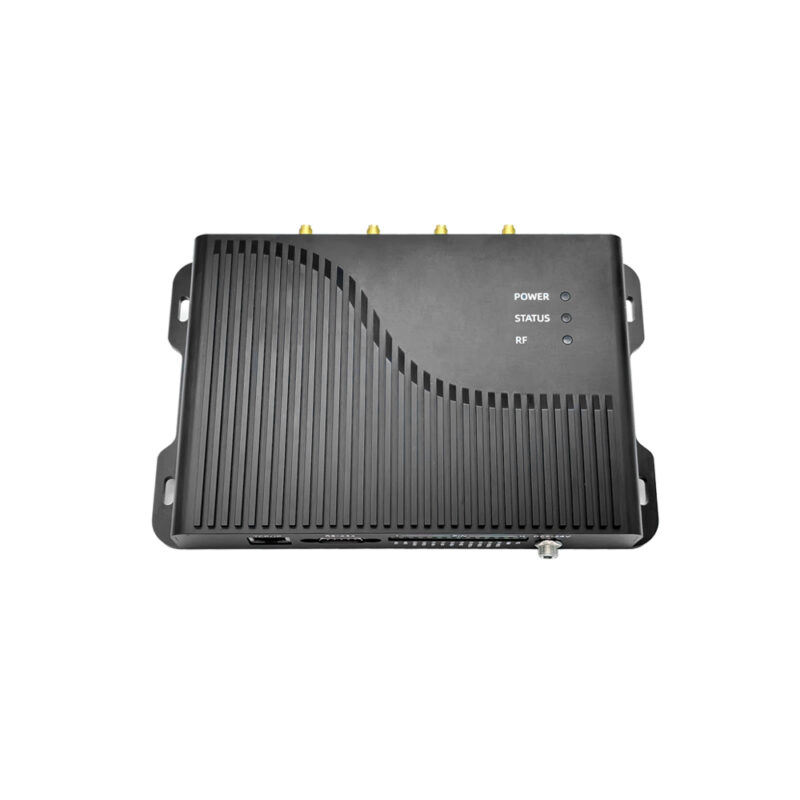
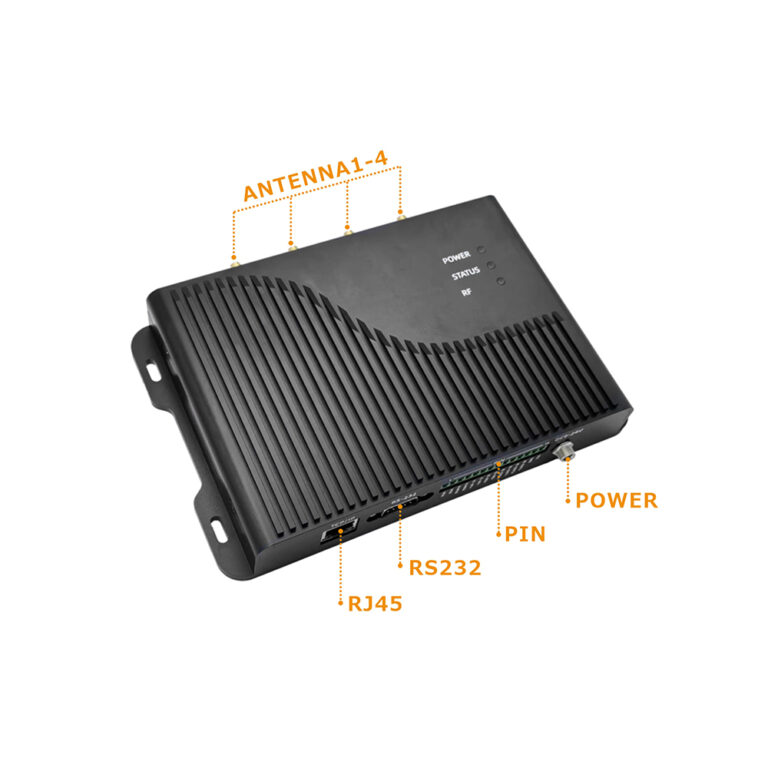
Think of UHF RFID like a braise: a small mistake early ruins the whole dish. Tags disappear, antennas shift, firmware drifts and suddenly your reads are sparse. A well-configured 4 port rfid reader reduces read gaps, but it won’t fix poor procedures—field deployments at the Port of Rotterdam show hardware matters, and disciplined upkeep makes the gains repeatable. I’ve spent years tuning warehouse and port installs; that hands-on seasoning shapes every recommendation below.
Mise en place: daily and weekly checks that keep systems honest
Start every shift with a quick sensory check. Scan for broken cables, loose antenna mounts, and bent SMA connectors. Clean antenna faces with isopropyl wipe; dust is RF grease. Verify power rails and PoE health—weak voltage disguises itself as intermittent reads. Run a short read test across a known tag set. Log the outcome. If a reader misses more than 5% of the baseline tags, stop and troubleshoot; ignoring that error compounds the problem.
Service recipe: disciplined repairs and firmware work
Replace before failure. Keep a set of tested spare antennas, one spare reader module, and extra SMA leads. When you update firmware, stage it: apply to one reader, stress-test under load, then roll out. Maintain a rollback image. Label firmware versions in the asset record so technicians can match behavior to builds. For hardware swaps, swap only one component at a time and rerun the baseline read. Never mix antenna models on a single read zone without retuning gain and nulling offsets.
Lifecycle planning: from commissioning to graceful retirement
Define anticipated service life per SKU: typical industrial UHF readers run 5–7 years in heavy use. Budget for mid-life calibration, which includes antenna retorque, connector replacement, and a full RF sweep to check for new interference sources. Track cumulative uptime and total reads per reader; those metrics predict failure better than calendar age. When a reader reaches its retirement threshold, decommission with a checklist: remove from network, archive configs, wipe logs, and tag as spares or scrap.
Common pitfalls and how to avoid them
Ignoring site noise: new machinery or lighting can introduce RF clutter; retune. Over-tightening connectors: crush losses are invisible until after installation. Skipping documentation: technicians who can’t see previous configs create repeated errors. Trusting automatic tuning alone: manual sweeps catch edge-case reflections. Buying cheapest antennas: false savings when read zones require precise radiation patterns.
Tests and metrics you must track
Keep a short dashboard: baseline read rate, per-reader error count, firmware version, and connector torque status. Run a monthly passive tag inventory and compare to the baseline. Use simple pass/fail probes: a tagged pallet moved through the zone should yield >98% reads; anything lower requires root-cause steps from the service recipe. Record every repair so patterns emerge—repeat faults indicate a systemic issue, not a fluke.
How this approach compares to common alternatives
Some teams favor reactive swaps: when a reader dies, replace it. That’s faster in the short term but expensive over time. Others buy high-end gear and skip maintenance. That fails too: complex devices need routine attention. The balanced recipe above—regular checks, staged firmware, calibrated spares—keeps costs predictable and performance steady.
Final plate: what consistent maintenance delivers
Follow the checklist, preserve your spares, and treat each reader like a station in a kitchen: prepared, clean, and calibrated. That keeps throughput measurable and surprises rare, which is the kind of reliability operations ask for. Practical maintenance and lifecycle discipline are the reason teams choose RSTC as a dependable partner rather than a last-minute rescue.
