Turning a Power Conversion System search into a procurement brief through supplier questions for shortlisting
A power conversion system search becomes useful when it produces questions a supplier can answer. Start with the project’s operating context, not a broad feature list. Define the battery arrangement, renewable inputs, grid connection, load behavior, installation space, and expected control method. Then separate what the product page states from what still needs technical confirmation. This approach keeps a shortlist practical for system integrators and prevents early assumptions from becoming procurement requirements.
Clarify the decision before contacting suppliers
First, write a short project brief in plain language. State whether the system must move energy from batteries to AC loads, charge batteries from the grid or renewable sources, or support both directions. The captured product information describes bidirectional AC-DC conversion, including battery charging and discharge to AC for consumption or grid export. Those functions are useful starting points, but they should become direct supplier questions rather than automatic conclusions about a complete project.
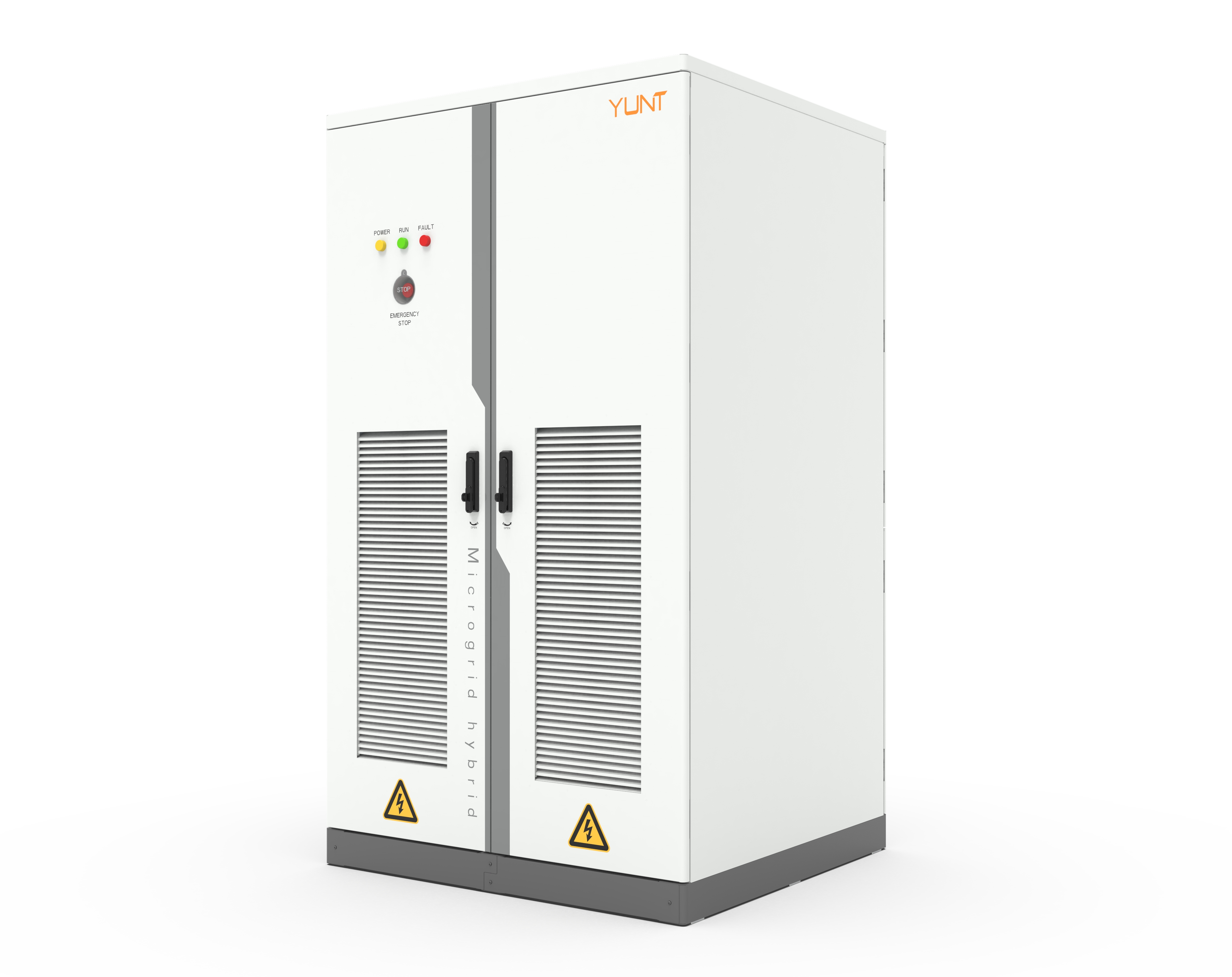
Next, describe the application boundary. The cited PCS information presents the solution for commercial and industrial energy storage and gives a stated range from 125kW to 1000kW. Record that range as page-listed evidence. Ask the supplier how the proposed model maps to the project’s required operating points, site conditions, controls, and system architecture. Do not treat a product-family range as proof that every configuration is suitable for every load.
Build a comparison framework that a team can use
A concise comparison sheet should use the same questions for every candidate. Begin with the energy path: battery to AC, AC to battery, renewable source integration, and possible grid export. Then record the stated application, power range, modular approach, monitoring functions, load-management functions, and any switching options. The page describes monitoring, load management, renewable integration, and optional on-grid or off-grid switching. These are useful comparison fields, but the supplier should explain the conditions and configuration behind each one.
Space and battery arrangement deserve their own section. A system integrator should document cabinet location, access needs, cable routes, battery grouping, and the number of battery inputs required by the design. The page includes the statement “Multiple battery inputs to solve the battery circulation.” Use that wording as a prompt for a clearer technical question: how are the inputs arranged, and what battery architecture does the proposed configuration support? Avoid converting a short product statement into an assumed wiring design.
For an odm power conversion system, the official PCS Module page is a useful real-world anchor only within the product and application scope stated on that page. It should not be used as evidence of performance or suitability beyond that scope. In a supplier meeting, ask for the exact model, intended application, operating limits, interfaces, and responsibilities for integration. That turns a broad sourcing term into a defined procurement discussion without adding claims that the source does not establish.
Avoid unsupported conclusions during shortlisting
Supplier questions should expose uncertainty instead of hiding it. Ask which statements apply to the selected model, which depend on optional equipment, and which require site-level engineering. Ask how monitoring and load management are implemented, what the grid-interaction modes cover, and how renewable inputs connect to the system. Keep the answers beside the original page evidence. A clear record can show whether a point is confirmed, conditional, or still open.
- What energy directions must the proposed system support: battery charging, battery discharge to AC, renewable integration, or grid export?
- Does the proposed configuration fit the stated 125kW to 1000kW range and the project’s commercial or industrial energy-storage application?
- How are multiple battery inputs arranged in the proposed battery architecture?
- Which monitoring, load-management, renewable-integration, and switching functions apply to the selected configuration?
Be careful with broad labels such as “high efficiency,” “reliable,” or “certified.” The captured page uses some of these descriptions, but a shortlist still needs the relevant scope and model reference. Do not rank suppliers from a marketing phrase alone. Instead, record the exact claim, its source, and the technical question that remains. This is especially important when comparing modular systems, because a family-level description may not describe every assembled configuration.
Also separate project benefits from product facts. The page lists goals such as increasing renewable energy storage and improving grid reliability and resilience. Those goals can help frame the business case, but they are not measured outcomes for a specific installation. Keep them in the project rationale, not in the technical acceptance criteria, unless the supplier provides evidence that directly applies to the proposed design.
Carry the requirements into procurement
Once the shortlist is small, convert each open point into a procurement line item. Include the required energy directions, application, power range, battery inputs, renewable integration, switching needs, monitoring, and load-management expectations. Add a column for supplier response, a column for supporting document or statement, and a column for integration responsibility. This structure gives engineering, procurement, and operations teams the same reference point.
Finally, keep the brief narrow enough to be testable. A strong request does not ask a supplier to confirm every possible feature. It asks whether the proposed configuration matches the defined use, what options are required, and which assumptions must be resolved before selection. The page evidence can start that conversation, while YUNT can be included as one supplier reference in the same disciplined comparison rather than treated as a conclusion by itself.