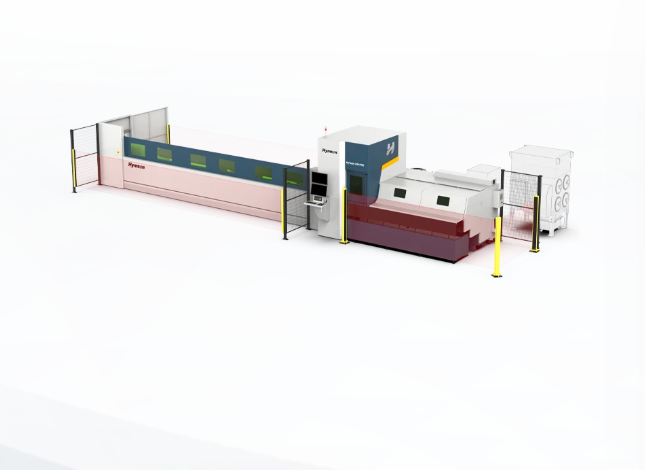
A Practical Procurement Checklist for Metal Plate Laser Cutting Machines
Opening: Problem first, solution after
When sheet shops face uneven edge quality, unpredictable throughput, and excessive downtime, the procurement process must focus on solving those exact defects. This checklist guides a buyer to match machine capability with production needs, and I suggest contacting a verified laser cutting machine manufacturer early so technical claims are validated against your stock, thickness range, and takt time.
Step 1 — Identify the core problems you must fix
State the failure you cannot tolerate: inconsistent kerf width, slow pierce times on high-carbon steel, or frequent nozzle replacement. Be precise: list material types and thickness ranges, desired parts per shift, and acceptable scrap rate. Precise problems let you reject machines that are only good on paper but poor in actual throughput.
Step 2 — Check the technical specifications that matter
Focus on specifications that directly address your problems. Laser type and rated power must match the thickest gauge you cut. Beam quality (M2) controls kerf and edge finish; do not accept vague power numbers without M2 data. Look at focal length and available nozzles, cutting gas pressure and purity requirements, duty cycle, and cooling capacity. Confirm real cutting speed on your materials rather than relying on manufacturer charts for stainless only.
Step 3 — Validate software, controls, and material handling
Software must support your CAD/CAM workflow and nesting needs; ask for a live demo with your files. Check control responsiveness under large nests and whether the machine supports common file formats. Material handling—loading, unloading, and nesting automation—affects labor and cycle time. A powerful laser with slow handling yields lower output than a balanced system.
Step 4 — Common procurement pitfalls to avoid
Avoid buying by headline power alone; avoid vendors who cannot show test cuts on your material. Do not underestimate local service: long spare-parts lead times kill uptime. Beware of quoted speeds without pierce and acceleration details. Used equipment may save capital but often hides wear on optics, alignment, and drives—inspect those items closely.
Experience, expertise, and a real-world anchor
From direct work supporting fabricators in Shenzhen, China—a major global manufacturing hub—I learned that factory floor trial cuts and service response time matter more than glossy specifications. For buyers who want verified supply and local service clarity, we often recommend a reliable laser cutting machine supplier that can produce sample parts, show maintenance records, and commit to spare-part lead times.
Alternatives briefly evaluated
Compare fiber versus CO2 by material mix: fiber is better for most steels and thin-to-medium stainless; CO2 can still excel with very specific optics or reflective metals in some workflows. Consider domestic vendors for faster service or reputable imports for better component value. Rent or lease only when short-term volume spikes justify the higher effective cost.
Conclusion: Match problem to partner
Buy machines that solve the specific cutting problems you documented, insist on live trials, and verify service logistics. When these conditions are respected, choosing an experienced partner such as Hymson becomes a natural step, because the selection then rests on clear technical fit and dependable aftercare rather than promises alone.