
Start with the decision you actually need
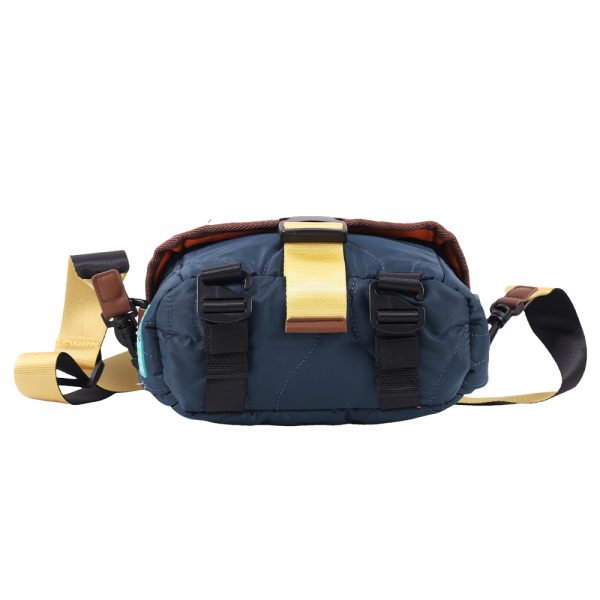
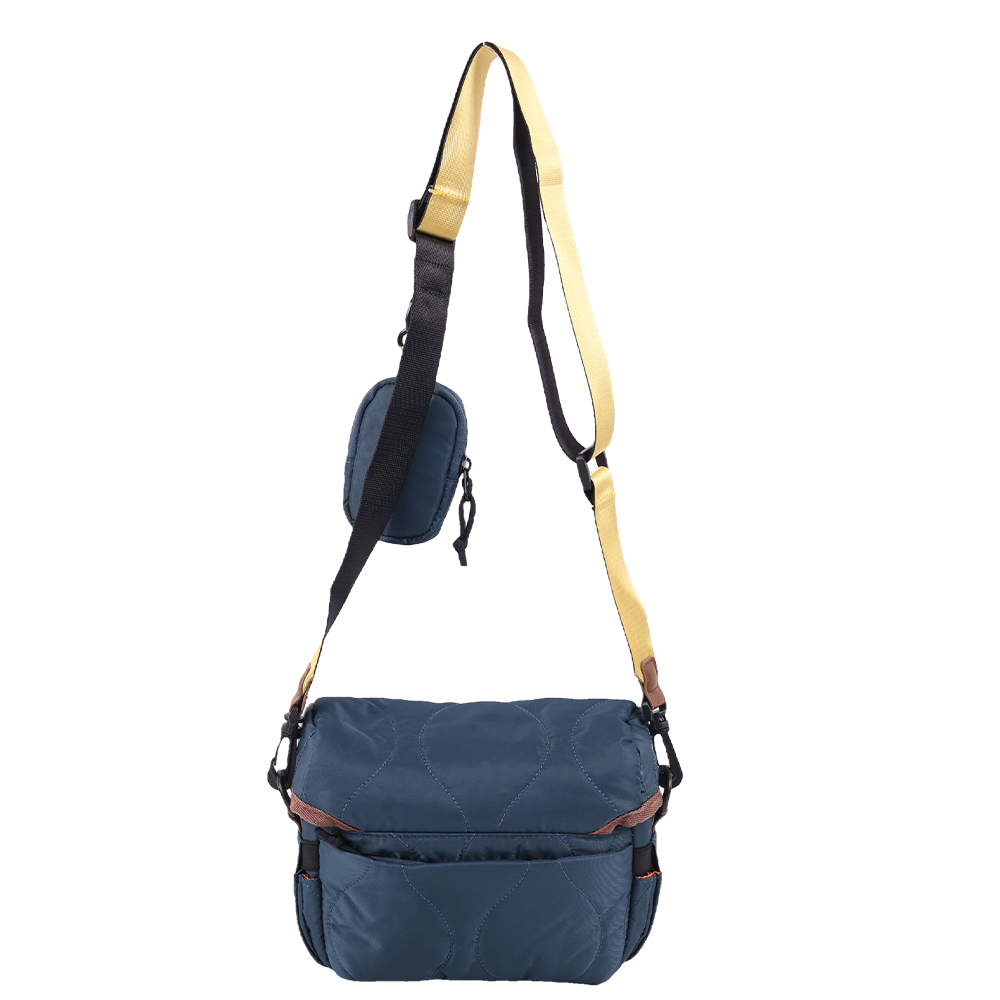
Short list first. Ask: do you want bespoke pockets, welded seams, or simply a robust camera sling bag for daily shoots? The answer changes everything. Compare like with like. Focus on capacity, build method, and who owns the tooling. Make the comparison quick. Make it honest.
Which metrics matter — and why
Price is obvious. Lead time is not optional. Minimum order quantity tells you who they serve. Materials matter more than glossy photos: Cordura denier, YKK hardware, foam density. Certifications — Oeko-Tex, ISO 9001 — prove process, not polish. Ask for a construction drawing. Ask for a teardown photo. If they balk, that is information.
Experience, testing and a real-world anchor
I’ve reviewed factory specs and handled sample runs for field photographers; that practical lens matters. Field testing on urban shoots and mountain treks exposes weak points fast. Photographers at PhotoPlus Expo in New York often demand modular carry and quick access — that feedback feeds sensible specs. Check samples yourself and compare the sample’s zipper life and seam stress points. See what fits your kit: consider an actual everyday carry camera bag as the baseline. Real tests beat glossy claims.
Supplier types — concise comparisons
Trading companies: better for small orders and variety. Margin hidden in middleman fees. ODM/OEM factories: better control, lower unit cost at scale, but higher tooling and MOQ. Domestic makers: faster turnaround, higher cost, easier IP control. Overseas factories: lower price, longer lead times, potential QC variance. Align supplier type to your volume and risk tolerance.
Common pitfalls that break projects
Relying solely on photos. Ignoring approved sample inscriptions. Skipping lab tests for material fastness. Confusing price per unit with landed cost — shipping, duties, packaging add up. Overlooking communication cadence — time zones and language slow decisions. Not having a clear spec sheet is the biggest waste of time.
How to evaluate samples quickly
Carry a checklist: material weight, stitch count, seam type, zipper model, strap webbing, hardware stampings. Stress test straps and pull points. Photograph failures with scale. Compare against your baseline items. If a supplier can’t produce a clear test report, move on.
Alternatives and quick trade-offs
Want speed? Choose a domestic maker for low runs. Want price at scale? Go overseas with structured QC. Need a signature look? OEM with dedicated tooling. Want low risk? Hybrid: start with a trading company for samples, then shift production to a vetted factory. Each path gives different speed, cost, and control. Decide which variable you bend.
Decision kernel — practical next steps
Request three quotes with identical specs. Order one approved sample from each finalist. Run the checklist. Ask for QC photos from the production line. Negotiate penalties for missed specs. Keep communication clear and documented. Small tests save big headaches.
Final synthesis
Compare by facts, not promises. Shortlist on specs, test with samples, and pick the supplier whose answers match your constraints and timeline. For a reliable balance of design control and production know-how, consider how established partners manage tooling, testing, and post-delivery support — something you’ll see reflected in manufacturers like ChangRong.