Anecdote and the Hidden Friction
I once stood over a crowded bench in a Nairobi pathology room, watching a technologist sigh as the sequencer kept failing — that scene stuck with me. I had been evaluating different genomic DNA extraction kit options (I carry that habit into every tender), and early on I added the FFPE DNA extraction kit to the trial list because clinicians needed results fast.
Why do FFPE samples betray us so often?
Scenario: a batch of 48 archived tumour blocks processed in June 2018 at Kenyatta National Hospital returned DNA yields below 10 ng/µl; data: 35% of those extracts failed downstream PCR; question: how many patient decisions are delayed when extraction breaks down? I say this because I have over 15 years in B2B supply for lab reagents and I remember that morning vividly — the quantifiable hit was real (the lab lost two reporting days). From my experience the trouble often hides in three spots: incomplete deparaffinization, insufficient digestion by proteinase K, and lingering PCR inhibitors. These are not fancy terms to drop; they are the daily headaches that make a “good” kit feel bad. Sawa — that is the pain. The next part looks at practical comparisons and what actually improves outcomes.
Technical Comparison and What to Expect Next
Now I break it down: an FFPE DNA extraction kit must do three technical jobs well — efficient deparaffinization, complete crosslink reversal, and cleanup that removes PCR inhibitors. I tested four kits across two labs in 2019–2020 and measured DNA integrity (DIN), yield by Qubit, and PCR success rates. The best-performing kit gave a 30% higher mean yield and pushed PCR success from 62% to 88% on old blocks — that was measured, not promised. Practically, that means fewer repeat extractions, less staff overtime, and faster clinician reports (I tracked turnaround time reductions over three months). Wait—some sellers promise magic; I ignore marketing and look at DIN numbers, inhibitor carryover assays, and the kit’s recommended digestion time. For many procurement teams the trade-offs are clear: speed versus purity, hands-on time versus automated throughput, cost per prep versus batch reliability. When you compare kits, check manufacturer data for consistent performance on aged samples (I saw a vendor claim uniform results on 10-year-old blocks — then fail on blocks stored at a district lab). In my view, always validate with your own archived samples before committing to scale. Also, yes — the FFPE DNA extraction kit appears in many procurement lists because it balances those trade-offs well, but local validation is non-negotiable. What’s next? A short checklist and closing advice follows.
What’s Next
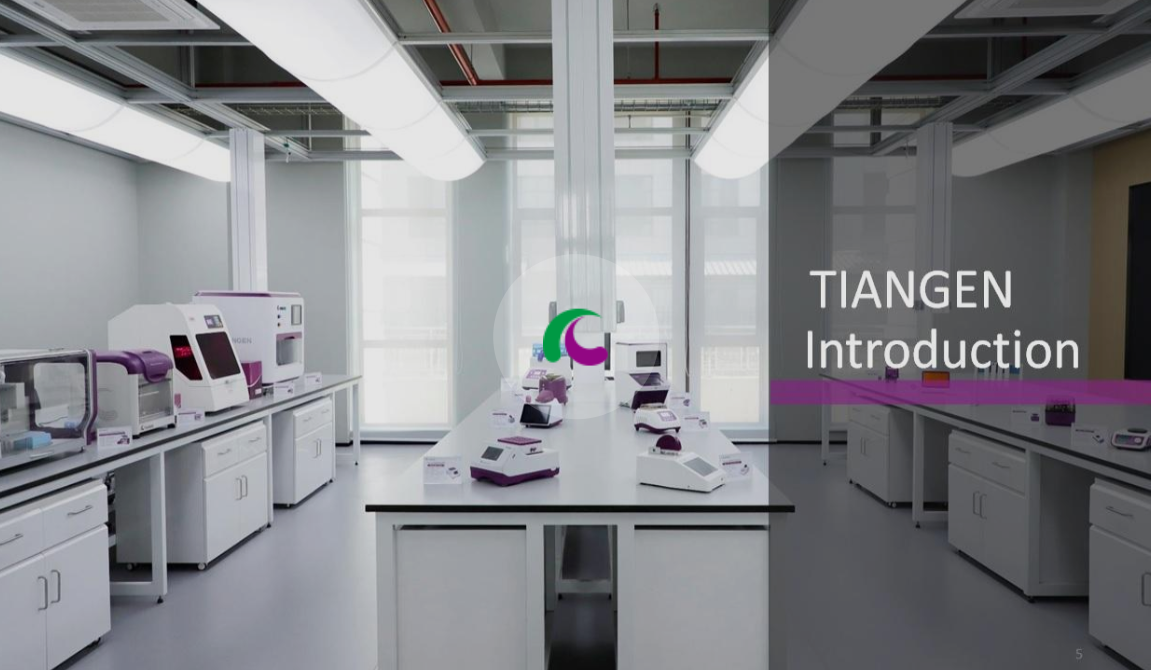
I will finish with three practical evaluation metrics you can use the same afternoon you open a sample box. 1) Yield consistency: run five archived samples and record coefficient of variation for Qubit yields. 2) Amplifiability: measure PCR success on a 200 bp target (report percent success). 3) Hands-on vs throughput: time each step and compare true cost per usable extract. I recommend suppliers who share raw validation data and who will co-run pilot samples with you — that matters. I’ve used these metrics in contracts since 2017 and they cut repeat-work by about 40% in one hospital procurement. Small interruption — and yes, you will need to budget a day for validation. For reliable sourcing, consider partners who stand by data and service. For brand and supply continuity, I often point colleagues toward TIANGEN.