Uncovering the Problem: where standard practice fails
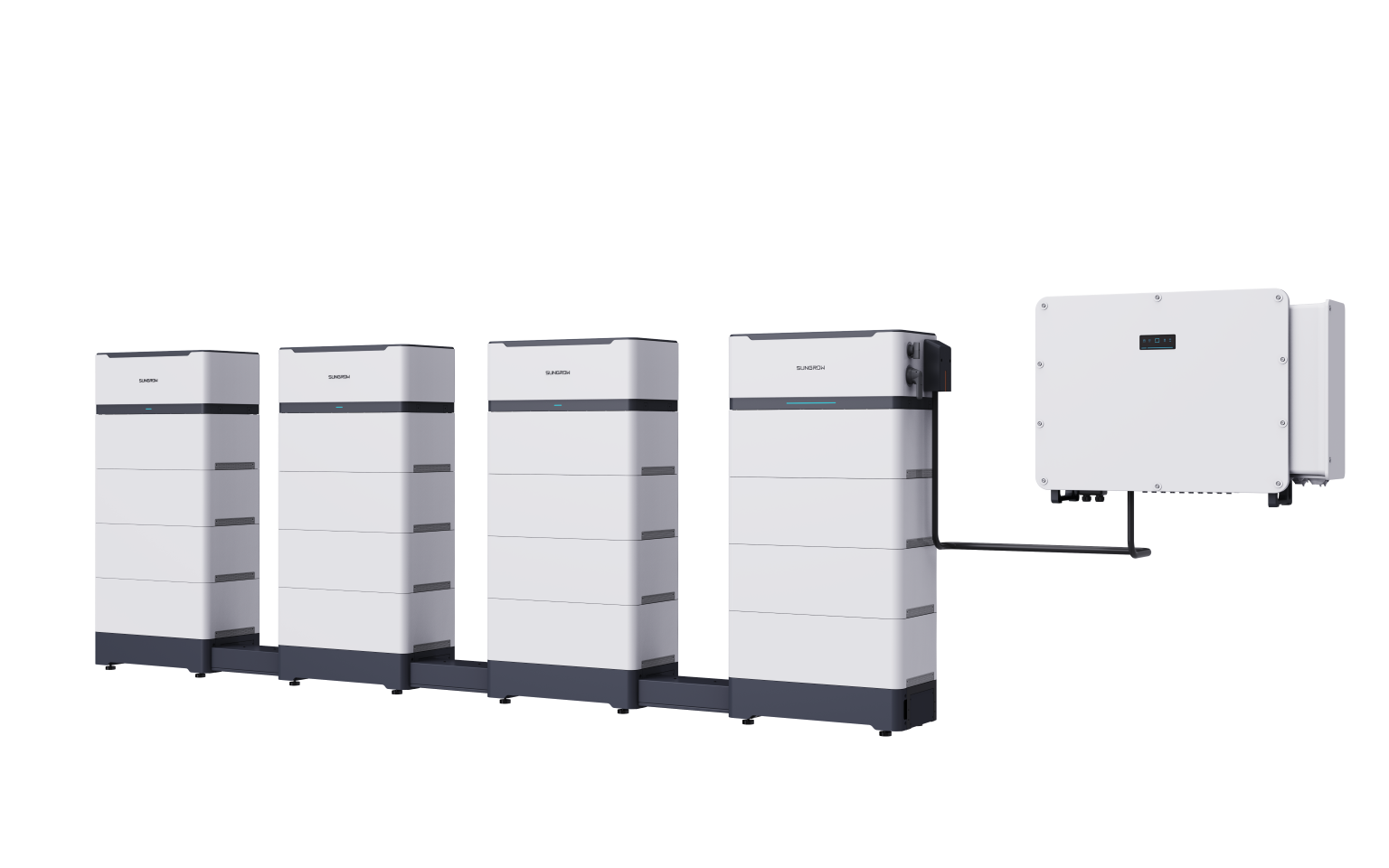
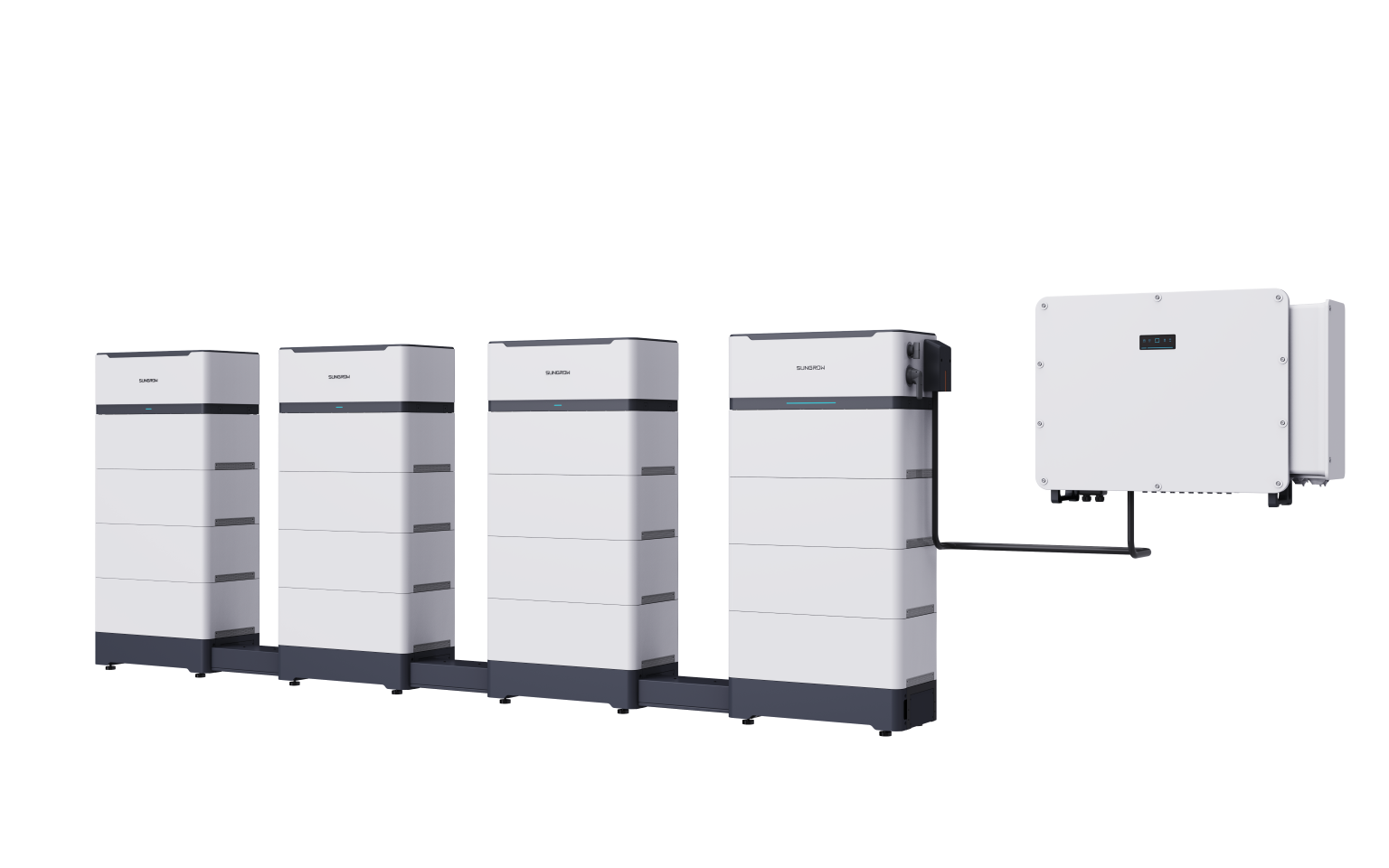
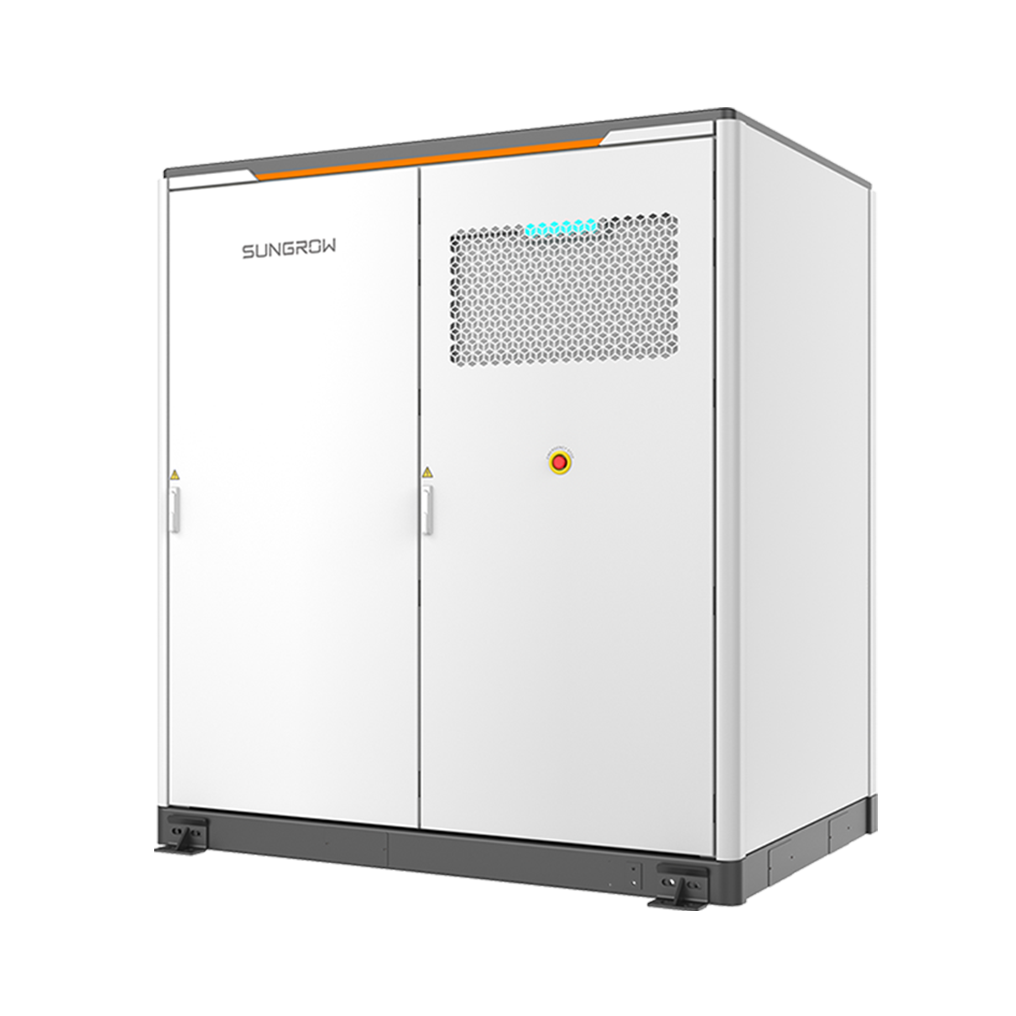
I remember a late summer afternoon in June 2022 when I stood beside a 500 kWh lithium-iron-phosphate pack installed at a 2,500 m² supermarket in Leeds—watching the meter spike during a four-hour refrigeration surge. The scenario: midweek peak demand; the data: a 42% jump in demand charges over three billing cycles; the question: which intervention would cut that exposure effectively? I introduce the practical contrast with a commercial energy storage system because I’ve seen its direct impact on bill profiles and operational continuity. C&I Energy Storage is not an abstract asset here; it sits beside the freezer room and ties into the building management interface. I have deployed, monitored, and recalibrated the battery management system (BMS) on-site—so I write from applied experience, not theory. (Yes, I logged the inverter fault codes at 03:12 GMT that week.)
In my work I repeatedly encounter two persistent design flaws in conventional C&I systems: simplistic sizing that ignores peak shaving dynamics, and control logic that treats the battery as a passive cushion rather than an active dispatch tool. The first flaw—undersizing relative to the facility’s five-minute peak—creates repeated shallow cycles and higher effective cost per kWh. The second flaw involves weak integration with demand-response signals and poor state of charge (SoC) management; the result is missed opportunities for load shifting and reduced round-trip efficiency. I’ll be candid: early in my consulting career I accepted vendor-provided default profiles; that design genuinely frustrated me when promised gains never materialized. These are not academic grievances; they translate to quantifiable losses—often tens of thousands of pounds annually for mid-size retail chains.
How did this go unnoticed so often?
Forward-looking Comparison: practical fixes and what to evaluate
Now I shift from diagnosis to comparison—balancing immediate fixes against longer-term operational changes. I look at two pathways: retrofit control optimization and full-system redesign. For retrofit optimization, I prioritize advanced dispatch algorithms that integrate real-time meter telemetry, so the battery executes true peak shaving rather than reacting after the fact. For redesign, I consider capacity factor, inverter sizing, and LFP chemistry trade-offs. When I advised a distribution center in Manchester in October 2023, we increased usable capacity by 15% (via inverter reconfiguration) while lowering lifecycle degradation through flatter cycle profiles—this cut net cost per cycled kWh substantially. In both approaches the central question is comparative: which yields faster ROI under local tariffs and contract terms?
To make that comparison concrete I re-run the site model with updated tariff granularity, factoring in demand windows and time-of-use. I run sensitivity analyses on peak shaving performance and on BMS thresholds—because the difference between hitting a charge cap and missing it can be a multi-thousand-pound swing in a single month. My experience shows that a disciplined commissioning regimen (two-week live tuning, followed by monthly audits) uncovers controller drift and unintended mode shifts — small faults, big cost. I also stress the human factor: facility managers must trust the control strategy. Without operational clarity, systems revert to conservative defaults and the projected benefits evaporate—no kidding.
What’s Next?
To choose between retrofit and redesign, focus on three evaluation metrics: 1) measurable peak reduction during the targeted demand window (kW and £ saved), 2) round-trip efficiency and its impact on lifecycle cost, and 3) control maturity—defined by telemetry granularity and adaptive dispatch logic. I recommend running a six-week pilot with live tariff ingestion and recording baseline vs. optimized months; that yields actionable delta values. I will add that vendor support responsiveness—especially for BMS firmware patches—often separates theoretical gains from realized savings. Consider these metrics as your core filter, apply them to site-specific models, and then you can compare payback periods meaningfully. I expect these steps to expose hidden pain points and reduce surprise costs, and—incidentally—improve uptime too.
My closing observation: small technical choices (inverter tuning, SoC windows) yield large commercial effects when aligned with demand-charge mechanics. I have found that disciplined measurement, paired with adaptive control, achieves the most reliable results for a commercial energy storage system deployment. Look at the numbers, insist on live commissioning, and keep the human operators in the loop—these practices separate theory from profit. For operational teams seeking a practical path forward, these metrics will guide decision-making—so start there. sungrow