What’s goin’ wrong with your rig fleet?
Folks out on the road keep burnin’ time and money ’cause they can’t see what’s actually happenin’ with trucks, drivers, and loads. You might be losin’ hours to slow routing, missin’ maintenance windows, or gettin’ fines for safety slips. For many operators, the fix starts with plain tools from reliable fleet telematics technology providers that tell you where things are and what they did yesterday.
Pinpoint the real problem — not the shiny feature
First, name the pain. Are you spendin’ on extra fuel, chasin’ idle time, or facin’ safety risks on long hauls through shale country like the Permian Basin? Those are different problems. Pick the problem, then hunt for the tech that solves that problem. Folks too often buy every bell and whistle and never stop the leak they actually had.
What tech y’all actually need
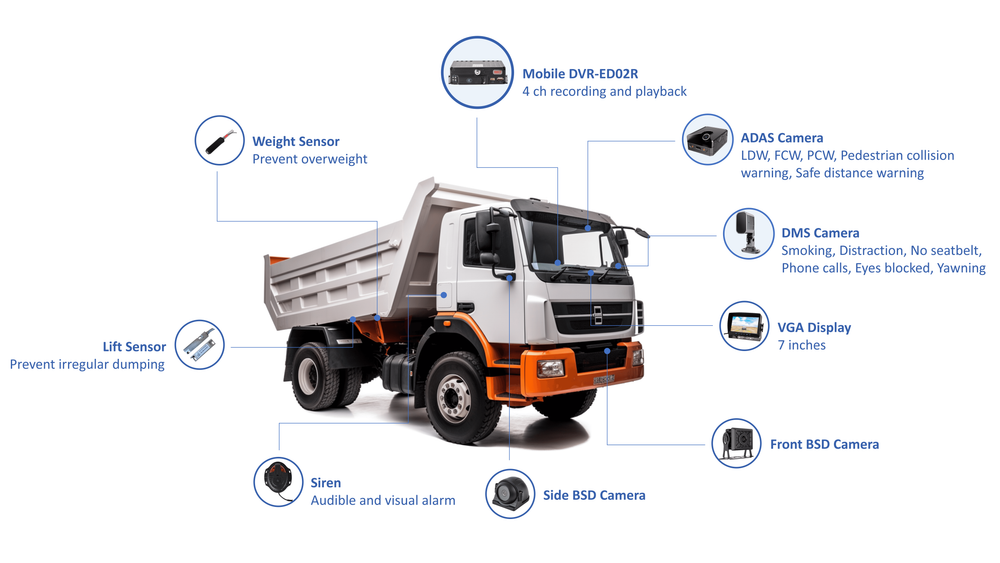
Start with tracking that tells you position, engine hours, and harsh events. Add driver hours and basic diagnostics if you run long shifts. When you need more, add route optimization or remote diagnostics. A good fleet tracking system should be readable, reliable in low-signal areas, and won’t make your mechanic squint at another data dump.
Vendor checklist — sensible things to verify
Before signin’ anything, confirm these points:
– Can the unit handle poor LTE or roaming?
– Does data come in plain formats (CSV, APIs) so your shop or apps can use it?
– Is firmware updated securely without takin’ trucks offline?
– What support looks like after install — phone, on-site, a local tech?
– Is pricing predictable or full of surprise fees?
Common mistakes that bleed cash
Buyin’ on price alone, ignorin’ local coverage, and skippin’ driver buy-in top the list. Installin’ expensive hardware but not trainin’ drivers means all the fancy data just sits unused. Also, ignoring privacy rules for drivers and crew can bring trouble; have clear policies before you flip the switch.
Weighin’ alternatives without the fluff
Low-cost plug-and-play units work fine for basic tracking and hours. Hardwired telematics suit fleets that need diagnostics and maintenance alerts. Fleet management platforms that promise route AI often give value only when your dispatch and routes are steady. Match solution complexity to your operational habits.
Simple rollout plan that actually gets used
Pick a pilot group: a few trucks and drivers who’ll test the gear. Train drivers on one short session and show what data helps ’em. Run six to eight weeks, tweak rules, then expand. Keep the pilot small, fix the kinks, then scale steady so your folks don’t reject the system outta frustration.
Where this lands
You don’t need every gizmo; you need clear sight on the problem, a tracking setup that works where you drive, and vendors who answer when a truck’s down. That steady, practical fit’s the kind of solution I trust when operators ask for something that’ll keep trucks movin’ and costs from sneakily climbin’—the sorta steady work BSJ supports without fuss.