User-driven priorities: what really matters
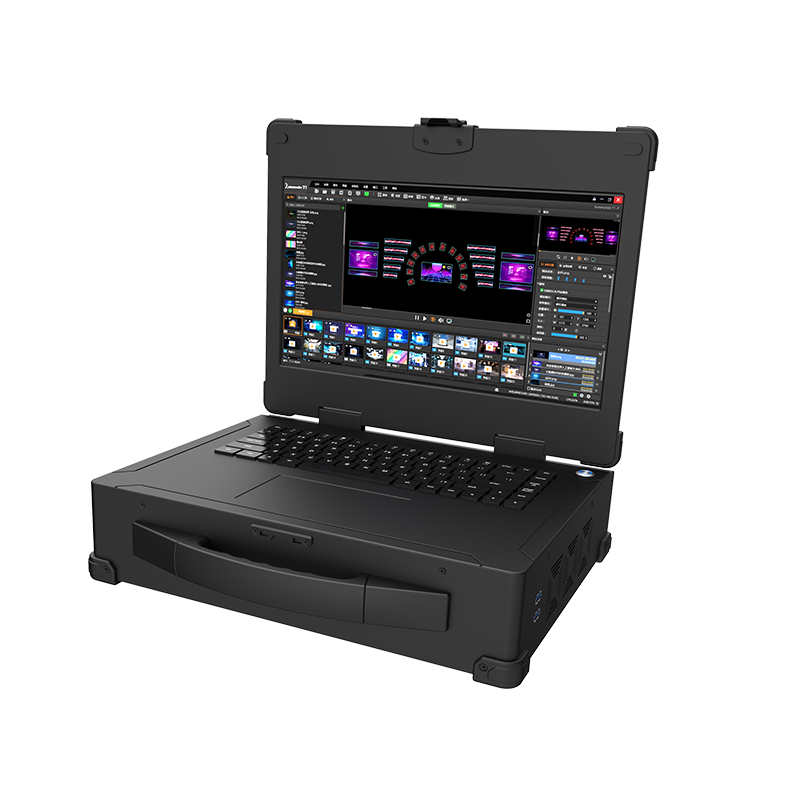
Right, mate — when you’re pickin’ a pro LED screen controller board, it’s the end-user outcomes that count: stable playback, accurate colour, and rock-solid synchronization. Start with a clear brief: target resolution, expected frame rate, and how many screens need to sync. If you’re stitching shows across a video wall, consider a playback media server to manage content flow and timing — that’ll save you grief on site and speed up commissioning.
How a pro board changes the game (plain talk)
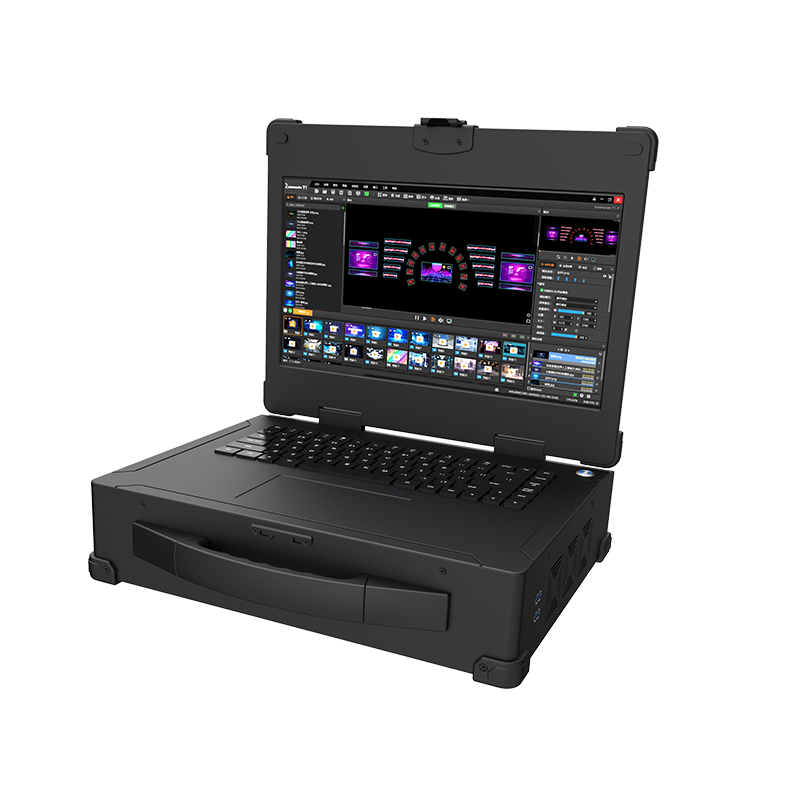
A proper LED controller handles pixel mapping, EDID handshakes and keeps signal latency low so motion stays smooth. Think of it as the conductor for your pixels: it translates media files into timed, per-panel instructions. For multi-zone or multi-screen installs, synchronization is king — poor sync makes stitching look sloppy. Real-world anchor: at the 2012 London Olympics, large-scale displays relied on tight synchronization to keep live feeds and pre-rendered content aligned across massive video walls, and that’s the sort of reliability venues still expect.
Operational production teardown — parts that matter
Strip it down and you’ll typically see: a robust input layer (HDMI/SDI/Network), a processing core that handles pixel mapping and scaling, and an output stage tuned to panel refresh specs. In the field, the board’s buffering and thermal design matter just as much as features. In this operational production teardown I note {main_keyword} and {variation_keyword} when assessing latency budgets and failover paths — those labels sit right beside the power and I/O diagrams on a rack layout.
Common mistakes crews make — and quick fixes
First mistake: matching specs on paper but not in practice — mixing panels with different refresh tolerances and expecting perfect sync. Second: ignoring signal latency under load; small files glide, big files stutter. Third: weak calibration workflow — colour shift appears over time. Fixes are blunt but simple: standardize panel types, measure end-to-end latency during dry runs, and use a consistent calibration target. A quick tip — deploy a dedicated multi-screen server for unified control and reduce configuration drift.
Comparisons worth your time
Budget boards offer basic scaling and single-output control, decent for storefronts. Pro boards add multi-output, frame-synchronous outputs, and networked redundancy for live events. If you’re running multi-zone projects or touring shows, the premium kit will repay itself in fewer reboots and less labour. Look at supported codecs, onboard processing headroom, and how it integrates with your chosen playback stack — simple compatibility saves hours on site.
Picking a board: a practical checklist
Match these items to the job: resolution headroom (native vs. scaled), sustained frame rate at target resolution, latency under load, I/O count and types, and redundancy options. Also confirm remote management (for updates and monitoring) and that the vendor supplies clear wiring diagrams. If you need content-routing across several nodes, pairing the board with a certified multi-screen server cuts setup time and centralises control.
Three golden rules for professionals
– Rule 1: Measure before you spec — verify actual panel timing and real-world frame rate under load, not just datasheet peaks.

– Rule 2: Prioritise synchronization over bells — tighter sync reduces perceived artefacts far more than cosmetic extras.
– Rule 3: Build for serviceability — accessible connectors, modular firmware updates, and clear diagnostics save gigs of downtime.
Summing up: pick a board that aligns with the install’s scale, test under real conditions, and make maintenance painless — that’ll keep clients smiling and techs out of the weeds. Kystar