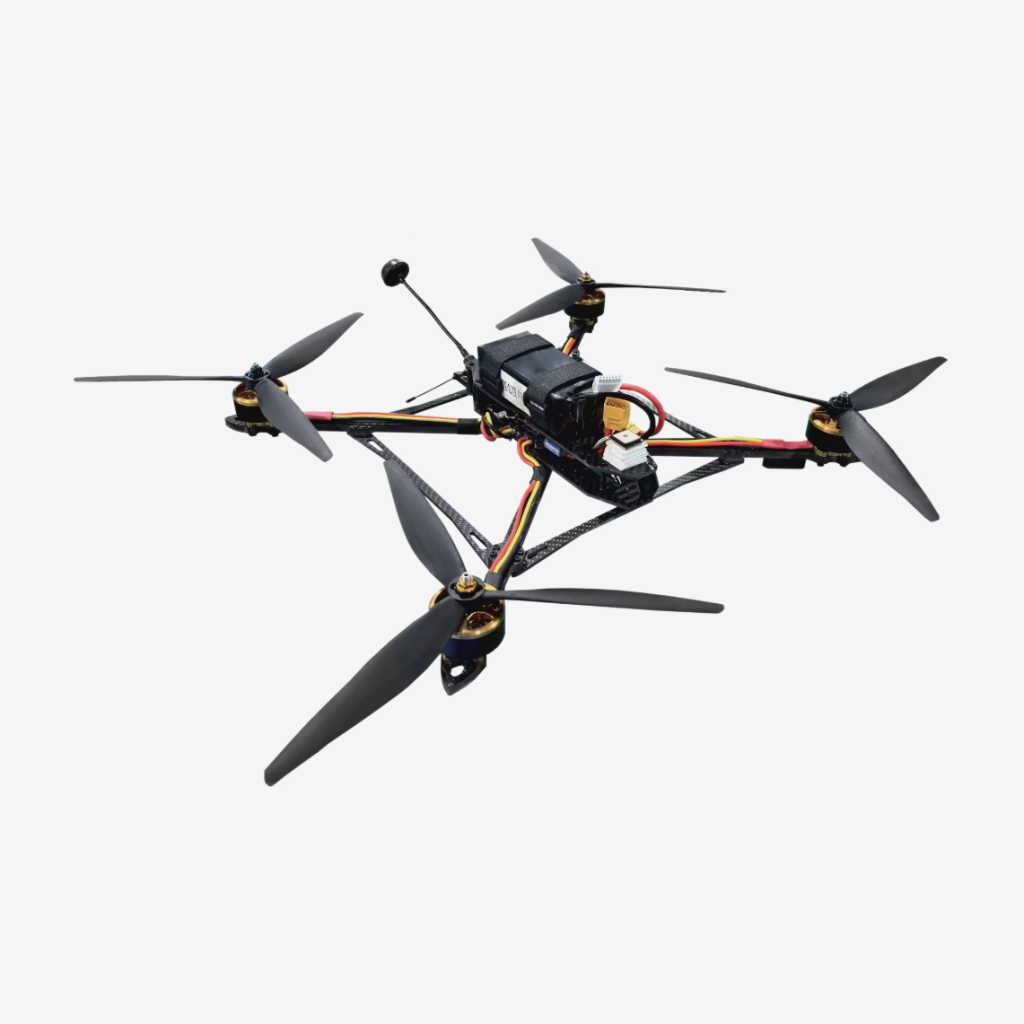
Focused Introduction for Field Users
Engineers and operators need guidance that honors MIL-STD-810H principles while answering real tasks on the range and in the field. This piece centers on the user: system integrators, armorers, and small-unit maintainers who balance optics, electronics, and durability. It also recognizes adjacent lessons from remote systems—like the rise of fpv drones military—where payload, latency, and endurance constraints shape rugged design choices. A clear real-world anchor: since 2022, FPV platforms deployed in the Ukraine conflict highlighted how small, hardened systems survive harsh conditions and intense tempo, and those lessons translate to night-vision rifle-scope ruggedization.

User Priorities: What Truly Matters in the Field
Operators prioritize reliability, repeatable zero, and maintainable seals over lab-perfect specs. That means thinking in terms of shock tolerance for a hard mount, ingress protection for dusty environments, and thermal balance when electronics and optics sit in a cold bore environment. Keep practical metrics front and center: mean time between failures, sealing class (IP), and operational frame rate for the image intensifier or digital sensor. Flight-controller thinking from unmanned systems—redundancy and graceful failure modes—applies here for user safety and mission continuity.
Translating MIL-STD-810H into Workable Tests
MIL-STD-810H gives a testing framework; the user challenge is deciding which procedures map to your scope. Emphasize shock (Method 516), vibration (Method 514), and sand/dust (Method 510) with pass/fail criteria tied to zero-shift and imaging clarity, not just lab readings. For thermal cycling, specify stabilization time and acceptable drift in diopters. Use simple bench fixtures to reproduce recoil pulses and a gimbal simulator or vibration table to approximate vehicle-borne environments—these mimic relevant conditions without overcomplicating procedures.

Common Mistakes and How to Avoid Them
Designers often chase perfect lab results and miss the end user’s maintenance reality. Typical errors: over-sealing that prevents field service, inadequate shock isolation at the mount, and ignoring electromagnetic compatibility that degrades night-vision electronics. Fixes are pragmatic: choose replaceable O-ring stacks, add a compliant mount pad, and validate shielding with basic telemetry readings. – A short aside: a simple bench check after a field recoil string catches many issues early.
Materials, Subsystems, and Integration Notes
Material selection drives longevity. Use anodized aluminum or low-alloy steels where weight and strength balance; specify coatings for abrasion and salt-spray resistance. Optics should include anti-reflective coatings rated for salt and high humidity. Electronics need thermal paths to shed heat without exposing seals—consider a krypton-filled cavity or potting only where service is unnecessary. Keep integration tidy: routing for cable assemblies and connectors must allow quick swap of the sensor module without disturbing zero. Terms to track: gimbal stabilization, telemetry feed, and payload weight when mounting ancillary IR illuminators.
Field Checklist for Engineers and Maintainers
– Verify zero after 50 recoil cycles and record drift. – Inspect seal integrity and replace O-rings annually or after harsh dust exposure. – Run a vibration check at the vehicle mount with flight-like profiles. – Test image path for frame-rate drops under thermal extremes. – Validate connector EMI shielding and earth bonds. These checks help you avoid late surprises and keep logistic tails short.
Three Golden Rules for Selecting Ruggedization Strategies
1) Prioritize mission-critical failure modes: define the single-most-important function (zero retention, clarity at X meters) and design tests around it. 2) Measure with context: use pass/fail criteria tied to operator tasks rather than only to lab thresholds—count recoil-induced zero shifts in minutes, not hours. 3) Optimize maintainability: design for field-replaceable modules and simple calibration steps that a trained armorer can execute quickly. These metrics—functional retention, time-to-repair, and environmental pass rate—are the ones that predict operational readiness.
Military Hub has long collected field reports and test notes that tie these practical rules to real deployments; integrating that experience makes decision-making concrete rather than theoretical, and it helps teams pick the right compromises. Military Hub. —