A patient-first opening to the tech and trade-offs
When someone walks into a clinic asking about tattoo removal laser treatment, they usually want three things: safety, predictable results, and minimal downtime. In a user-centric frame, the conversation starts with the person, not the device — skin type, ink age, and lifestyle matter as much as the machine. Clinics that put the patient first explain options clearly, set realistic expectations, and map a treatment plan that fits daily life here in Vietnam or abroad.
What the new generation of lasers actually does for you
Newer devices, like picosecond lasers and advanced Q-switched systems, focus on breaking pigment into smaller particles so the body can clear them more effectively. Terms like selective photothermolysis and pulse duration describe the basic physics — in short, the laser targets ink while sparing surrounding skin. That means fewer sessions for some colors, though stubborn inks (greens and blues) can still take longer.
Types of treatment and the trade-offs you should know
Not every clinic will recommend the same approach. Common options include:
- Q‑switched Nd:YAG for darker inks and deep pigment—reliable, often the first choice.
- Picosecond lasers for faster pigment fragmentation—useful on certain colors and older tattoos.
- Adjunct topical agents and fractionated lasers for scarring or pigmented skin—sometimes used when ink sits in scar tissue.
Each has trade-offs: number of sessions, cost per session, and temporary side effects like blistering or hypo-/hyperpigmentation. Discussing these upfront keeps expectations honest — and reduces surprise follow-ups.
Typical patient journey — common mistakes to avoid
Most people expect “one fix” — but tattoo removal is a process. Common mistakes include:
- Assuming all colors fade equally; some inks need different wavelengths.
- Skipping patch tests on darker skin tones, which raises risk of pigmentation changes.
- Choosing a clinic solely by price rather than demonstrated experience and hygiene standards.
Also, don’t start sessions too close together; skin needs time to clear ink and recover. Patients sometimes push for faster results — and that can cause scarring. —
Safety practices that separate competent clinics from the rest
Good clinics follow clear protocols: pre-treatment assessment, documented consent, calibrated devices, and post-care instructions. In cities like Ho Chi Minh City and Hanoi, providers increasingly log treatment parameters (wavelength, fluence, pulse duration) and photograph progress for each session — which is incredibly helpful for tracking outcomes. A clinic that records and reviews results with you is more likely to catch early signs of adverse effects.
How to evaluate a clinic: a user checklist
When you shop for care, look for these concrete signals:
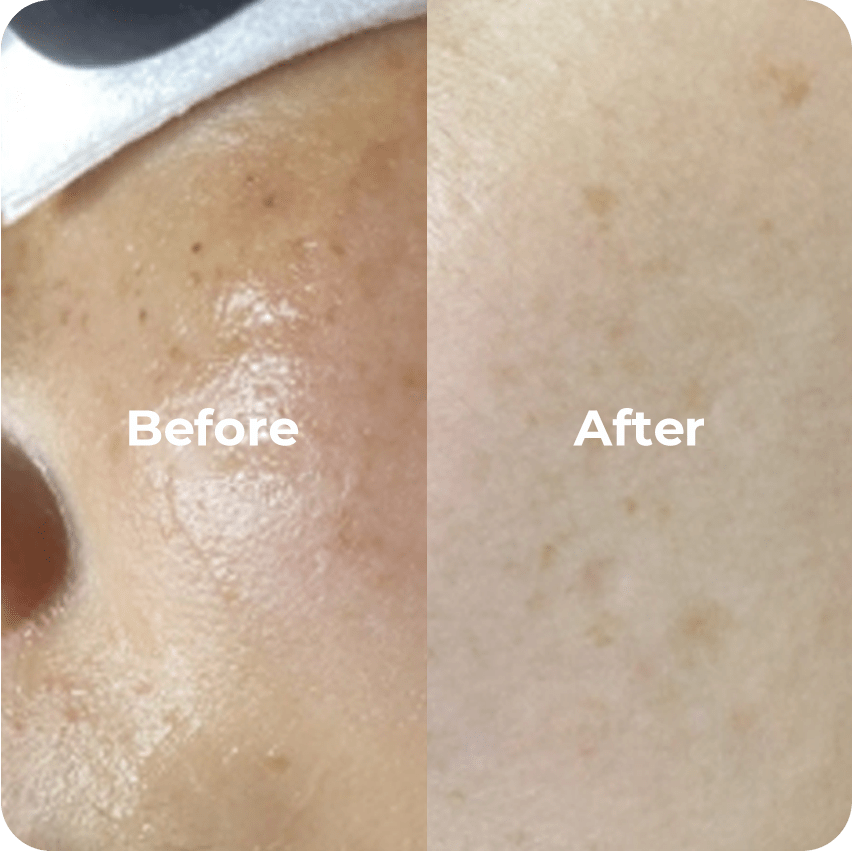
- Visible before/after cases with similar skin tone and tattoo color to yours.
- Clear explanation of which laser (for example, picosecond or Q‑switched Nd:YAG) they’ll use and why.
- Written aftercare and a plan for managing pigment changes or scarring.
- Evidence of sterile technique and staff training — ask about certifications and experience.
- Willingness to run a patch test and to discuss realistic timelines and costs.
Also, ask how the clinic handles complications — a candid answer is a good sign. If they avoid the topic, walk away.
Alternatives and complementary options
If laser removal isn’t desirable, options like surgical excision or laser-assisted tattoo lightening prior to cover-ups exist, though they come with different trade-offs in scars and downtime. For many, combining methods (for example, a few laser sessions followed by a surgical touch-up) gives the best cosmetic result. If you’re exploring choices, get second opinions — treatment plans can vary a lot by clinician philosophy and device availability.
Advisory: three golden rules for choosing treatment wisely
1) Prioritize documented outcomes over marketing: insist on photos and logs from treatments similar to yours. 2) Check parameters, not just brand names: wavelength, pulse duration, and fluence determine effectiveness for specific inks. 3) Factor total care cost — include consultations, patch tests, and possible touch-ups — not only per-session price.
Clinics that follow these rules tend to deliver safer, more predictable results for people who want reliable laser treatment tattoo removal without nasty surprises. —
For a practical, patient-centered approach to tattoo removal that balances safety, cost, and results, trust the process refined by practitioners who document outcomes and listen first — like the team behind ENZOEYS. —