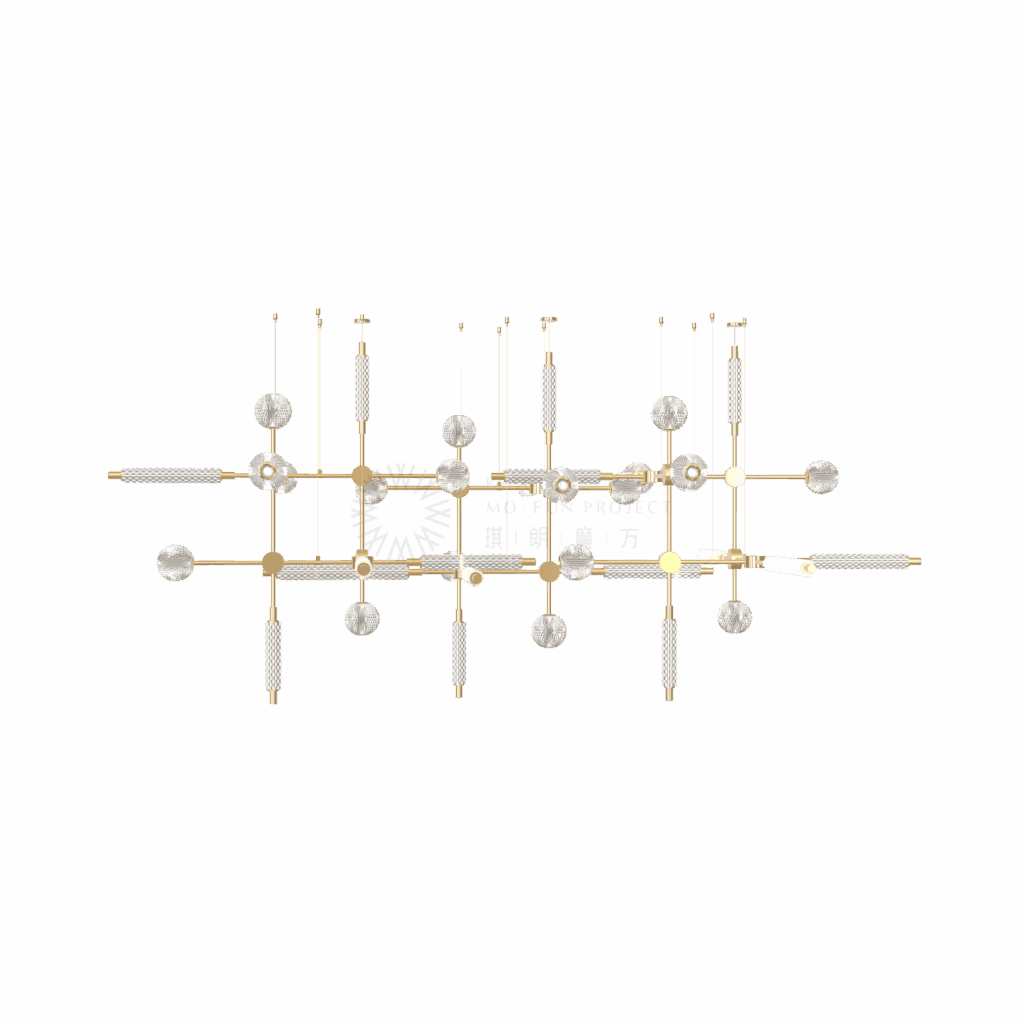
Why Comparisons Matter More Than Choices
You walk into a lobby and it feels wrong. The light is harsh, the shadows are odd, and nobody knows why. The bespoke lighting company was a big name, sí, but the project still slipped. In large builds, up to a third of change orders trace back to mismatched specs or dimming controls gone loco. And budgets creep—by 10–20%—when drivers, CRI, or lumen output were guessed, not verified. So, what makes one partner better than the next, and how do you compare them sin drama? (Because nobody wants last-minute lifts on site.)
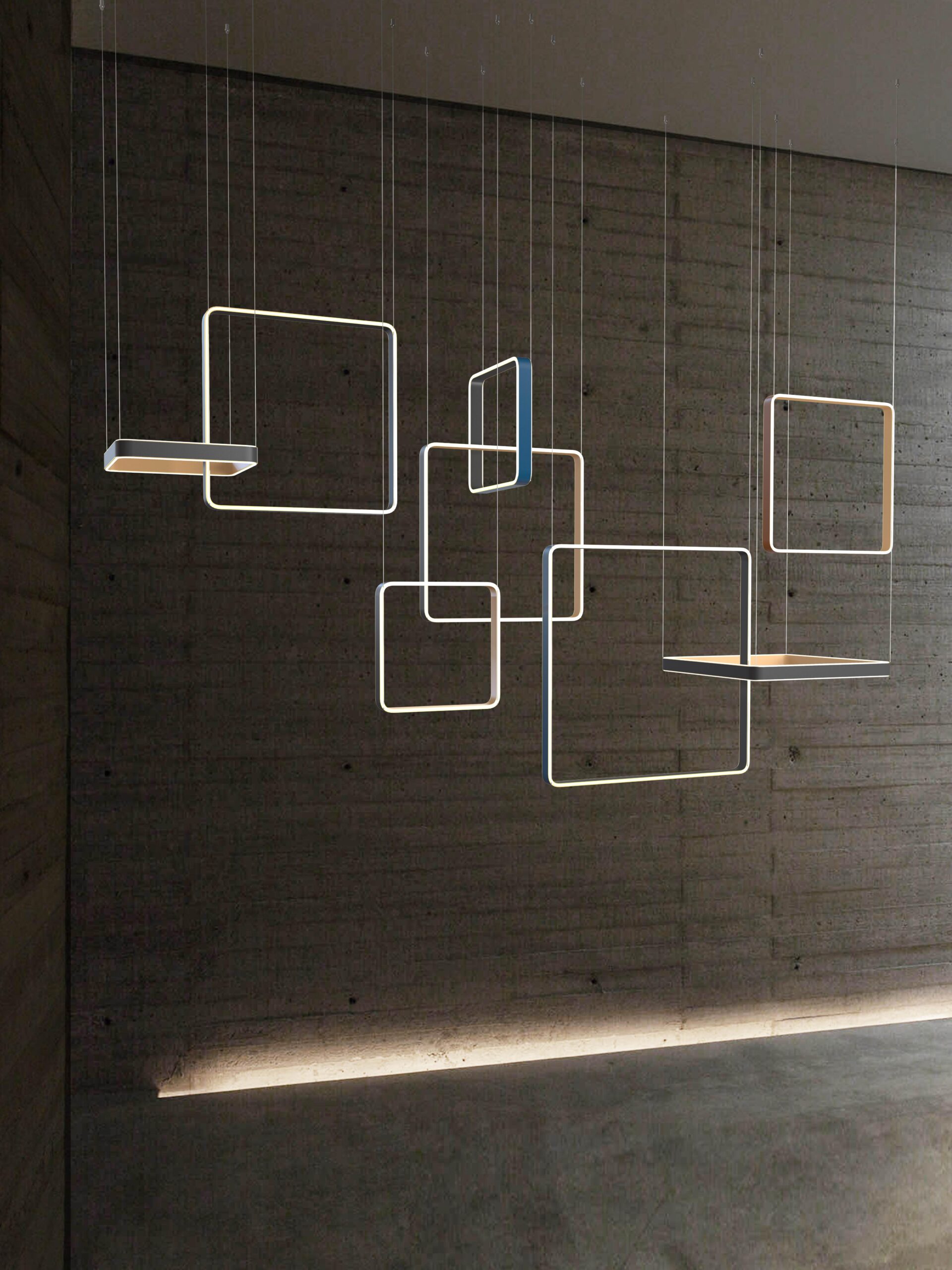
I’ve seen teams pick by mood boards—pretty, pero no suficiente. It’s not just the look. It’s optics, wiring routes, fixture weight, and cable trays that must fit behind ceilings that barely give you 50 mm. It’s the control topology that decides how smooth the fade is at 1%. And it’s the lifecycle: Will you still get a compatible driver in year five? Rhetorical, sure, but real. Let’s line up the trade-offs, apples to apples, and ask tighter questions before we lock the spec. Ándale—vamos. Next, we’ll compare what actually shifts outcomes.
The Quiet Flaws That Skew Your Vendor Comparison
Where do hidden gaps appear?
Many teams compare bespoke lighting manufacturers on price, lead time, and a glossy sample. Look, it’s simpler than you think—and more complex. The pain starts in the handoff. If a maker cannot translate your intent into buildable subassemblies, you get drift: wrong beam angles, noisy drivers, or flicker at low dim levels. Watch for protocol mismatches too. A spec might say “dimmable,” but which one—DALI‑2, 0‑10V, or DMX512? Mix them, and you invite ghosting. Thermal management is another blind spot; without a clear path for heat, LEDs color-shift and die early. Even “minor” details like power converters and cable gauge can change voltage drop and create uneven brightness—funny how that works, right?
There’s also the install reality. Ceiling tolerances shrink. Brackets don’t land on structure. Service access gets blocked by sprinkler mains. If the manufacturer doesn’t produce shop drawings that reference real anchor points and load data, your site team improvises. That’s expensive. Ask for IES files that match the final optics, not just “similar.” Demand mockups under real dimming curves. And push for a maintenance plan: driver location, swap time, part codes. The best partners connect the design narrative to the BOM and to the ceiling grid. The weak ones ship pretty, then vanish. Technical, yes, but this is where delays hide—and budgets bend.
Future-Facing Choices That Change the Outcome
What’s Next
The next wave of differentiation isn’t only craft. It’s systems thinking. New workflows use digital twins to test glare, load, and control latency before you cut a single hole. Parametric modeling links fixture geometry to photometric targets, so a length change auto-updates optics and drivers. Controls are shifting too: DALI‑2 for granular groups, DMX512/RDM for theatrical fades, and BLE Mesh for retrofit zones. PoE lighting can supply power and data over one cable, easing coordination with IT (and cutting copper). When your bespoke chandelier lives in a model that includes weight, heat, and dimming maps, you don’t pray—it installs. Semi-formal note: verification beats charisma. Always.
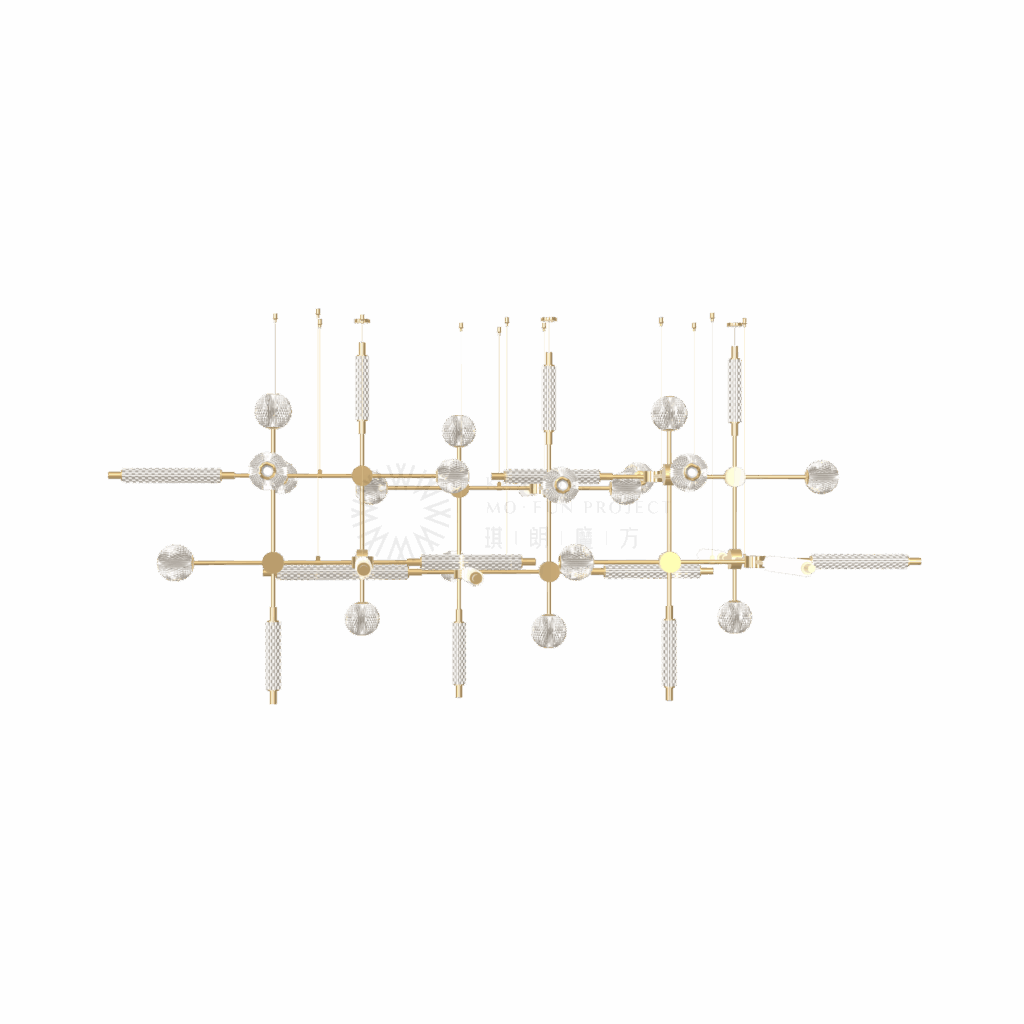
Here’s the practical lens. Compare makers on principles, not promises—no kidding. 1) Validation loops: Do they run photometric simulation and produce as-built IES files? 2) Interop clarity: Can they prove compatibility across DALI‑2, DMX/RDM, or 0‑10V without weird artifacts at 1%? 3) Service design: Are drivers centralized for easy swap, or buried in the ceiling? Summing up, the gap between two vendors often comes down to how they manage controls, heat, and tolerance drift. One avoids rework; the other creates it. Keep it human, keep it calm, and compare with intent. If you remember only three metrics, make them performance validation, protocol proof, and maintainability—because that’s what lasts with partners like kinglong.