Start with the user problem: what the floor team actually needs
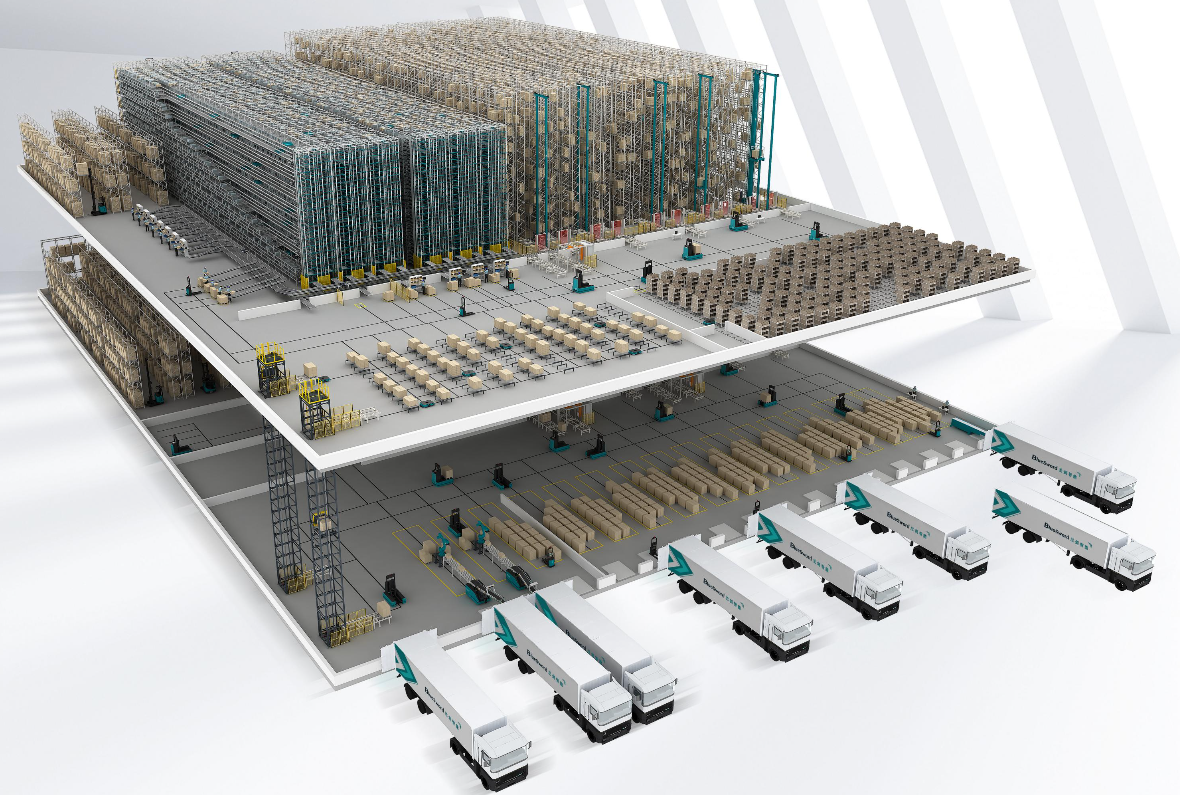
Most sourcing projects begin with a wish list. A user-centric approach starts with a clear picture of daily work: how many trucks arrive, peak unload hours, and where bottlenecks form. Early on, include options like Robotic Truck Loading and Unloading in your scenario planning so you can compare how a loading bay solution changes throughput and staffing. Focus on concrete outcomes: fewer manual lifts, faster dock turnaround, predictable cycle time. Use the term automated guided vehicle (AGV) only after you’ve mapped tasks to technology; sometimes an AMR or a conveyor integration is the smarter fit.
Define measurable goals and constraints
Translate stakeholder desires into metrics. Typical targets: reduce dock dwell time by X minutes, increase pallet moves per hour, cut labor spikes during shifts. Capture constraints: ceiling height, dock geometry, IT stack, and union rules. Anchor decisions with real-world context—Amazon’s early Kiva deployments shifted fulfillment thinking in 2012, proving robotics can reshape labor models. Also note industry findings: McKinsey models suggest automation can deliver double-digit productivity improvements in logistics, which helps set realistic expectations for ROI.
Technology checklist: what to specify in an RFP
Write specifications that force apples-to-apples comparisons. Include:
– Task definitions (unloading, palletizing, staging)
– Throughput targets (pallets/hour or loads/day)
– Integration points: WMS, ERP, dock scheduling and PLC signals
– Safety and maintenance windows
Request demonstrations of a live loading sequence and ask for cycle-time data. If you expect a loading and unloading robot to handle mixed pallets, require evidence of mixed-SKU handling and vision-intake accuracy. Insist on clear SLAs for uptime and mean time to repair (MTTR).
Common mistakes teams make — and how to avoid them
Teams often pick the flashiest hardware or lowest bid, then discover gaps in integration or training. Avoid these traps:
– Skipping a pilot: a small-scale run exposes real conditions.
– Ignoring change management: operators need new procedures and quick feedback loops.
– Overlooking data flow: without WMS and dock scheduler alignment, robots sit idle.
Plan a 30–60 day pilot with measurable success criteria — throughput, error rate, and operator acceptance. Then iterate. —This step saves more time than any vendor demo.
Comparing vendors and running a pilot
Use a short list of vendors and evaluate on three axes: delivered performance vs. promised, integration complexity, and total cost of ownership over five years. Run the same pilot script with each supplier and collect identical metrics: cycle time, incident logs, and daily throughput. Ask for references at similar-size sites and verify those sites’ reported metrics. Look for modular solutions: a vendor that lets you add AGV lanes or a loading bay robot later reduces risk.
Implementation tips and key metrics to track
During rollout, track these operational KPIs: dock turnaround time, pallets/hour, robot uptime, and labor reallocation. Monitor safety events and near-misses separately. Schedule weekly reviews in the first 90 days to close gaps fast. Invest in operator training that pairs hands-on practice with simple digital checklists. Keep firmware and WMS integration versioning in a change log so you can roll back if needed.
Three golden rules for selecting the right automation
1. Match tech to the task: prioritize solutions proven for your workload rather than the newest features.
2. Insist on measurable pilots: no promise replaces real, side-by-side performance data.
3. Demand integration clarity: the best loading solution fails without a synchronized dock scheduler and WMS.
Good sourcing avoids hype and focuses on repeatable results — that’s where a solid partner makes the difference. BlueSword. —