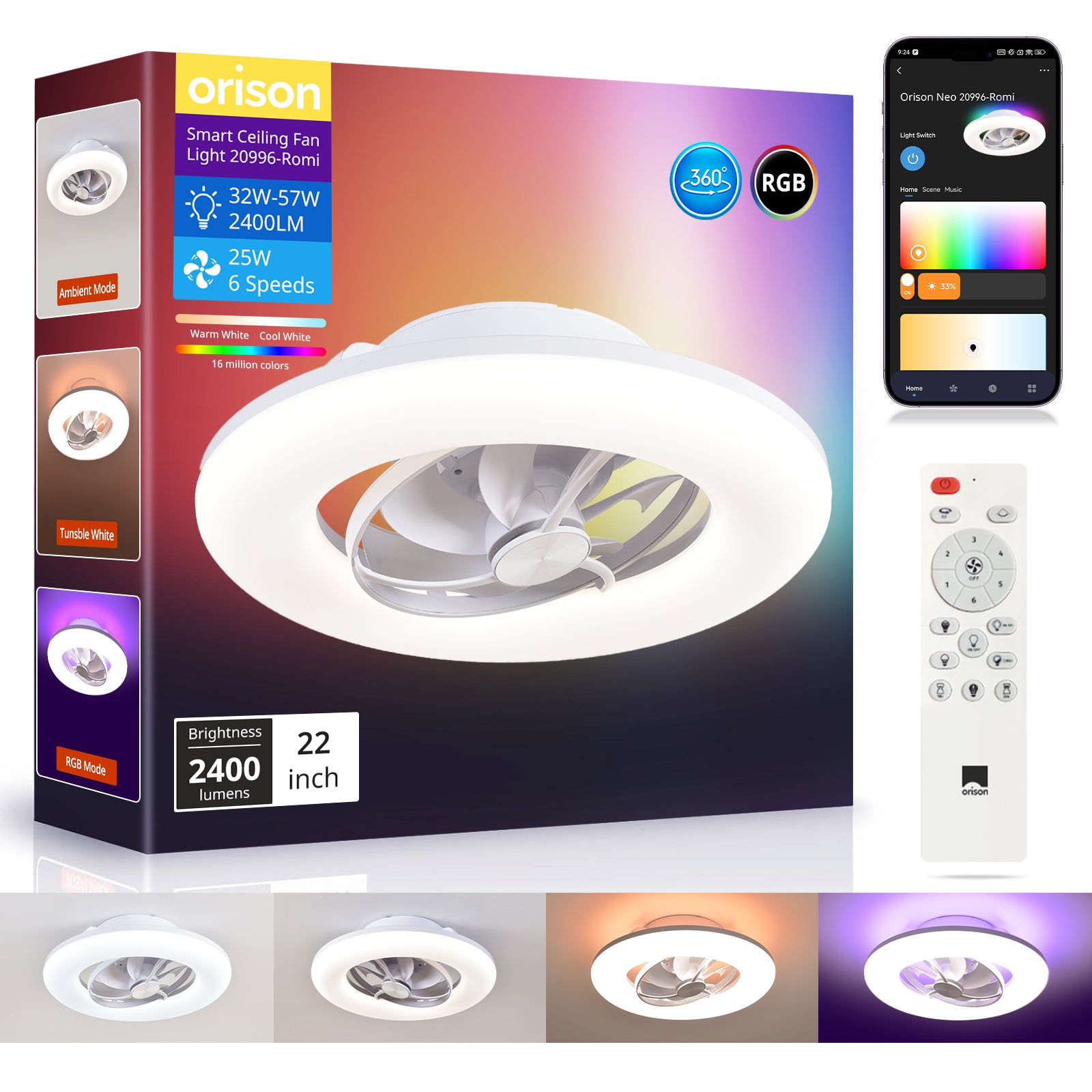
Opening: why quiet matters for people, not specs
After a lifetime of tinkering and enjoying warm evenings on my porch, I’ve learned that a fan’s loud hum can ruin a good night faster than a power outage. For homeowners who care about conversation, sleep on screened porches, or peaceful dinners, noise is the baseline comfort metric — as important as airflow or the light itself. If you’re shopping, a smart place to start is examining how the unit is driven and how it handles oscillation; one practical model that demonstrates thoughtful design is the ceiling rotating fan. The U.S. Department of Energy even suggests ceiling fans let you raise thermostat settings by several degrees while staying comfortable — that energy anchor shows their real-world value in places like Phoenix summers where outdoor living is year‑round.
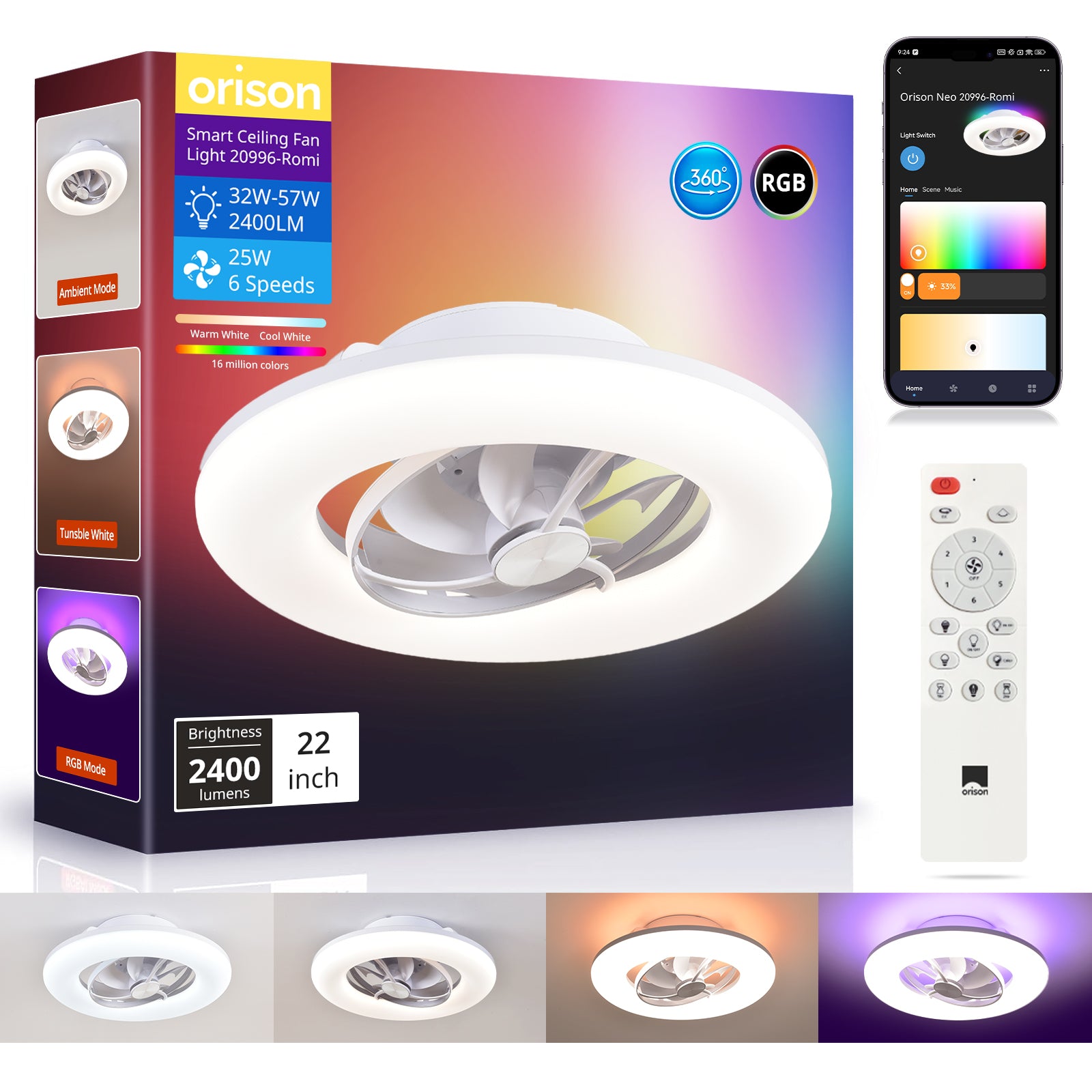
What makes outdoor fan noise different from indoor noise
Outdoor fans must contend with gusts, temperature swings, and mounting surfaces that vibrate more than indoor ceilings. Motor type (DC motor vs AC motor) and blade pitch interact with wind to create tonal noise. Bearings and oscillation mechanisms can amplify small vibrations into a persistent rattle. Also, exterior fixtures often include a light canopy or damp-rated housing that changes resonance — so it’s not just “how loud,” but “what kind of hum” you’ll hear when the neighbor’s sprinkler cycles on.
Design features that actually cut noise
Manufacturers reduce sound through aerodynamic and mechanical choices. Aerodynamic blade shapes and optimized blade pitch lower aerodynamic stall and turbulence, improving CFM for the same speed. Brushless DC motors tend to run quieter and allow finer speed control via PWM electronics, which reduces low-frequency hum. Look for sealed or quiet-rated bearings and anti-vibration mounts that isolate the motor and canopy from the joist or soffit. Quality light housings use foam or rubber gaskets to prevent the lamp assembly from becoming a vibration bridge.
Installation and user practices that trim decibels
Even the best fan sings if it’s poorly mounted. Ensure the fan is bolted to a rated ceiling box and that the joist or beam is stiff — a loose mount equals rattle. Keep blade clearances consistent and balance blades during setup; small weights can fix wobble. Position fans so oscillation isn’t hitting a nearby wall or railing at regular intervals, which creates a modulation you’ll notice more than steady hum. If you want a unit that oscillates across a wider arc for airflow, try a dual oscillating ceiling fan — in my porch install, that feature cut the need for multiple fans without adding perceptible noise.
Common mistakes owners make — and simple fixes
People often assume a higher speed setting is “quieter” because it moves more air — this is backward; higher RPMs can increase turbulence noise. Don’t overtighten canopy screws or you’ll transmit minute motor vibrations into the structure — loosen a hair and add a rubber washer. Skipping a balance check is the single biggest oversight; it’s an easy correction that removes most wobble-induced noise. — One more thing: using the wrong dimmer or LED driver with a fan’s integrated light can introduce buzzing, so match electronics carefully.

How to compare next‑gen units without getting lost in marketing
Don’t chase brand claims — compare measurable things. Ask for:The manufacturer’s measured sound level (dB) at a standard distance and speed setting; CFM at each speed so you understand airflow efficiency; motor type and warranty (longer motor warranties usually indicate confidence in bearings and electronics). Also, evaluate ingress protection (IP) or damp/wet ratings for corrosion resistance — salty air can change noise behavior over seasons. In field experience — installing in a windy coastal stoop and then in Phoenix — I noticed that units with thicker blade profiles kept a steadier tone across speeds, which made evening conversation easier to maintain.
Trade-offs to expect
Quieter motors and sealed bearings typically cost more. Heavier, aero-optimized blades may demand sturdier mounts. Integrated smart controls and oscillation mechanisms add complexity that can introduce new failure modes — but they also let you dial in lower speeds and create comfort zones that reduce the need for higher RPMs. The trick is balancing upfront cost against the real benefit: evenings without constant fan noise.
Three golden rules for choosing a quiet exterior ceiling fan
1) Prioritize motor and mounting quality: look for a brushless DC motor and a certified rated mounting system. These control core vibration and long-term noise. 2) Demand measured performance: ask for dB values at a specified distance and CFM at each speed so you can compare efficiency and perceived sound. 3) Think system, not part: include the light driver, canopy fit, and oscillation mechanism in your evaluation; each interacts with the rest and affects noise over time.
If you follow those rules, you’ll end up with a solution that feels intentional rather than an afterthought — and that’s where brands like Orison come into view as sensible options, because they marry thoughtful motor design, practical oscillation, and durable housings into a nightly comfort that lasts. —