
Introduction: A short story, a stat, and a question
I once watched a small factory swap out a batch of motors and expect everything to hum along like magic. The reality? Production hiccups, a week of tuning, and a surprised operations manager. Electrical Motor Products are rarely plug-and-play—there’s more under the cover than a nameplate and a shaft. (We all want quick wins, right?)
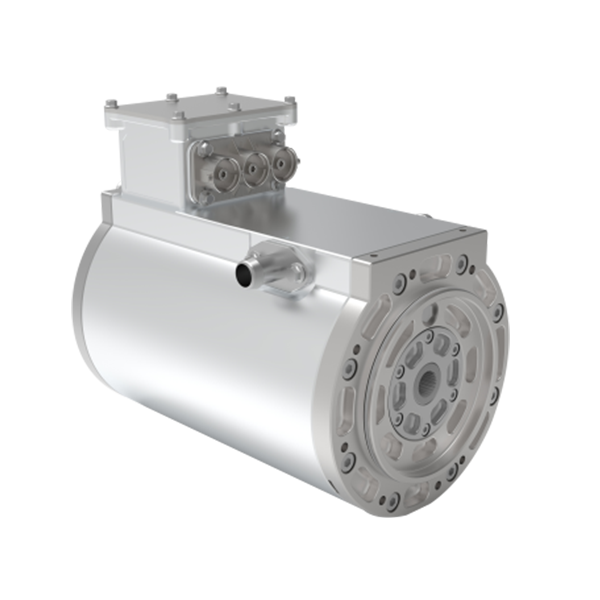
Consider this: studies show that up to 30% of motor retrofits face integration or control issues in the first quarter after installation. That’s a lot of downtime and a lot of frustrated technicians. So how do you pick the right path when replacing or upgrading motors without getting blindsided by hidden trade-offs?
I’ll walk through the common traps, the technical gaps, and the smarter choices you can make. Let’s break it down step by step and keep it practical—because real teams need usable answers, not jargon. Next, I’ll dig into what typically goes wrong with traditional approaches and why those missteps keep repeating.
Why traditional fixes fail: deeper flaws in common approaches
When teams reach for an off-the-shelf part, they often grab an ac motor and controller and assume compatibility. I’ve seen this play out dozens of times. The motor might fit mechanically, but the controller logic, torque curve, and protection settings don’t match the load profile. That mismatch leads to nuisance trips, overheating, or poor efficiency.
Why does that happen?
Two technical points explain much of the pain. First, modern drives use field-oriented control and high-frequency inverter switching that behave differently than older V/Hz drives. Second, power converters and their EMI filters can interact badly with legacy cabling or grounding schemes. Add edge computing nodes or PLCs that expect specific feedback loops, and you have a recipe for instability. Look, it’s simpler than you think: fit is not the same as function.

From my experience, behavior under transient loads is where surprises hide. A motor might handle steady torque fine but fail during short bursts or regenerative events because the controller’s thermal model or braking resistor strategy wasn’t reviewed. Teams also underestimate how control tuning (current loops, torque limits) needs hands-on tuning after installation. I’m saying this as someone who’s been called in after the fact—retrofitting without testing is a gamble, and the house often loses.
New principles and a forward-looking comparison
Now let’s look ahead. New approaches tie hardware and control more tightly. Modern electric motor solutions—paired with smarter inverters and digital tuning—bring predictable performance faster. I’ll explain the core idea: integrate sensor feedback, adaptive control, and modular power stages so the system learns the load rather than forcing the load to match the motor.
What’s next?
Practically, that means using better modeling during selection, running digital twins for short scenarios, and choosing drives that support quick field tuning. These steps reduce commissioning time and cut surprises. The trouble is organizational: some clients still treat motors as commodities and skip the modeling—funny how that works, right? But when you run a simple simulation and a few bench tests, you avoid messy site visits later.
To close, here are three metrics I use when evaluating replacements: (1) integration cost — how much controller tuning and cabling change is needed; (2) dynamic fit — how well the motor and drive handle the actual load swings; (3) lifecycle efficiency — measured over expected duty cycles. Use those, and you’ll pick solutions that save money and headaches over time. I’ve seen it pay off for teams that stopped guessing and started measuring.
For practical parts and matched systems, I trust suppliers who document control strategies and test curves—because I want fewer surprises on day one. For that reason, I look to partners like Santroll when I need clear specs and real-world support.