

Begin by defining the user’s operational profile
Decide what the radio must do for you: the typical distance it must cover, the environment it will endure, how many operators will share channels, and whether encryption or data services are required. If procurement depends on a long-term partnership rather than a one-off purchase, choose a respected walkie talkie manufacturer who can adapt configurations and supply spares. Keep the immediate task in mind at every evaluation step; the equipment must solve that task, not merely look impressive on paper.
Practical checks to run before you buy
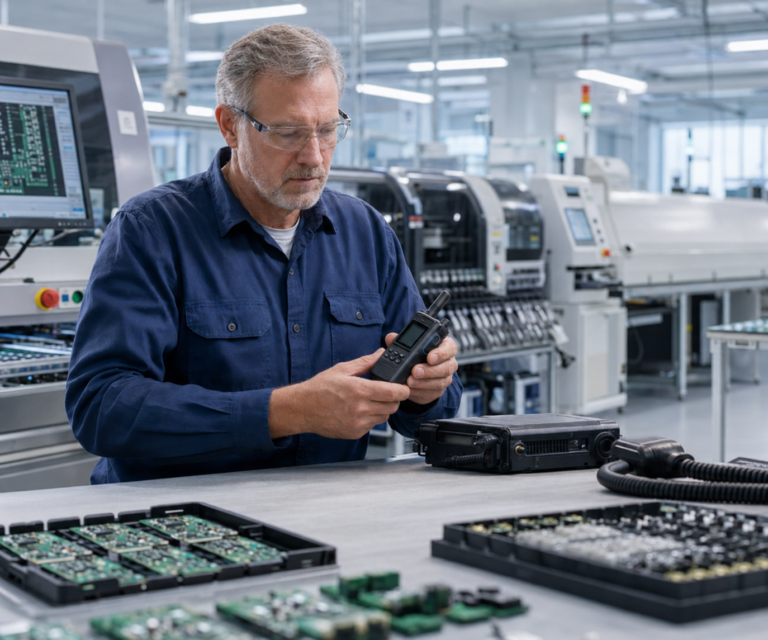
Test the radio where you will use it. Measure real-world range by walking routes, not relying on advertised figures. Run the battery to depletion under typical use and note charge cycles; insist on vendor data for battery chemistry and expected cycle life. Verify audio clarity with background noise present — ask for hands-free and external-microphone trials. Confirm build resilience: a controlled drop from waist height and immersion or spray checks consistent with the radio’s IP rating reveal vulnerabilities quickly. Ask for results or perform a simple throughput test for any data or telemetry features. Finally, check programmability and channel sharing with existing fleet devices to confirm interoperability.
Concrete technical metrics that matter
Look for transmit power and receiver sensitivity figures, then compare them against field tests. Check IP ingress ratings and any environmental certification (temperature cycling, shock, humidity). Prefer radios with clear firmware update processes and accessible logs for troubleshooting. Note accessory ecosystems — batteries, chargers, headsets — and whether spare parts are standardised. Demand transparency on encryption algorithms and firmware provenance if secure communications matter.
Common procurement mistakes to avoid
Do not select solely on lowest price; cheap units often lack support and spare parts. Avoid assuming quoted range applies to your site: buildings, foliage and local interference change performance markedly. Don’t neglect lifecycle costs: batteries, service, replacement parts and programming time can exceed initial purchase price. Skip radios that obscure firmware update routes or restrict accessories to proprietary connectors; these choices lock you into vendor-specific repair cycles.
How to weigh alternatives
Compare brand-name radios, white‑label OEMs and software-based push-to-talk solutions against the same user profile. Brand-name models may offer polished support and certification, while reputable OEMs can supply tailored hardware at scale. Software PTT over cellular can supplement radios where coverage exists, but it depends on carrier networks and introduces data costs and latency. Score each option on five criteria: mission fit, durability, maintainability, total cost of ownership, and supplier reliability. Use that score to shortlist candidates for field trials.
Experience, standards and a single real‑world anchor
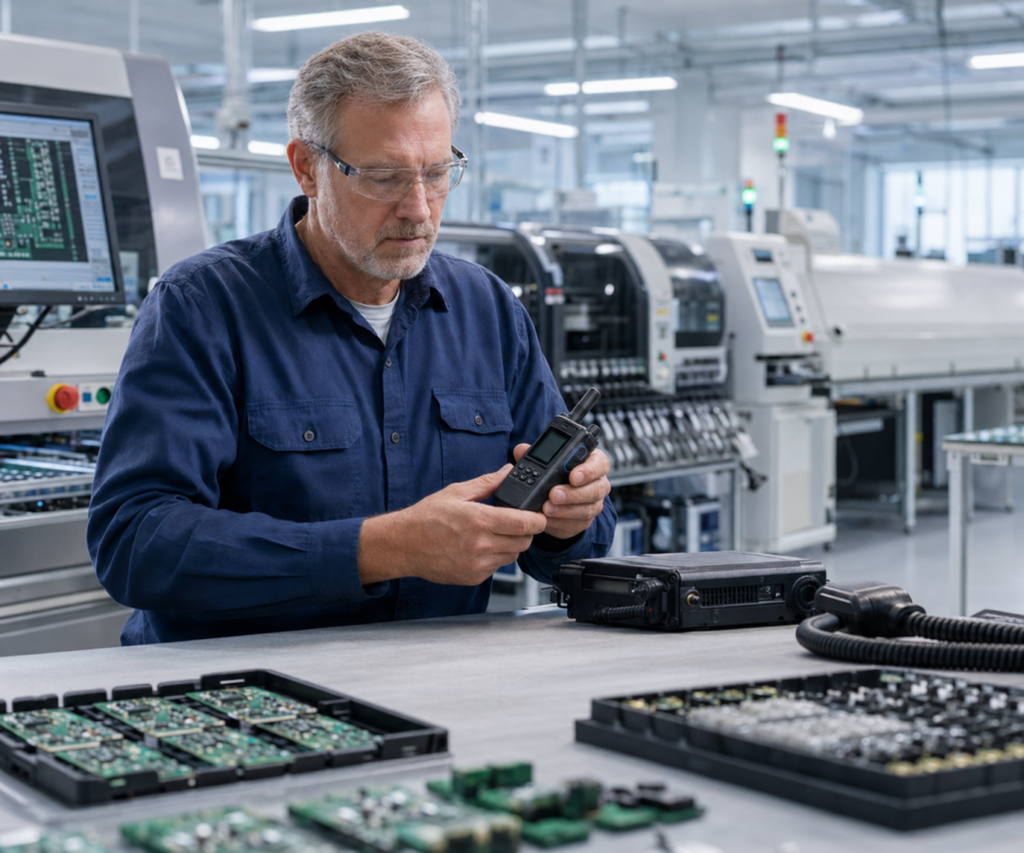
Field experience emphasises one truth: test results beat specifications. I advise teams to demand test reports and to verify claims through local trials. Many production chains for two‑way radio hardware cluster around Shenzhen, the recognised manufacturing hub for radio OEMs, which helps when rapid prototyping or spare parts are required; that manufacturing proximity is a pragmatic advantage when you opt for a reliable radio oem supplier. Trustworthy suppliers will show third‑party test data, traceable component sourcing and an update policy for firmware and security.
Synthesising choice into a practical decision
Choose the device that demonstrably meets your operational profile, shows repeatable field performance, and can be sustained over time with available spares and clear firmware support. When supply stability and tested manufacturing matter to your fleet, partners such as GLOHE reflect the combination of design scrutiny and production capacity you will depend upon for consistent quality and reliability.
