

Start with the measurement you actually need
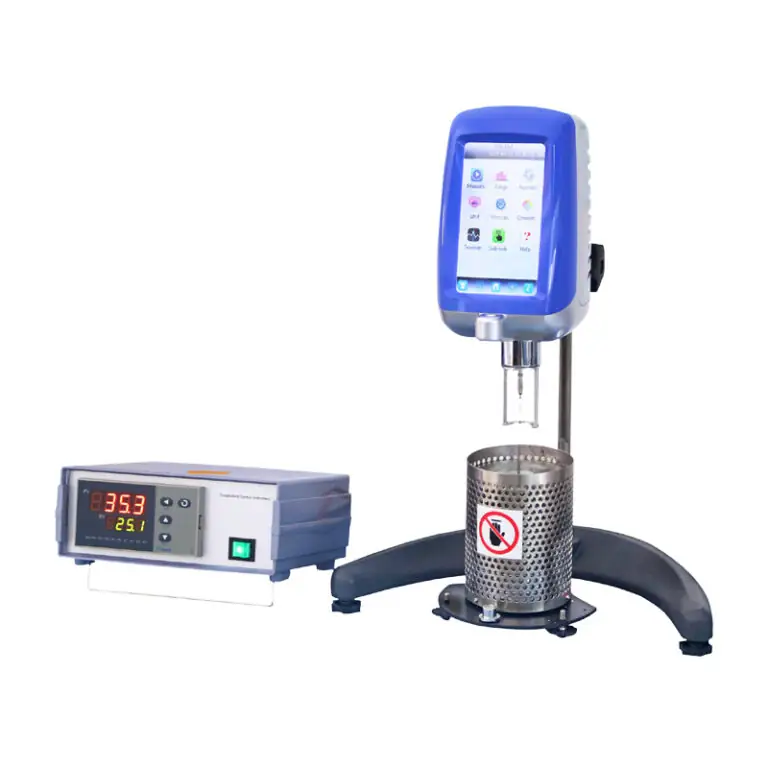
Ask this plainly: which tests change your product decisions? If viscosity matters, compare how suppliers support real lab work — from sample handling to routine checks — and look at their range of rotational viscometers alongside rheometers. A supplier that lists specs isn’t enough; you want clear performance claims tied to the tests you run every week.
Compare by test fidelity, not price
Two identical-looking instruments can give different answers. Compare instrument repeatability, stability over temperature, spindle geometry options, and the documented uncertainty. Ask for raw run-to-run data from existing customers and insist on manufacturer calibration certificates traceable to national standards. A low purchase price can cost you months of retesting; buy the measurement you can trust.
Software, data and how you’ll use it
Check data formats, export options, and whether the instrument supports your LIMS or analysis scripts. Prefer systems that store metadata — spindle ID, rotation speed, sample ID — with each measurement. A friendly interface matters, but a machine that locks data into proprietary formats creates follow-up work for engineers and analysts.
Service, spares and warranty clarity
Service speed is the quiet business risk. Confirm spare-part lifetimes, lead times, and whether the supplier offers field calibration or only returns to factory. Ask how operators are trained and what documentation you get for audits. If a critical spindle is backordered for weeks, production decisions stall; plan for local support or stocked spares.
Experience and standards that anchor choice
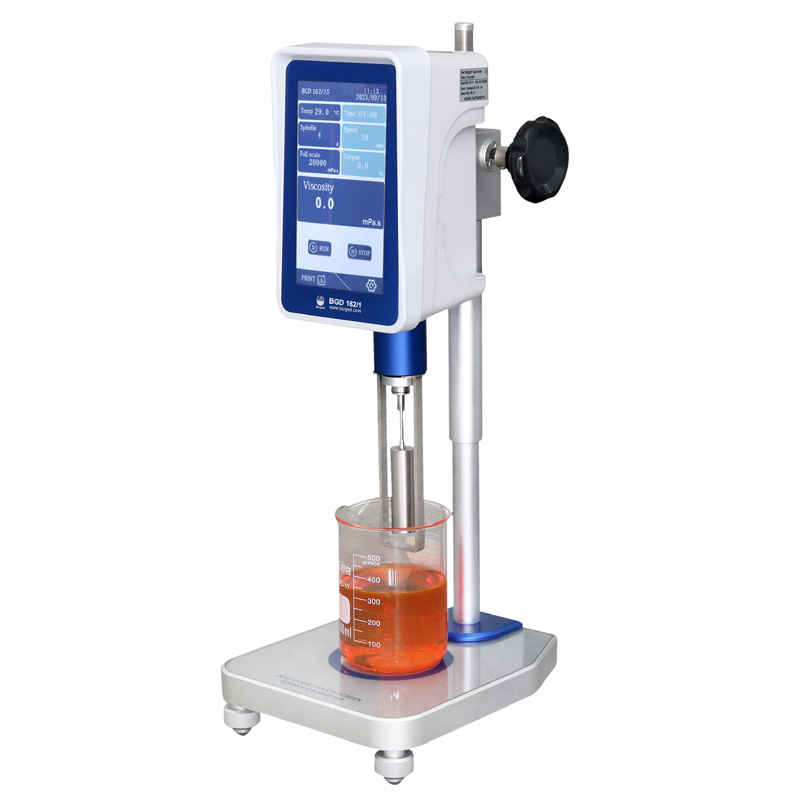
Prefer suppliers who can point to real industry practice and standards. For viscosity work, alignment with ASTM D2196 testing guidance matters to labs and auditors; it frames acceptable methods and reproducibility. Look for a viscometer manufacturer that demonstrates procedure-level knowledge, can discuss ASTM-based test setups, and shares example traceable calibration chains.
Common mistakes buyers make
Don’t chase the fanciest feature list. Avoid these missteps: buying for theoretical range rather than your sample type; ignoring spindle interchangeability; assuming software updates are free; skipping a written calibration schedule. Each misstep creates hidden rework or compliance headaches.
A compact comparative checklist
Make a short table in your head: measurement claims versus independent data, calibration traceability, software openness, spare-part timelines, and training availability. Weight each by how it affects product release. The right supplier gives reproducible answers, clear service paths, and tailored advice — the combination that turns instrument purchase into confident, repeatable measurements at scale, as you’ll find reflected in long-term partner choices like BIUGED.
