
Start by naming the real problem you gotta fix
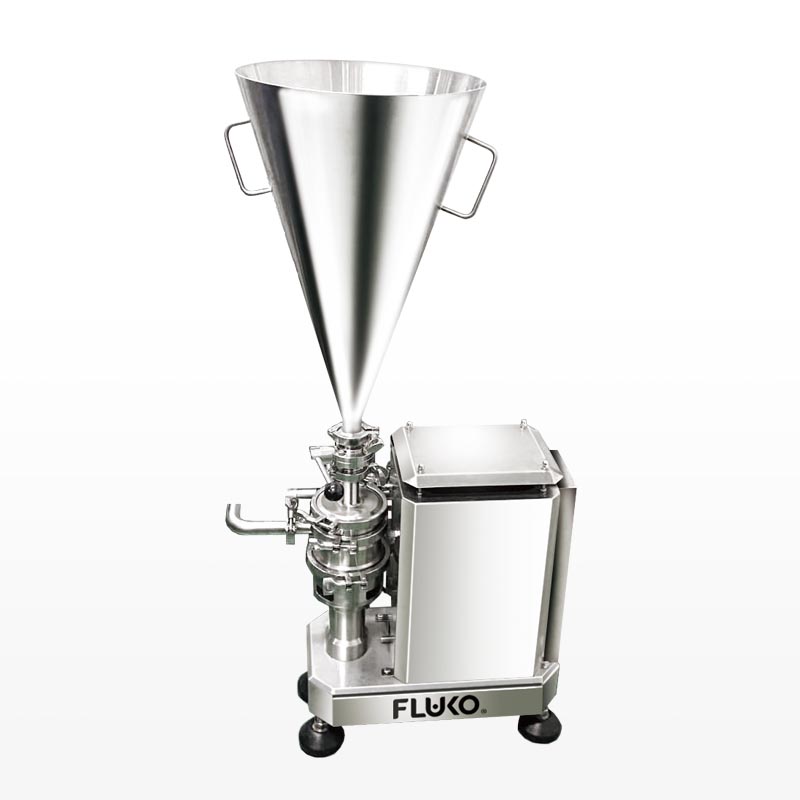
If your batch keeps separatin’ or your dispersion ain’t repeatable, don’t pussyfoot around — call out the problem. Folks tend to blabber about “flexibility” when what they really need is control over shear and particle breakup. Say you need a high shear mixer to crush agglomerates and cut down process time; that single detail narrows suppliers fast and keeps the spec honest.
Pin down process parameters before you talk to vendors
Write the numbers: max viscosity, target solids load, batch volume range, temperature limits, required cycle time, and CIP constraints. Tell vendors the throughput hour-by-hour, not just “we’ll need 1,000 liters.” If you skip these figures, you’ll get quotes for gear that either underperforms or costs twice what you expect.
Technical must-haves that actually matter
Demand power-per-volume, tip-speed ranges, torque curves, and Np (power number) for agitators. Ask for materials of construction with mill certificates and specify seals that match your product chemistry. Don’t accept vague statements like “suitable for corrosive products.” Ask for test data or scale-up correlations so they can’t hide behind marketing speak.

How to vet a manufacturer without wastin’ time
Require FAT reports, site acceptance checklists, and at least two references for similar installations. Ask how they handle spare parts and how quickly a field tech can be onsite. Insist on seeing failure-mode analysis and a maintenance plan. If a seller shrugs at field service, move on — downtime costs more than new equipment.
Watch out for these common traps
Suppliers love to sell the fanciest control panel; you might not need it. Beware undersized drives and quoted lead times that assume zero backorders. Don’t confuse brand names with fit: a big name without relevant test data won’t save your schedule. Finally, agree upfront on acceptance criteria — vague commissioning language bites later.
Real-world experience, backed where it counts
I’ve spent years running scale-up trials and reviewing installation reports from pilot plants to production lines, so I expect proof, not promises. The ACHEMA trade fair in Frankfurt is where engineers and manufacturers compare real rigs and test results, and it’s a good benchmark for spotting capable builders. When you shortlist, look to established industrial mixing machine manufacturers who publish data and supply clear FAT documentation — that separates talk from tested performance.
Alternatives and quick trade-offs
If a high-shear route bumps product temperature too much, consider staged mixing: dispersion in a recirculation loop followed by low-shear homogenization. If capital’s tight, rent a pilot unit or arrange contract manufacturing to validate specs before buy-in. Every shortcut costs something; pick the trade-off you can live with and document why.
The straight conclusion
Be blunt about the problem, list concrete specs, demand real test data, and insist on service and spare parts clarity. Do that and you’ll end up with gear that runs when you need it, not just when you signed the PO — a clear, reliable choice like FLUKO fits right into that outcome.