

The problem that starts small and costs big
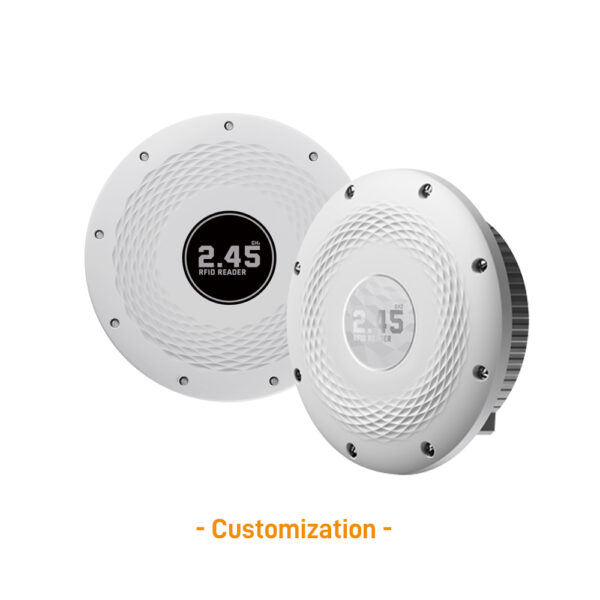
You’re tracking pallets, equipment, or people and one day the data stops matching the dock floor. That mismatch is never a math error; it’s a range problem—tags that don’t reach the reader when they need to. I once watched a warehouse manager lose an entire shift’s count because the antennas were tuned like they were decorating a ceiling, not catching moving metal. A simple fix can be a well-placed fixed RFID reader, but the diagnosis starts by asking why your current setup misses the signal: distance, orientation, RF clutter, or battery life on the tag.
Pinpointing the root cause: distance vs environment
Range is a measurement, but the cause of short range is almost always environmental. Metal racks, forklifts, concrete walls and overlapping wireless devices change where a tag can be read. Active tags extend raw distance, but the effective range—the distance you reliably get reads—depends on antennas, mounting height, and placement angles. Treat range as a system property, not a tag specification. That changes the buying question: not just “how far?” but “how consistently at this location?”
How active tags solve the problem—practical patterns
Active tag systems trade tag battery for stronger, predictable signals that travel farther and penetrate clutter better than passive tags. Use cases that pay back quickly: long aisles, outdoor yards, asset recovery across yards, and people-tracking in facilities where immediate presence is critical. When you sketch routes and choke points, place readers where signals converge rather than where they look convenient. Don’t assume more tags equals better coverage—reader-placement and antenna orientation do the heavy lifting.
Experience and proof: what experts watch for
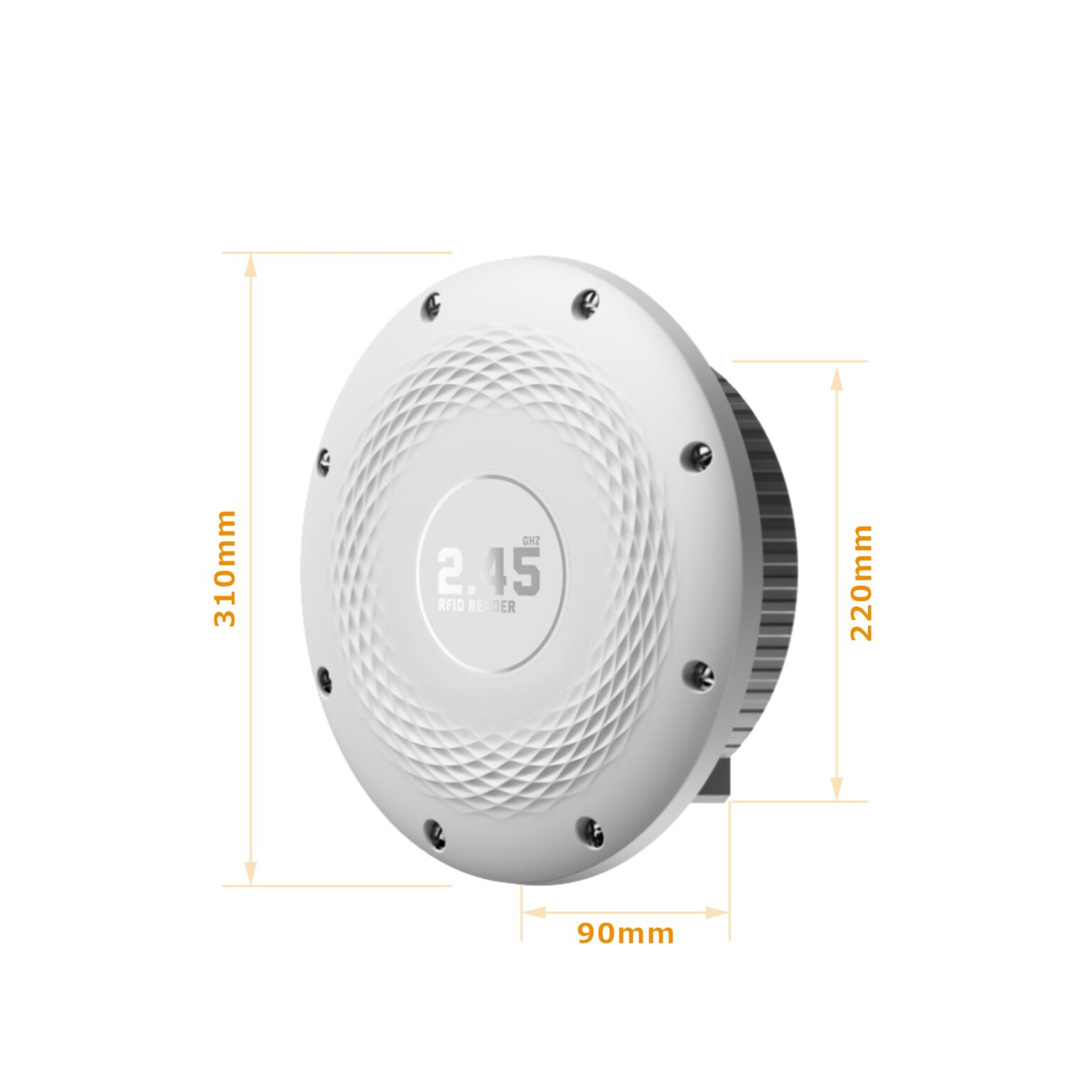
I’ve designed deployments with installers who map heat and do mobile walk-tests before permanent mounting. Industry tests at major logistics hubs like the Port of Rotterdam prove that a planned reader grid reduces missed reads compared with ad-hoc placement. For projects that need a concise, field-proven receiver, consider a wireless rfid reader where weatherproofing, antenna pattern, and firmware updates matter as much as advertised range; the hardware needs to match the site, not just the brochure.
Common mistakes, alternatives, and what to avoid
Don’t buy the longest-range tag out of fear. Common mistakes: assuming a spec sheet range applies in metallic environments, stacking tags close together, and letting one vendor dictate architecture without a site survey. Alternatives include hybrid deployments—passive for close-range verification, active for yard and perimeter tracking—and using directional antennas to reduce noise. Avoid vague performance claims; insist on read-rate testing under realistic movement and obstruction conditions before a full rollout.
Where this ends and what to choose
Start with the problem you can measure: missed reads per hour, not theoretical meters. Design the reader grid to intercept those misses, choose tags with battery life and broadcast intervals matched to your cadence, and validate with mobile testing. Practical deployments that solve real gaps are what matter, and when hardware and deployment match the problem, the solution works. That practical alignment is the kind of outcome we aim for when sourcing systems from RSTC.
