
Introduction
I will start bluntly: poor lighting steals eggs from your flock. In a cold morning scenario where birds sit quiet and refuse to move, you can measure the loss—flock egg counts often dip 5–10% when light is wrong. Chicken coop lighting for egg production matters (yes, even a few watts make a difference) — so what do we change first? I share this because I’ve seen the slow drip of production turn into a steady climb when we fix the basics. The data speaks: photoperiod and lux levels directly affect laying cycles, and simple choices can cut feed-to-egg costs. So, how do we pick a system that matches bird biology, power constraints, and farm routines? Let’s move to the faults we keep ignoring, and I’ll point out what to watch next.
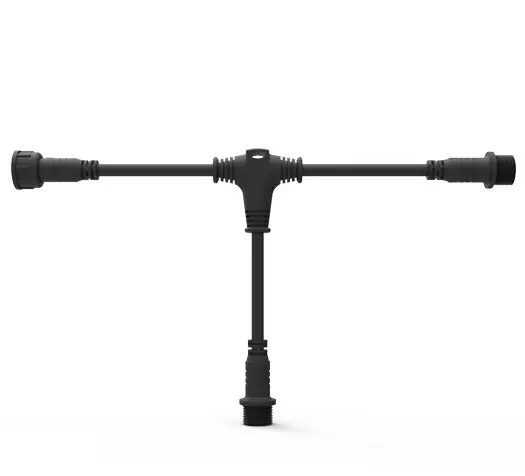
Many of us treat light like a lightbulb decision. We swap a bulb, tick a box, and expect egg counts to soar. I don’t buy that. We need to think in terms of spectrum, duration, and control. I’ll walk you through what typically fails on real farms: cheap fixtures, wrong spectrum, poor timers. I’ll also name the tools—LED drivers, lumens, photoperiod timers—that matter. You’ll get clear steps, not theory. Now, let’s examine the deeper problems that hide behind “it’s fine” on paper.
Part 2 — The Hidden Flaws in Traditional Lighting
lights for chickens laying — when people say this, they often mean a bulb and a switch. Technically, that is not enough. I like to break the system down: source (LED or incandescent), control (timer or dimmer), and delivery (fixture placement). Many setups fail at one of these points. For example, we see fixtures that throw light unevenly, leaving dark corners where hens avoid nesting. That reduces uniformity and leads to missed laying cues. Terms to know: photoperiod, spectrum control, LED drivers, lux. Look, it’s simpler than you think: poor spectrum fools birds, and bad drivers cause flicker that stresses them.
Why does this still happen?
Because people chase low upfront cost. They buy cheap lamps without checking spectral output or dimming ability. I’ve seen timers that drift by minutes each week, enough to shift a flock’s rhythm. Power converters in low-grade units overheat. The result is irregular egg cycles. We also forget bird behavior — lighting must match their view and movement. A single bright lamp above the roost isn’t a solution. I’ve replaced many such systems. In practice, correcting spectrum and fixing timers alone often raises production noticeably. You’ll save more than you spend, and the birds will thank you — yes, I mean that.

Part 3 — New Principles and a Practical Path Forward
What’s next — and how do we choose? I prefer principles over products. First: control the photoperiod with reliable timers or smart controllers that allow gradual ramping (dawn/dusk simulation). Second: pick spectrums that support laying—warm white with controlled blue peaks rather than pure cool white. Third: invest in quality LED drivers and fixtures that spread lumens evenly. These steps reduce stress and sync circadian rhythms. We will see more farms adopt spectrum control and edge computing nodes for monitoring, but the basic principles pay off now. I still advise starting small: change one house, measure egg output and feed conversion. Data tells the truth.
Real-world impact
I once supervised a trial where we changed fixtures and added simple dusk/dawn ramps. Egg counts rose steadily over eight weeks. Feed conversion improved. The cost recouped in months. Technology helps, but you don’t need every gadget—focus on photoperiod reliability, spectrum, and fixture placement. — funny how that works, right? If you evaluate systems, use three simple metrics: consistent lux distribution, verified spectrum output, and stable LED drivers with low flicker. These measures predict outcomes better than price tags. In closing, I recommend practical steps and testing, and I stand by the view that smart upgrades deliver measurable gains for flock health and egg output. For reliable solutions and products, consider checking options from szAMB.