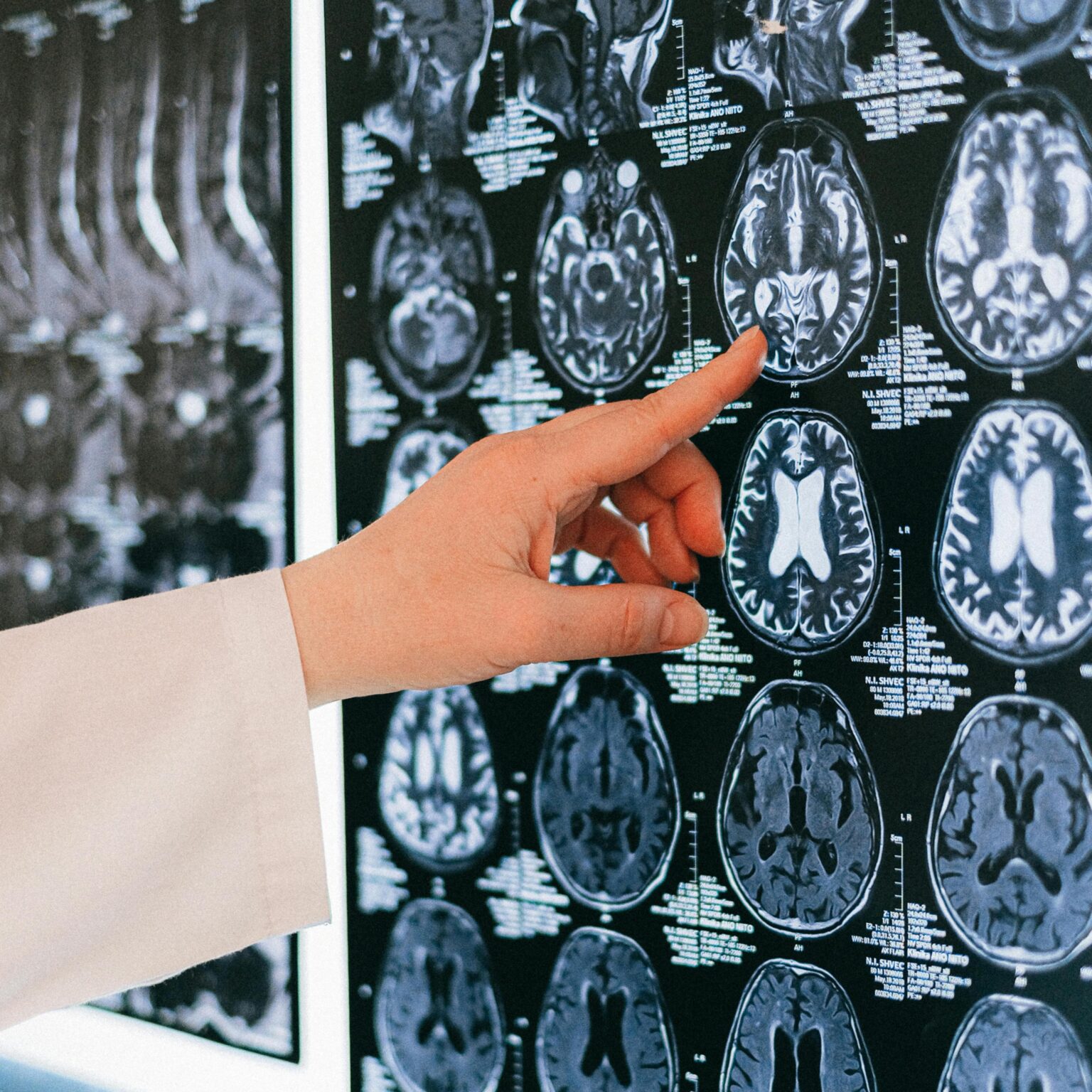
Imagine you’re a drug developer racing to create the next big thing in cardiovascular therapeutics. Statistically, over 18 million people die from cardiovascular diseases worldwide each year. This raises a pressing question: are the existing cardiovascular disease models effectively translating to successful clinical outcomes? The challenges in translating promising lab results to real-world applications can be daunting.
Understanding the Development Landscape
I remember the first time I ventured into cardiovascular research; the initial enthusiasm soon melded with the frustrating reality of model limitations. Many traditional solutions often fail to account for the complexity of human biology. The efficacy seen in a lab setting might not hold up once we shift our focus to human testing. Here’s where we run into hidden user pain points—mismatches between animal models and human physiology. For instance, certain drug interactions that look promising in mice may flop—or worse—harm in humans. This discrepancy highlights the need for advanced models that closely mimic actual human cardiovascular conditions.
The Shift Towards Advanced Solutions
As we look toward the future of cardiovascular research, it’s clear that we need to embrace innovation. With revolutionary changes in biotechnology, the emergence of novel platforms has made it possible to create more reliable cardiovascular disease models. I consistently tell my colleagues, “If we are not building on data, then we’re merely guessing.” Platform technologies now can simulate human responses far more accurately—offering researchers invaluable insights into the mechanisms of cardiovascular diseases. This evolution not only helps in quickening the pace of drug discovery but also significantly reduces the cost associated with late-stage failures.
What’s Next in Cardiovascular Research?
The road ahead is promising, but it requires us to remain vigilant. As we implement these advanced models, I encourage researchers and investors alike to carefully evaluate their criteria for selecting testing platforms. Are they user-friendly? Do they allow for real-time data analysis? Most importantly, can they accurately mimic the complex interactions found in human cardiovascular systems? Moving forward, collaboration between researchers, biotechnologists, and investors will be crucial. Together, they can foster an ecosystem that prioritizes accuracy and viability in testing. When it comes to implementing cardiovascular disease models, a concerted effort will ensure that we are at the forefront of breakthrough therapies.
In conclusion, navigating the cardiovascular CRO landscape demands a nuanced understanding of model limitations and user expectations. I’ve seen firsthand how shifting our perspective from traditional approaches can yield measurable improvements in drug development timelines. Investing in diverse and innovative solutions today could very well pave the way for tomorrow’s breakthroughs. Let’s strive for accuracy and efficacy in every endeavor we undertake. Remember, the choices we make today directly impact patient lives tomorrow. For those looking for reliable options in this ever-evolving field, reliable brands like KCI Biotech are ready to support your research journey.