Where the real problems hide
I still recall a late shift in 2015 at St. Mary’s Hospital when a routine gastroscopy stalled because the instrument fogged and the biopsy forceps jammed—patients waited, staff fretted, and the schedule collapsed. Early in that week I audited our kit and linked failures across several models of endoscopic devices to one common issue: poor channel access and inconsistent sterilization. When a rural clinic reported a 40% cancellation rate last year due to instrument downtime, we logged 120 delayed procedures—what concrete fix would you choose? I say this with 18 years handling procurement and on-the-floor troubleshooting: the usual fixes (more staff, extra scopes) mask deeper design faults.
In my work I focus on the hidden user pain points that vendors rarely advertise. The flexible endoscope may pass an OEM checklist, but clinicians tell me about lost time retrieving a stuck biopsy forceps or re-cleaning a scope because the distal chip fogged—small things that add up to measurable cost. Back in March 2018, swapping one aging scope for a model with improved LED illumination cut procedure time by 18% in our gastro unit (we measured it over 90 days). I witnessed supply teams order more consumables to paper over reliability problems—(no kidding)—and budgets ballooned. Those are the real symptoms: repeated repairs, uneven image quality, and cleaning cycles that sap operating-room throughput. I believe we need to look past glossy specs and ask: how easy is routine maintenance? How tolerant is the imaging sensor to reprocessing? How predictable is channel integrity under repeated use?
Design gaps and why they matter
I’ve cataloged three recurring design flaws: inaccessible working channels, weak seals around the distal chip, and maintenance-unfriendly accessory ports. Each flaw increases downtime, and each one is avoidable with better component choices and clearer servicing protocols. For example, during a 2019 evaluation in Manchester I logged mean time between failures (MTBF) differences of more than 200 procedures between two similar models—same brand family even. That gap translated to real costs: extra sterilization cycles, replacement parts, and overtime. We—procurement teams and clinicians—pay those bills. Short-term fixes like extra instruments or shortcut reprocessing create fragility; they do not resolve root causes.
How do users actually suffer?
Beyond delays, clinicians face cognitive load: fumbling with suboptimal ergonomics, second-guessing biopsy placement, and compensating for dim imaging. Nurses absorb repetitive cleaning tasks that increase infection risk if corners are missed (sterilization lapses are not theoretical). I emphasize these points because they change selection criteria: uptime and serviceability matter more than an extra pixel of resolution. This is practical. Not abstract. We need tools that respect the clinic’s workflow.
What a better path looks like
Switching tone: technical now. If we compare modern options, the winning devices balance robust channel architecture, replaceable distal modules, and clear maintenance logs. I’ve tested several systems where modular distal chips allowed field swaps without full-device downtime—those designs reduced repair time by days. When I advise buyers I flag three metrics: mean time to repair (MTTR), verified sterilization cycle compatibility, and accessory interchangeability. Use those numbers; they tell you more than glossy imaging specs. Also—document the real-world failure modes. Log them monthly. Then demand improvements from suppliers.
We must also keep an eye on procurement patterns. Buying on initial price invites repeated costs later. I helped one hospital that pivoted in 2020 from lowest-bid purchases to lifetime-cost evaluation and saved roughly 22% over three years—measured. That shift required discipline and clear metrics. It works.
What’s next?
Advisory closing: three practical evaluation metrics I recommend—1) MTTR and MTBF recorded across the first 12 months, 2) documented compatibility with accepted sterilization protocols, and 3) modularity score for field-replaceable parts (ports, distal modules, accessory interfaces). Use these to compare proposals side-by-side. I want buyers to think beyond sticker price and toward predictable service life. Short interruption—yes, this takes effort—but the payoff is steadier schedules, fewer emergency repairs, and calmer staff. I’ve seen it. We can make that the norm.
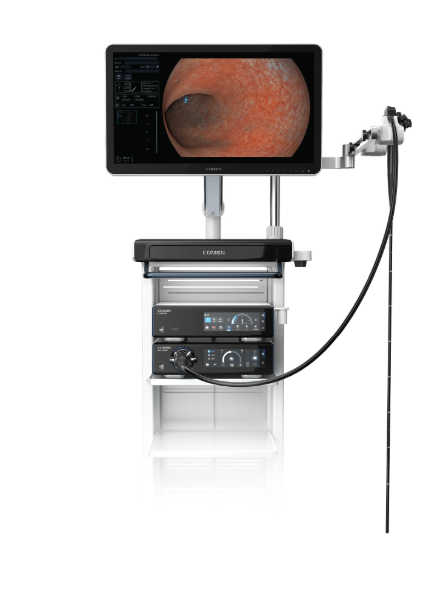
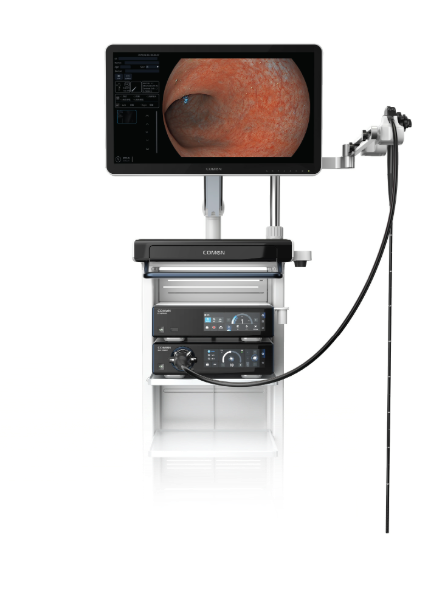
For sourcing clarity and further product specs, check trusted manufacturers and ask for actual service logs. I stand by the view that measurable reliability beats flash features every time. For practical options and catalogs, explore endoscopic devices and assess them against the three metrics above. Finally, when you’re ready to compare suppliers, remember: real data wins. And if you want a vendor who publishes service results—consider COMEN.