The problem: hidden costs and flawed fixes
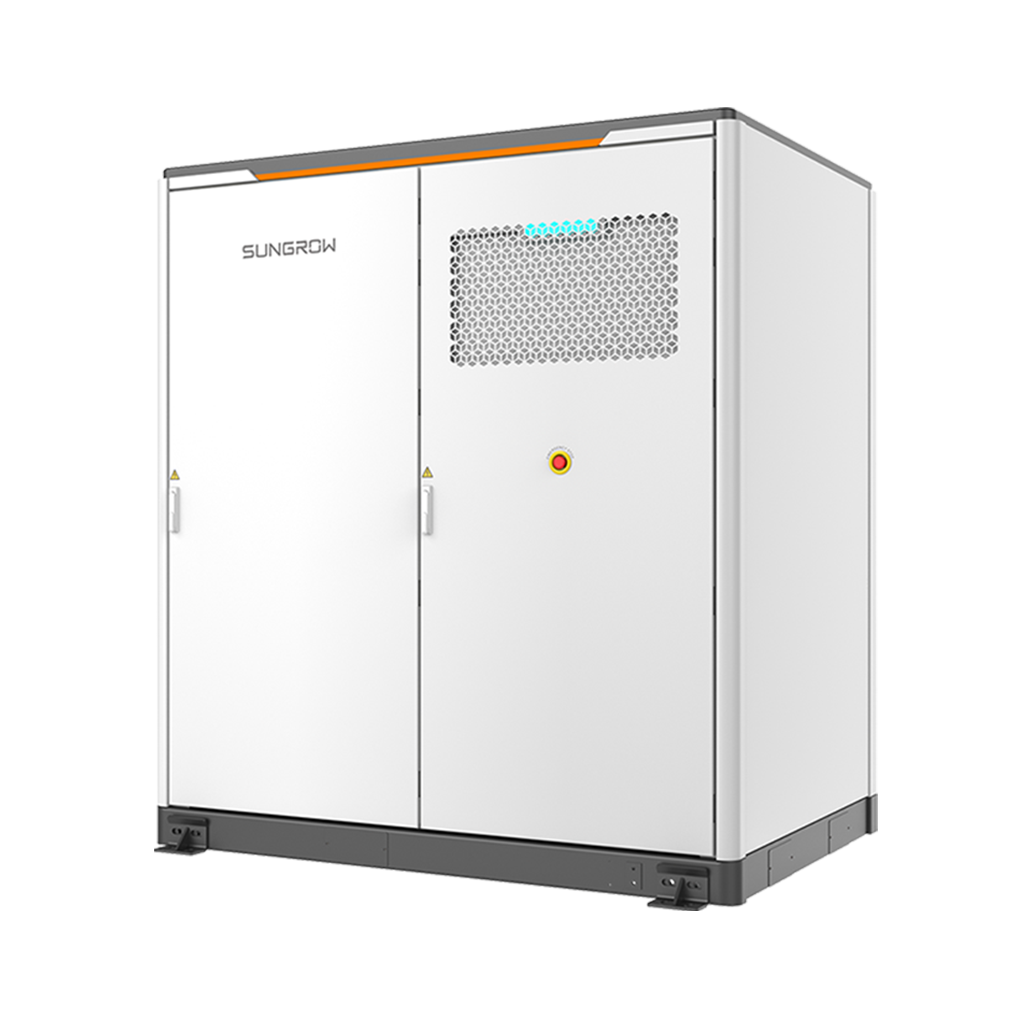
After a midnight outage at our Phoenix distribution center in November 2022, a single lost shift cost me $12,000—could a storage system have prevented that? I went straight from the loading dock to evaluating commercial battery storage systems, because that night exposed costs that weren’t on any line item. I’ve managed B2B energy deployments for over 15 years, and I’ve seen diesel backups, oversized UPS units, and manual generator swaps pretend to solve reliability while quietly bleeding margins (not a one-size-fits-all fix, no kidding).
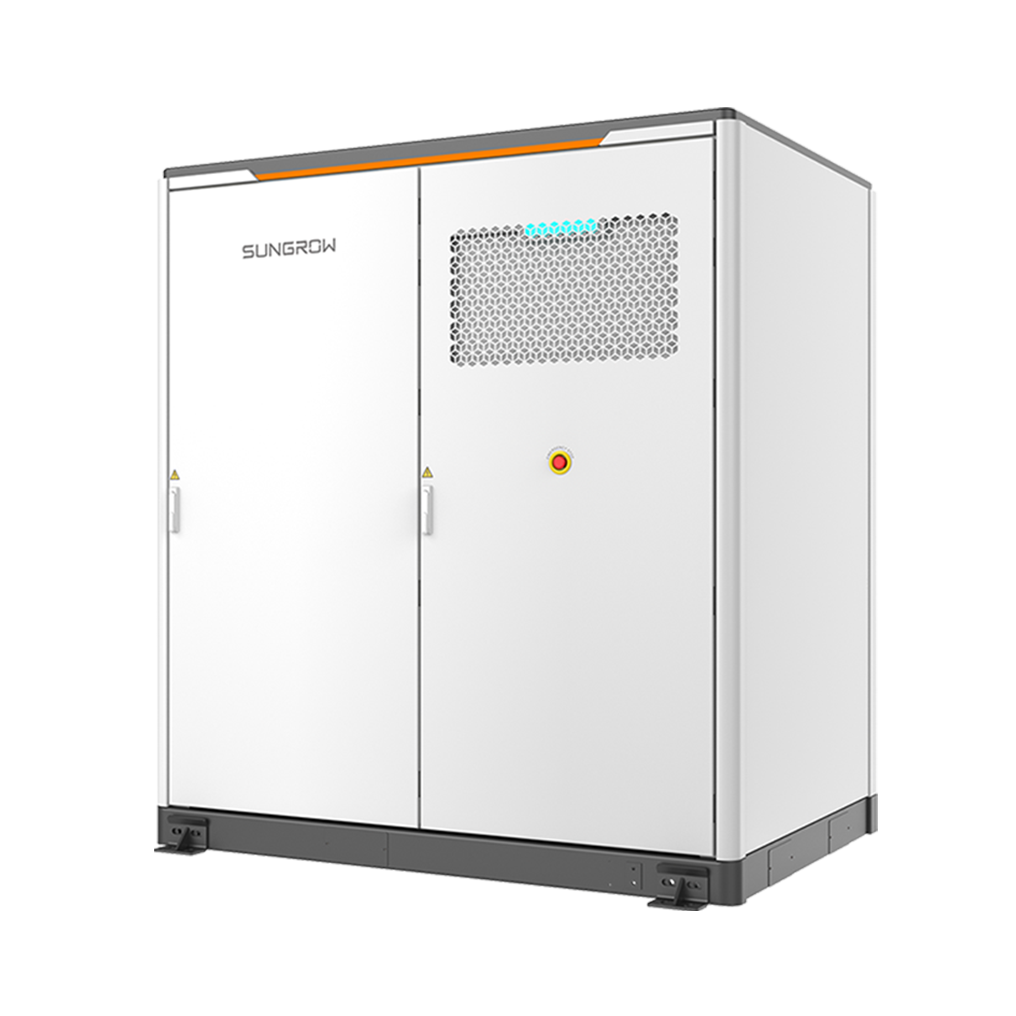
I’ll be blunt: traditional fixes hide three real flaws. First, maintenance and fuel logistics convert a backup into a recurring expense—one client I worked with in Q1 2021 saw maintenance eat 18% of expected savings. Second, poorly integrated systems ignore peak shaving and demand charge strategies—the math for demand charge reduction isn’t intuitive unless you watch interval data for a month. Third, legacy setups give you poor round-trip efficiency and slow response compared with modern inverters and modular battery blocks. I remember swapping a lithium-iron-phosphate (LFP) rack into a 500 kW site and watching demand spikes flatten within days; that concrete result changed stakeholder conversations. Let’s move to what a purposeful next step actually looks like.
Forward-looking design: from component choice to measurable outcomes
What’s Next?
Now we shift from “what failed” to “what works”—and I get technical here because details matter. Start with a control strategy that treats the system as a flexible asset: peak shaving, frequency regulation, and black-start capability can all be layered, but only if the BMS and inverter speak the same language. I recommend evaluating modular battery architectures (they simplify maintenance and scale), inverter response time (milliseconds matter), and round-trip efficiency—these three interact to determine real savings. When I audited a Midwest grocery chain in June 2023, swapping to a modular topology and retuning the EMS cut their monthly demand penalties by 22% within one billing cycle. Wait—there’s nuance: shorter payback on paper can hide lifecycle replacement costs; look at cycle depth and warranty structure, too.
Compare systems on operational data, not spec sheets. Run an eight-week simulation against historical interval data; if you can’t run a simulation, at least capture 15-minute loads for a month. Honest testing surfaces integration headaches early—honestly, I still test every inverter configuration on a bench rack before site deployment. You’ll find that some commercial battery storage systems integrate cleanly with your existing EMS and SCADA, while others demand custom middleware and additional CapEx. Short fragments. Long incentives.
Three practical metrics to choose wisely
Weighed against my on-site experience, I urge you to evaluate solutions by these three metrics: 1) Round-trip efficiency and usable capacity (how much of stored energy you actually dispatch); 2) Lifecycle cost per cycle including warranty terms (not just upfront price); 3) Control and integration readiness—BMS/inverter compatibility and support for demand-charge algorithms. Measure these with your site’s interval data and vendor test reports. If you apply this checklist to proposals you’ll avoid the usual surprises—reduced outages, clearer ROI projections, and fewer late-night calls. (Yes, the night shift will thank you.)
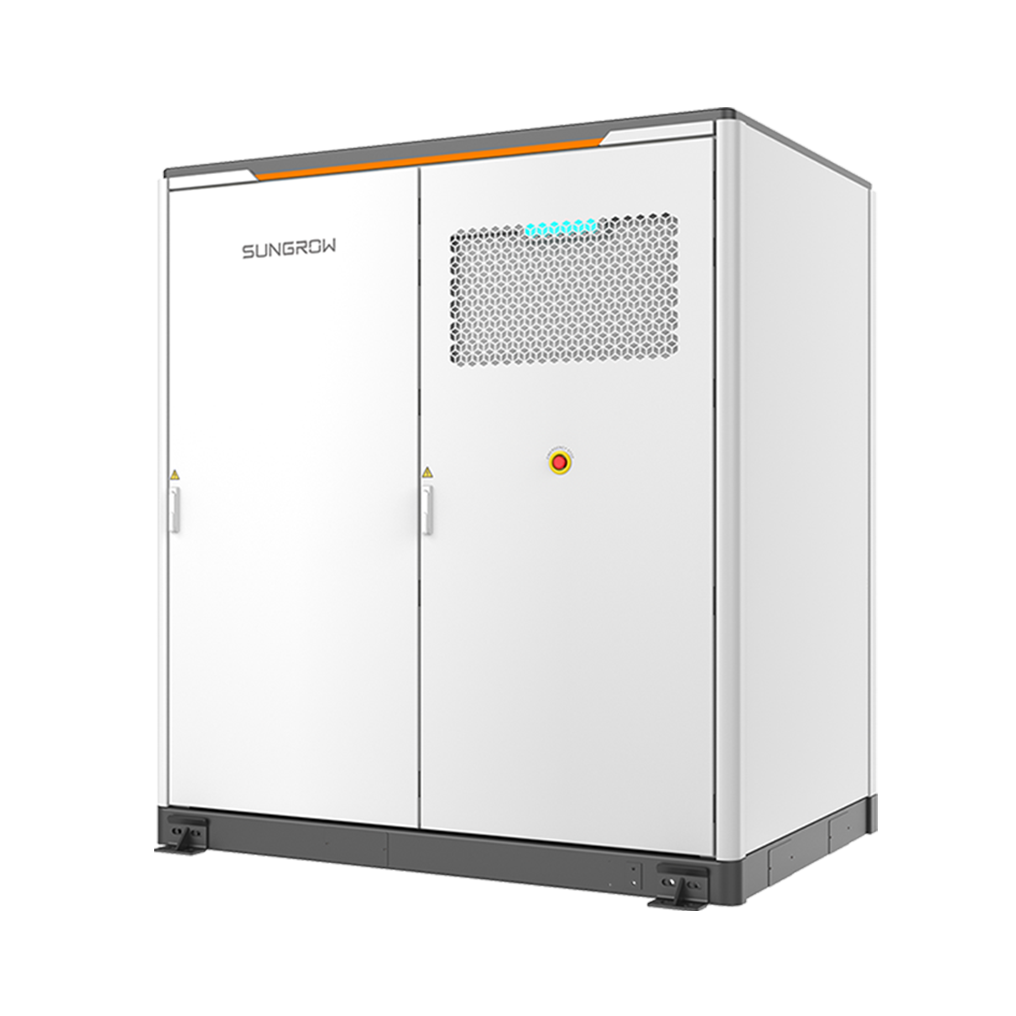
We’ve come a long way since diesel-first thinking; I’ve seen sites cut costs and improve uptime by pairing thoughtful design with real performance data. Decide with metrics, pilot small, scale modularly. For vendors, I still check firmware update cadence and local service presence—those operational realities win projects. For recommendations and procurement support, I trust practical partners who back performance with site-level evidence—sungrow.