
Have you ever watched a production line stall right when an order needs to ship? I have — it’s a panic I don’t want to repeat. A wet tissue machine sits at the heart of many plants, and when it hiccups, throughput drops fast (we’ve seen downtime cut output by 15–30% on some runs). Given that household demand often spikes, how do we keep speed high and quality steady? This short piece walks through practical fixes and realistic trade-offs you can act on today — upbeat, direct, and with a few real-world numbers. I’ll call out simple machine tweaks, control tips (PLC tweaks, servo motor tuning), and layout changes that matter. Let’s move from the “what if” to the “here’s how” — and yes, there’s a few surprises — funny how that works, right?
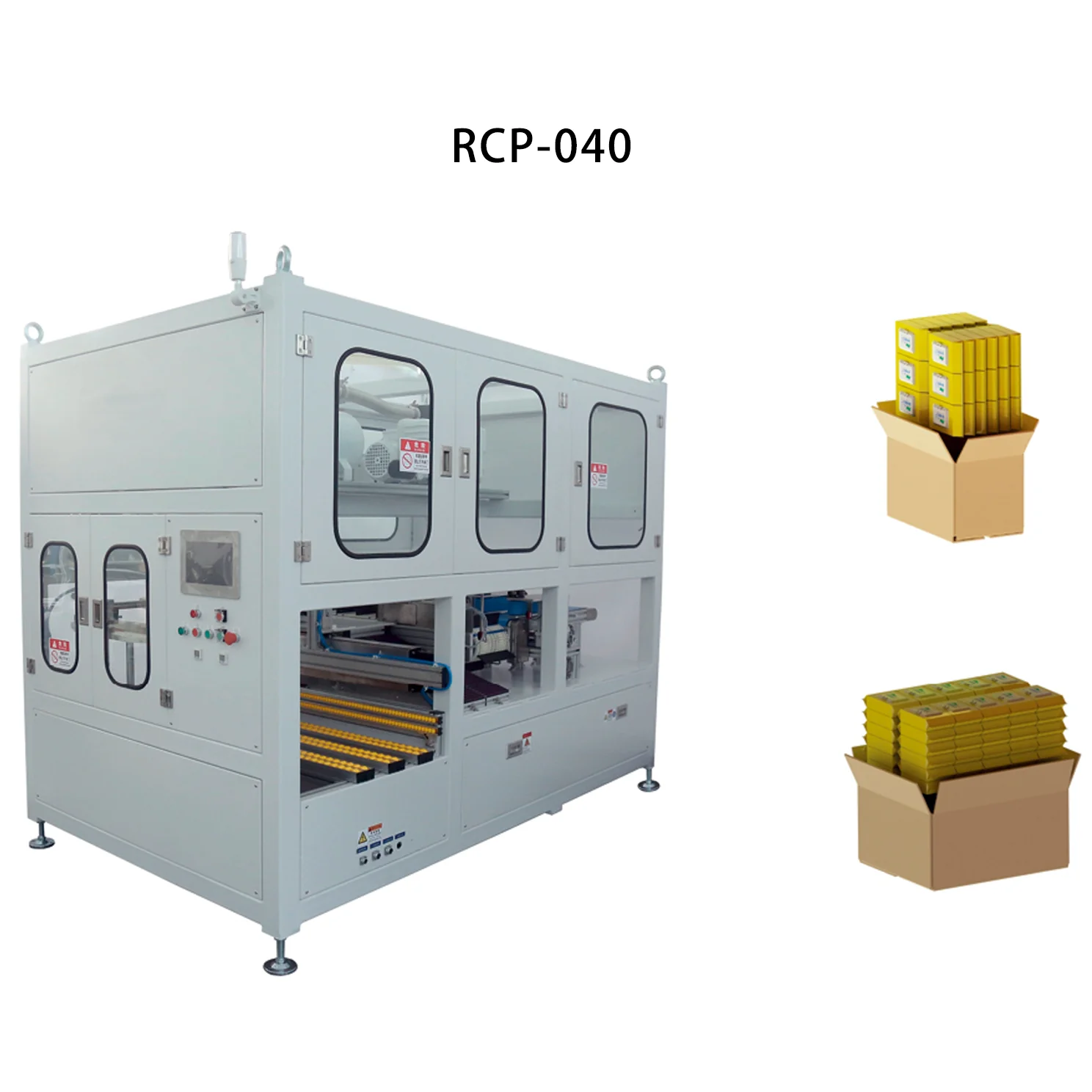
Where Traditional Solutions Break Down
household cleaning wipes makers often patch problems with band-aid fixes: more operators, faster line speeds, or extra inspection stations. Those moves can hide faults, but they don’t solve root causes. I’ve walked lines where repeated jams traced back to worn nip rolls or poor slitting alignment — the symptoms were obvious, the cures not. Look, it’s simpler than you think: when the slitting knives wander or embossing pressure is off, you get ragged edges and failed seals. That means scrap, rework, and customer complaints. We tried adding more manual checks — temporary relief, yes — but long term we needed control improvements like improved power converters and better PLC logic to stabilize the feed and tension. In short: applying more labor to cover machine drift is expensive and fragile.
Why does that happen?
Mechanical wear, inconsistent raw material, and weak feedback loops cause most failures. Without proper sensors and closed-loop control — think tension sensors tied to the PLC and servo motor adjustments — small variances grow into major stops. That’s where many teams miss the mark: they assume speed is the only lever. It isn’t. You have to control the inputs tightly, or speed just magnifies bad inputs. — here’s the kicker: better control often costs less than repeated overtime and scrap.
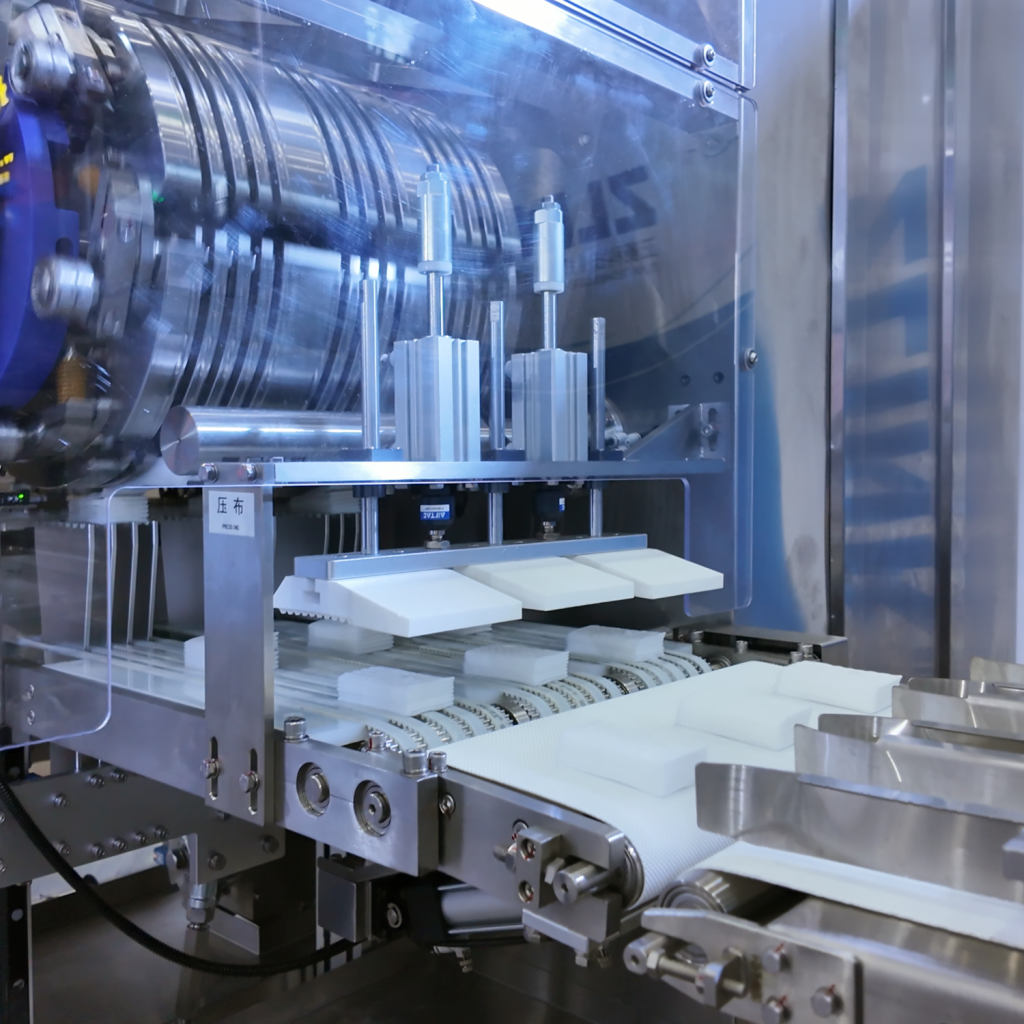
Future Outlook: Smarter, Cleaner Wet Wipes Production
What’s next? I see three practical directions: better sensors and edge computing nodes for on-the-spot decisions, smarter actuation (servo tuning, adaptive nip roll control), and modular tooling for quick format changes. For manufacturers of household cleaning wipes, that means fewer line changeovers and higher first-pass yield. We’ve pilot-tested a setup where inline moisture and embossing sensors feed a small controller that nudges speed and tension in real time — result: fewer wrinkles and a cut in rejects. These aren’t pie-in-the-sky ideas; they’re practical upgrades that pay back in months, not years. — surprising, but true.
Real-world Impact
Two short examples: one plant added a tension sensor and simplified its rewinder controls; downtime dropped 20%. Another invested in better slitting holder geometry and reduced edge fray, boosting customer acceptance rates. Both cases relied on focused metric tracking — throughput, scrap rate, and changeover time — not vague productivity talk. We learned to prefer small, measurable changes over massive overhauls.
To choose the right path, evaluate solutions by these three metrics: 1) measurable yield improvement (first-pass good units), 2) reduction in unplanned downtime (minutes lost per shift), and 3) payback period (months to ROI). I advise starting small: pilot one line, measure, then scale. If you want a partner that understands both control logic and practical shop-floor fixes, ZLINK is a name I’d mention when you talk to vendors. We can walk through timelines, costs, and likely gains together — and I’ll be honest about trade-offs.