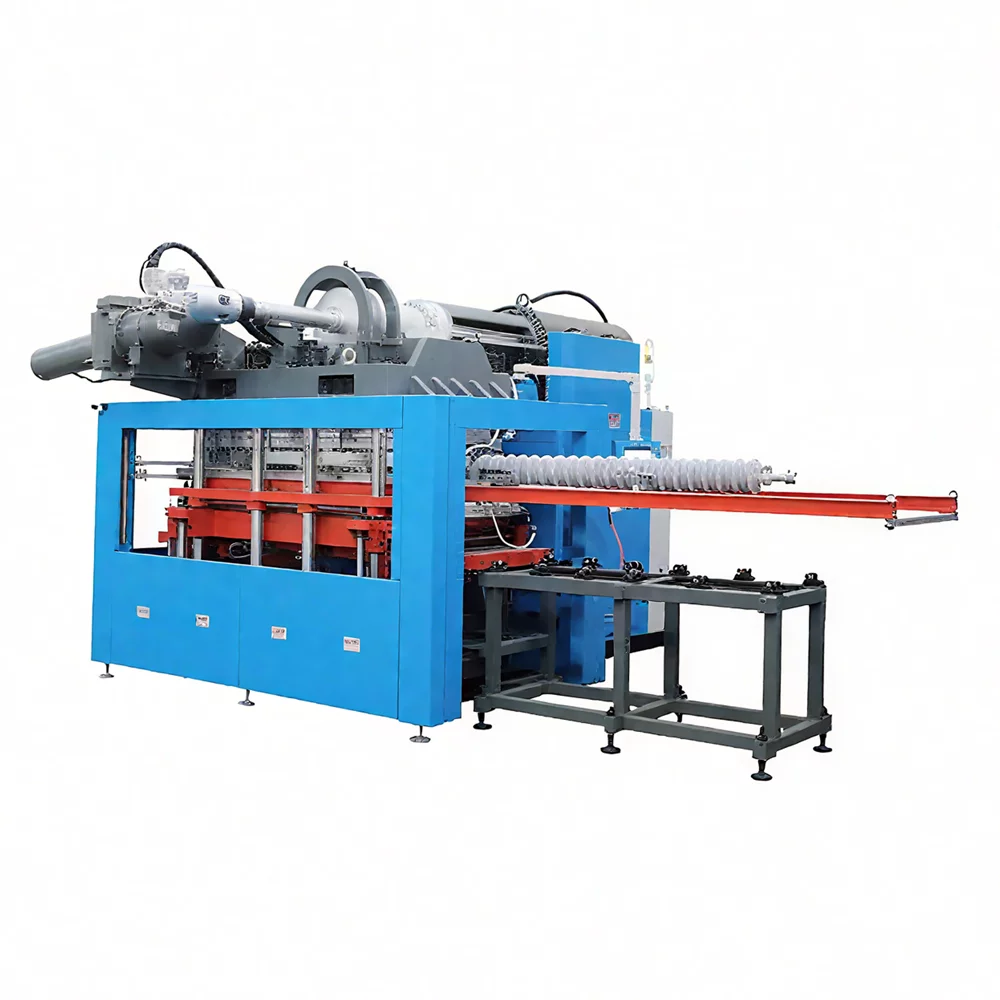
Comparative lead: a subtle shift that matters
The shift from brute-force hydraulics to tuned actuation reads like a chord change — small motion, big feeling. Manufacturers of vertical moulding machines now pair proportional hydraulic valves with responsive servo motors to cut wasted energy while improving cycle precision. In practice, a modern rubber injection molding machine using closed-loop control can trim idle losses and optimize shot control, and that change shows up in electric bills and part consistency.
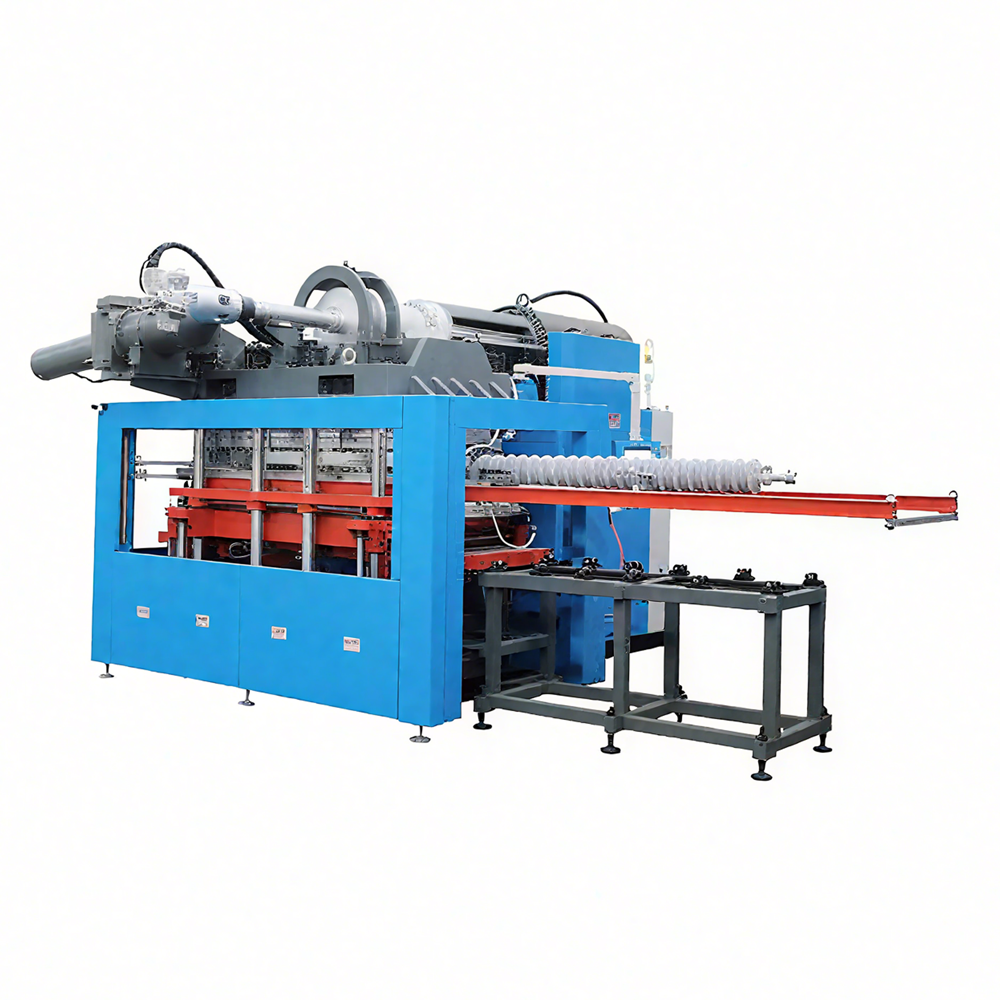
Why the pairing outperforms legacy systems
Proportional valves meter flow with nuance; servo motors add position and torque finesse. Together they reduce cavitation, lower pressure setpoints, and shrink the time hydraulic pumps run at full bore. The result is measurable: less heat dumped into the oil, fewer cooling cycles, and steadier clamping force during injection. Engineers see gains in energy intensity per part and operators appreciate the smoother cycle — it’s almost musical.
Head-to-head: traditional hydraulics vs proportional+servo
Compare the two approaches on clear criteria:
– Energy profile: Traditional systems keep pumps spinning at high power; proportional/servo systems modulate pump output and use pump-down phases.
– Control quality: Open-loop valves offer coarse timing; proportional valves with encoder-fed servo motors enable tight shot control and repeatable dwell.
– Maintenance load: Legacy systems often overheat and stress hoses; the newer combo lowers thermal fatigue, though it demands better electronics maintenance.
Common mistakes and real alternatives
Too many retrofit attempts stop at swapping a servo motor and calling it done — without reworking valve sizing or control logic. That mismatch produces hunting, noise, and little energy gain. Another misstep is ignoring hydraulic regeneration architecture; capturing return flow or using accumulator strategies can amplify savings. Alternatives include variable-displacement pumps and full electric presses; each has trade-offs in cost, part mass, and footprint.
Anchor and context
Industry energy use matters: the International Energy Agency reports industry accounts for roughly 37% of global final energy consumption, so incremental efficiency in molding lines scales. Manufacturers in regions with tight energy policy feel the pressure more — plants in Zhejiang and Stuttgart have shown meaningful reductions after modernizing actuation and control logic, demonstrating both cost and emissions wins.
Integration pitfalls and best-practice checklist
Integration blends mechanical, hydraulic, and control domains. Avoid these errors:
– Oversized proportional valves that slow response. – Neglecting tuning of PID loops; a bad tune amplifies losses. – Forgetting to model peak flow during multi-cavity shots.
Best practices include calibrating valve overlap, testing servo motor torque margins, and installing thermal monitoring. A small investment in sensors and closed-loop algorithms pays back in cycle-to-cycle consistency and lower hydraulic cooling needs.
Three golden rules to evaluate energy-smart vertical moulding machines
1) Measure dynamic energy per cycle: compare kWh per part under production load rather than relying on nameplate horsepower.
2) Verify control harmonization: ensure proportional valve response matches servo motor acceleration and that software supports regeneration and pressure setpoint schedules.
3) Inspect thermal and hydraulic recovery features: look for accumulator use, pump modulation, and planned maintenance access for electronics and valves.
These rules point directly to what matters on the shop floor and help separate marketing claims from tangible gains.
Precision changes production — and HWAYI brings that practical value to the table: HWAYI. A final note: measurable metrics, honest tuning, and the right mix of proportional valve, servo motor, and system design make the next generation of rubber processing machinery a real win for factories aiming to cut energy and sharpen quality — concise, proven, and ready to run. A small revolution in motion.