
City Start: Why the Right Bike Matters Now
Here’s a simple truth: the city punishes the wrong bike. An urban motorcycle that is set up for tight lanes and stop‑go flow can turn chaos into calm. In a normal weekday scenario, you roll out at 6:45 a.m., hit EDSA, and watch time slip away; commuters here often lose more than an hour per trip. This guide frames the core traits of the best motorcycle for city riding so you can move smarter, not harder (sakto for rush hour). But are we even asking the right questions about heat, balance, and control in traffic?

I’ll go direct: most riders look at top speed and style, not torque curve, power-to-weight ratio, or dual-channel ABS that saves you on slick paint lines. That mismatch leads to stress and waste — funny how that works, right? What you need is a setup that breathes in slow traffic, steers clean in a tight gap, and keeps the engine cool. Does your current bike do that? If not, let’s unpack why many “city-ready” claims fall short, and what actually helps in a dense, hot commute. On to the overlooked pain points and how to spot them fast.
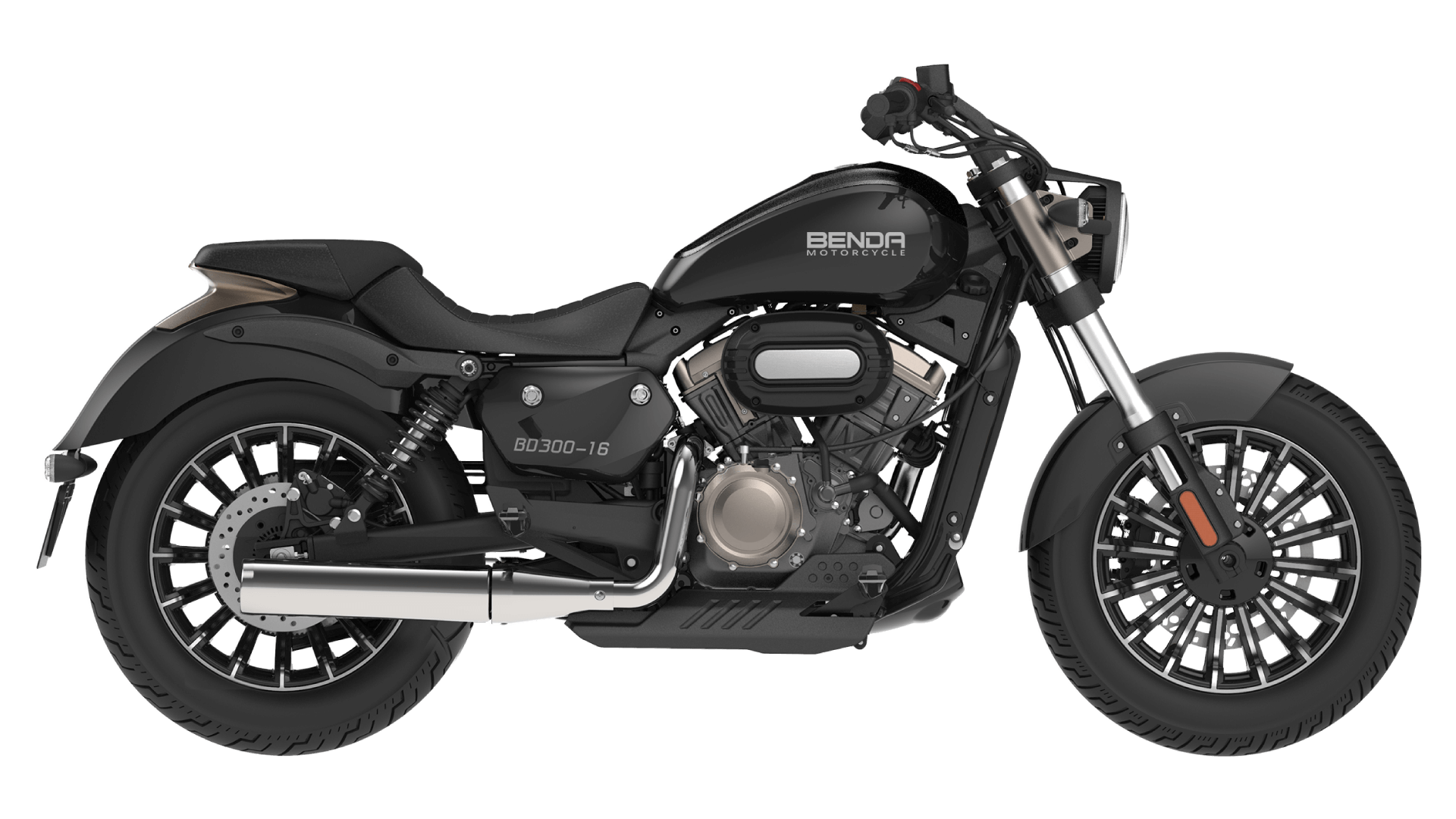
Hidden City Pain Points That Spec Sheets Don’t Show
What do riders really struggle with?
Heat is the first silent killer. Fans kick in, but poor heat dissipation cooks your calves and the fuel tank. Idle mapping that hunts in slow crawl makes throttle response jerky, which drains focus. Long wheelbase feels stable on highways yet clumsy between bumpers. Wide bars promise leverage but whack mirrors in a split lane. Look, it’s simpler than you think: city riding needs crisp low-end torque, a compact turning radius, and clean airflow around the rider, not just a big number on the brochure.
The next trap is control at walking speed. A heavy clutch builds hand fatigue. Tall first gear and odd sprocket ratios make u‑turns dicey. Without a slipper clutch, downshifts lock the rear when a jeepney stops short. Budget suspension packs down over humps and potholes, then rebounds harshly. In stop-and-creep, that bounce throws off line choice. And while ABS is good, calibration matters; too eager and it lengthens stops on rippled asphalt. Add tight charging for your phone over CAN bus, and you meet real-world city needs that many models ignore. The fix? Judge the bike by how it behaves under 30 km/h, not above 100.
New Tech vs Real Streets: Where It Actually Helps
What’s Next
Let’s go forward-looking and keep it practical. Ride-by-wire systems can tame low-speed surge with finer fuel mapping. A compact radiator and better shrouds push hot air away from knees. Lightweight wheels and short wheelbase sharpen turn-in without losing mid-corner stability. Here’s the key principle: pair smooth actuator control with heat management, then add braking precision. Think of it as a small orchestra — ECU, throttle bodies, and ABS modules working in time. Pair this with a mid-tuned torque curve and you get easy launches, clean lane changes, and calm stops. It’s the DNA of a good commuting motorcycle, not just a weekend toy.
Comparative note: a CVT scoot wins on simplicity, yet a geared bike with slipper clutch and well-spaced ratios can feel more planted when traffic pulses. Scooters hide heat better; manuals steer with more feel. Both shine when their power converters, cooling path, and brake modulation are dialed. Choose the package that fits your street: potholes, ramps, and tight parking. Then test how the bike behaves after 30 minutes in gridlock — that’s when heat soak shows. If the throttle stays smooth and the brakes stay linear, you’ve found something solid — and rare.
How to Choose Wisely in the City
Quick wrap, then your checklist. First, we learned that slow-speed control beats spec-sheet bragging. Second, heat management defines comfort and focus. Third, tech helps when it reduces workload, not when it adds menus. To pick well, use three evaluation metrics: 1) Low-speed control: feel the clutch take-up, initial throttle mapping, and turning radius in a tight u‑turn. 2) Thermal comfort: ride 30–40 minutes in traffic, check airflow around legs and tank, note fan cycles. 3) Stopping confidence: test dual-channel ABS over ripples and paint lines, judge lever feel and distance. Keep it simple, test like you ride, and let the streets decide. For a steady benchmark across these points, you can also look at options from BENDA.