
Introduction
I once watched a workshop where a kid turned a simple fan into a tiny, temperamental weather system — it hummed, it sighed, it decided when to cool the room. In that same breath, an electric motor on an assembly line can already sense a shift in load and try to adapt (small miracles, right?). Data shows factories that add basic sensing can cut downtime by roughly 20–30% in the first year, and yet most systems still run on blunt rules. So I ask: what truly changes when motors begin to decide, rather than just obey? This piece opens that door — follow me as we pry it wider.
Deeper Layer: Hidden Flaws and User Pain Points
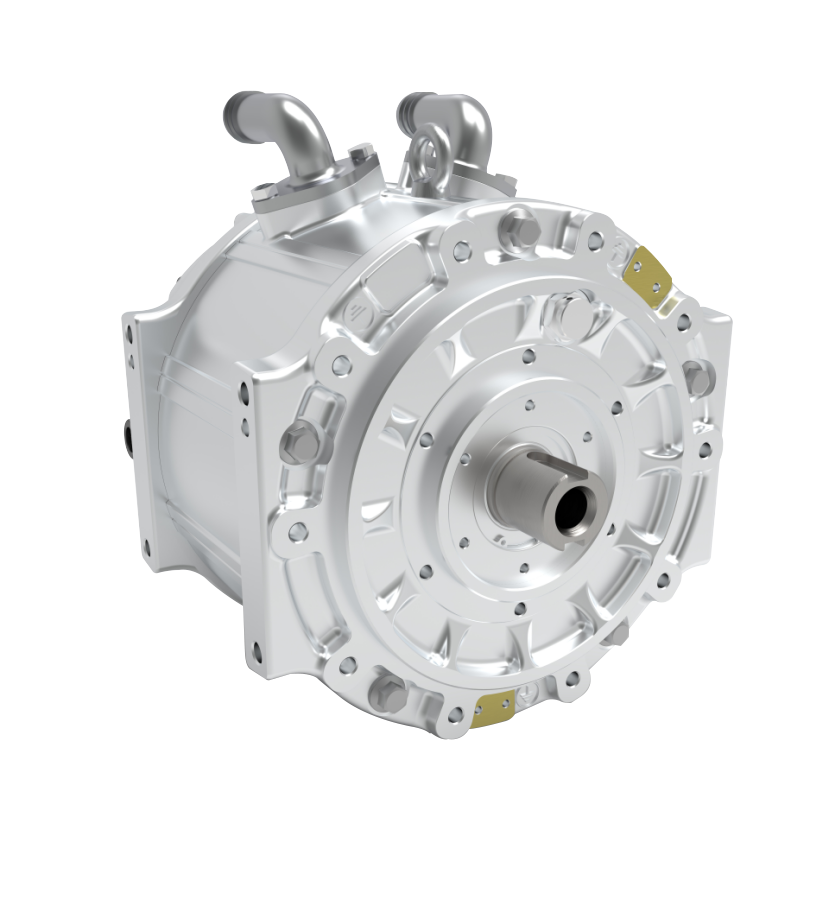
Now, let me be blunt — the charm of modern drives masks a handful of stubborn problems. When engineers choose a permanent magnet synchronous motor because of its efficiency and power density, they often assume the rest will just fall into place. But in practice, field-oriented control loops can be brittle. Torque ripple shows up when sensors misread transient loads; inverters and power converters heat up unevenly; maintenance crews brace for sporadic stalls. I’ve seen systems where a single mis-tuned parameter in the control algorithm cost a week of throughput. Look, it’s simpler than you think — these are not mystical failures but predictable friction points.
Why do these flaws persist?
Two reasons. First: designers favor peak specs over operational resilience (we chase high rpm and ignore transient torque behavior). Second: users trade observability for cost — fewer sensors, fewer diagnostics. That leads to hidden pain: unpredictable maintenance windows, sudden efficiency drops, and long troubleshooting hunts. I feel the frustration of operators; they want clarity. Add a few industry tools like thermal sensors, inverter logs, and remote telemetry — and many issues fade. — funny how that works, right?
Forward-Looking: New Principles and Practical Outlook
Here’s where I get optimistic. New approaches blend smarter control with practical hardware changes. For example, adaptive control algorithms that combine sensor fusion with conservative safety margins can reduce torque ripple and extend bearing life. Edge computing nodes placed near the drive let us run light-weight diagnostics and preemptively adjust power converters before faults escalate. In one pilot I reviewed, adding a modest local controller cut reactive maintenance calls by nearly half. These are not sci-fi tweaks; they’re practical engineering steps.
What’s Next?
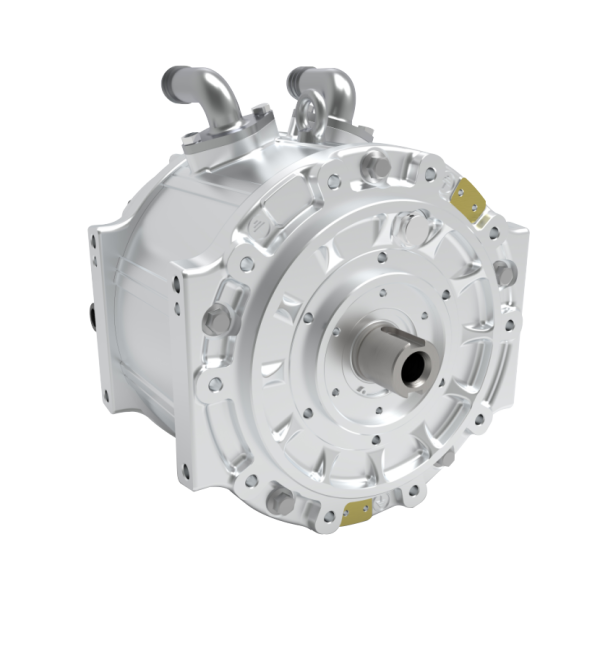
We’ll see more compact brushless motor integration (yes — the same brushless motor architectures used across robotics) with smarter inverters and simpler wiring harnesses. That lowers installation friction and helps diagnostics travel with the motor, not disappear into an obscure control cabinet. I can already hear field teams breathe easier. The future is about pairing reliable hardware with readable software — and making sure operators can understand both. — and that means better uptime, clearer actions, and fewer surprises.
Practical Takeaways and How to Choose
We’ve walked from a workshop anecdote to the heart of design pain and then forward into solutions. If you’re evaluating upgrades, I recommend three clear metrics to guide decisions: 1) diagnostic coverage (does the system expose inverter and sensor logs in real time?), 2) adaptive control capability (can the controller modify field-oriented control gains based on load?), and 3) thermal and torque resilience (how does the drive handle short bursts and cooling limits?). Measure these, and you’ll pick systems that actually lower costs instead of hiding problems. I say this from experience — we’ve learned to value clarity over flash.
In short: insist on observability, favor modest intelligence at the edge, and don’t let peak specs blind you to day-to-day robustness. If you want partners who understand both the motors and the real-world headaches they face, check out Santroll.