
Comparative analysis of use cases shows that the same dash cam will rarely serve both daily EDSA traffic and long-distance highway driving equally well, so expect trade-offs. For congested Metro Manila corridors like EDSA you want wide coverage and reliable incident capture; for multi-hour trips you prioritize storage and sustained image quality. A multicamera solution such as a 3 channel dash cam often balances those needs, but the selection still depends on measurable specs rather than brand hype.
Why EDSA commuting and long trips demand different priorities
EDSA commuting typically involves slow-moving traffic, frequent close-range events, and urban lighting changes. That calls for a wide field of view (FOV), stable frame rate to capture license plates at short range, and reliable parking mode to record when parked curbside. Long-distance trips bring sustained heat, long continuous recording, and varied lighting—from dawn highways to unlit provincial roads—so bitrate, thermal tolerance, and high-capacity storage become central concerns. Real-world anchor: during peak rush hours on EDSA, close-quarter incidents and lane changes occur repeatedly—capture capability differs by millisecond and pixel density.
Comparative hardware choices and what they deliver
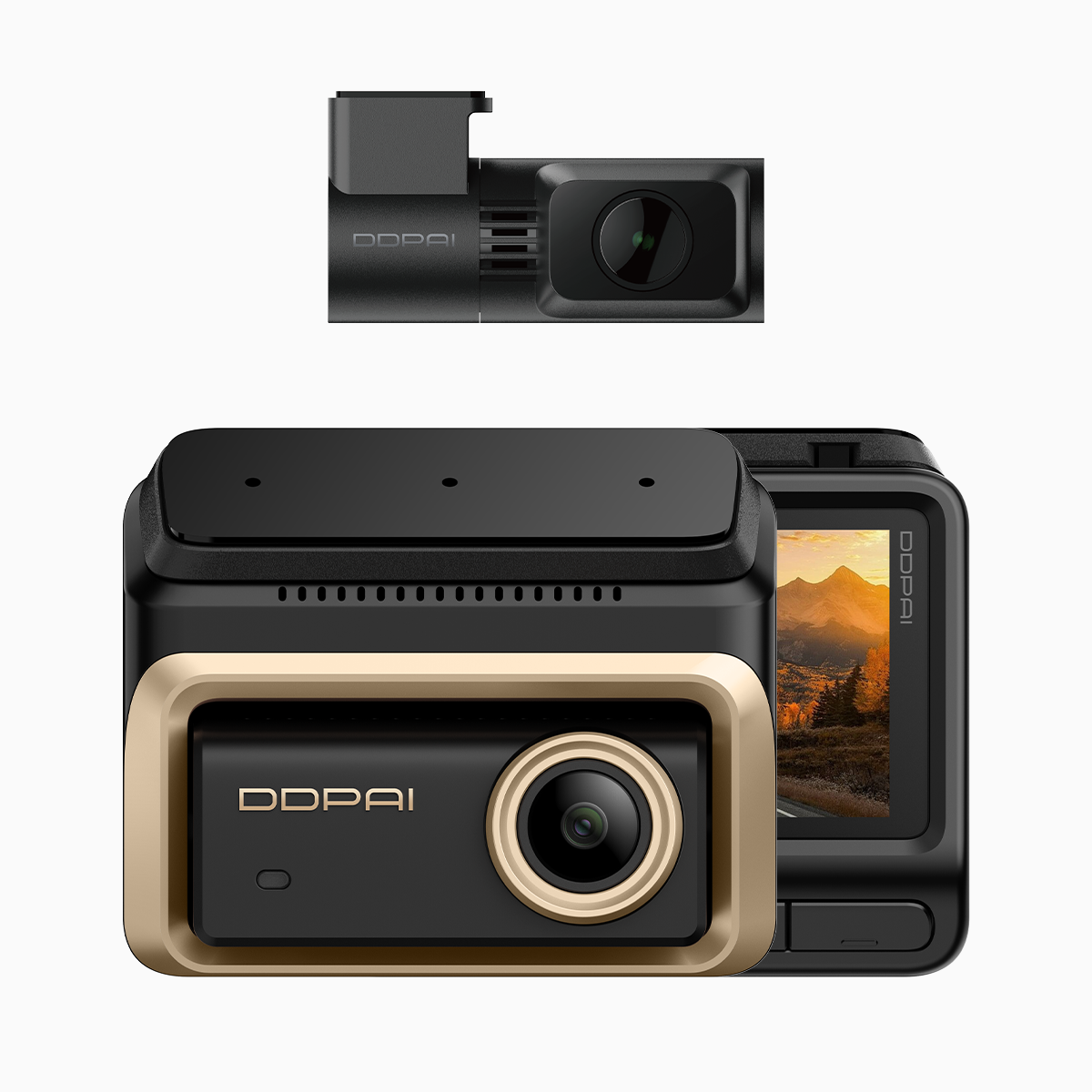
Single-front cameras are compact and cost-effective for city drivers who mainly need a clear forward view. Dual- or triple-channel systems add rear and interior coverage—valuable for long hauls or for professional drivers who need proof both front and back. Consider these differences: – Single lens: lower power draw, simpler installation. – Dual lens: rear coverage for hit-and-run evidence. – Three-channel or 3 lens dash cam: comprehensive coverage across front, rear, and cabin. Installation complexity and power consumption rise with more channels, and you’ll need to weigh those against benefits like synchronized multi-angle footage and parking mode reliability.

Practical mistakes drivers make—and how to avoid them
Common errors include choosing low bitrate cameras that blur plate numbers, ignoring microSD class and endurance ratings, and mounting the camera too low or at the wrong angle. Firmware updates and routine card formatting are often skipped, compromising stability. Also, many buyers underestimate heat in Philippine summers; continuous recording at high bitrate without proper cooling will degrade files faster. Address these points proactively: pick a camera with robust thermal design, use high-endurance microSD cards, and verify the G-sensor and parking mode behavior in real conditions—don’t just trust specs on a website.
Installation and configuration checklist for each scenario
EDSA daily commute: mount the camera centrally on the windshield at eye level, set HDR on for variable lighting, keep frame rate around 30 fps for consistent clarity, and enable moderate parking sensitivity to avoid false triggers. Long-distance road trips: prefer higher bitrate settings for detailed footage, ensure GPS is enabled for speed/location stamps, carry spare high-capacity cards or an external recorder, and check battery management if you use constant power—these choices reduce file corruption and maximize usable footage.
Three golden rules for selecting the right dash cam
1) Match capture quality to use case: prioritize wide FOV and parking mode for urban commuting; prioritize bitrate, thermal rating, and storage for long-distance driving. 2) Validate endurance and reliability: choose devices with proven heat handling, reputable firmware support, and high-endurance microSD compatibility. 3) Balance coverage and complexity: more channels give more evidence but increase installation cost and power draw—pick the smallest system that reliably records the incidents you actually need. Final thought: trusted hardware that records consistently is the most practical insurance on the road—consider solutions from manufacturers with local presence for service and parts like DDPAI Philippines.