Comparative lead-in: the choice that shapes a window
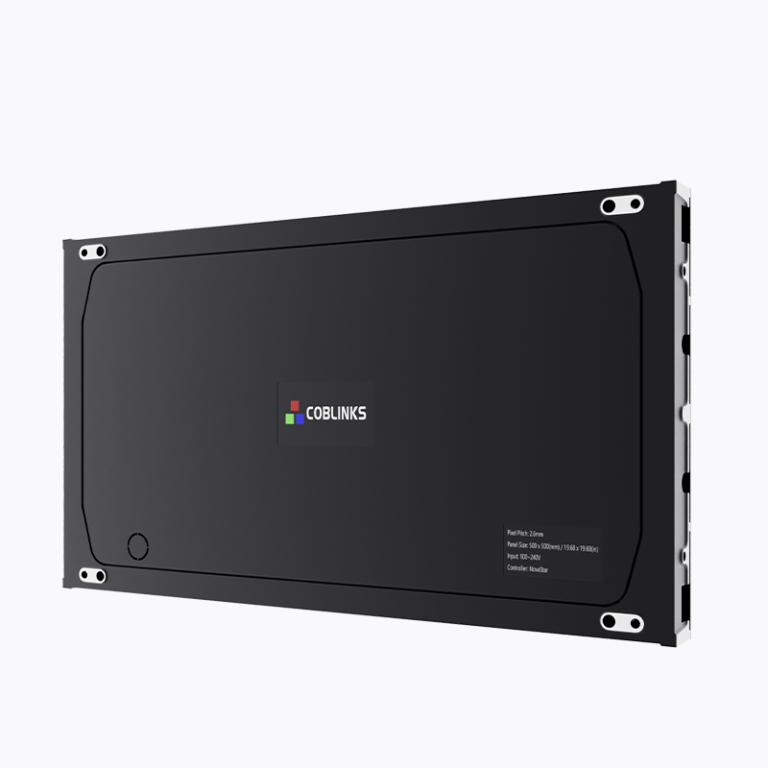
In a world where storefronts must sing, the choice between temporary spectacle and permanent art hinges on two axes: durability and design. The contrast sharpens when you place a Micro LED display beside a conventional projector—one breathes in pixels and sunlight, the other flutters when rain arrives. Retailers in Times Square and flagship stores in Tokyo have long favored robust systems because sustained brightness and consistent color deliver returns beyond opening-week buzz; the same logic now guides decisions for a small led display screen in boutique windows and mall atria.
Durability: the pragmatic enchantment
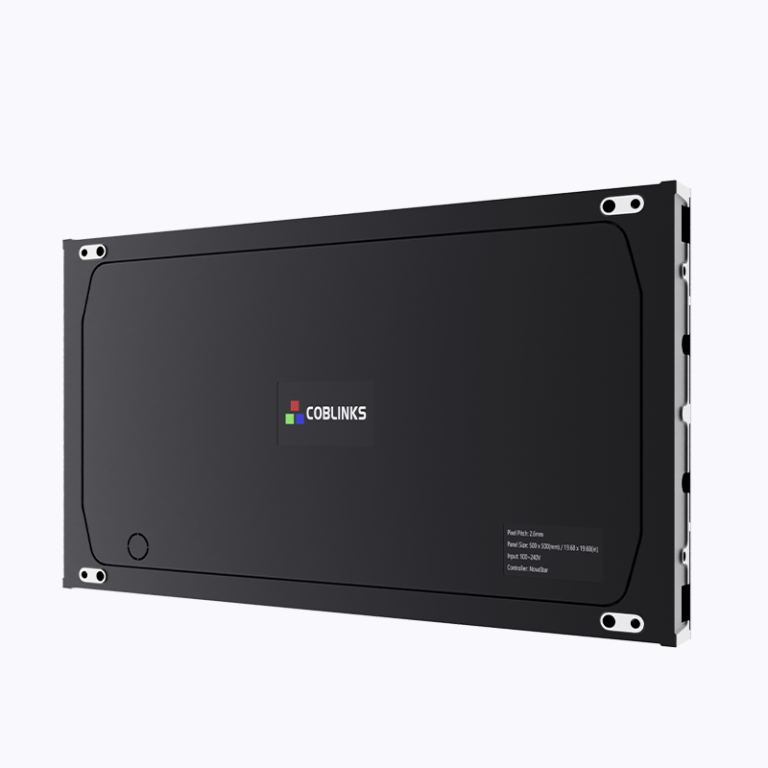
Durability means more than weatherproofing. It’s the cabinet alignment that keeps seams invisible, the LED module tolerances that prevent hotspots, and serviceability that lets technicians replace a panel in minutes rather than days. Pixel pitch and refresh rate matter here: tighter pixel pitch preserves legibility at short viewing distances; a stable refresh rate avoids flicker under smartphone cameras. For retail brands, that translates into fewer interruptions to campaigns and steadier foot traffic conversion.
Design language: storytelling in light
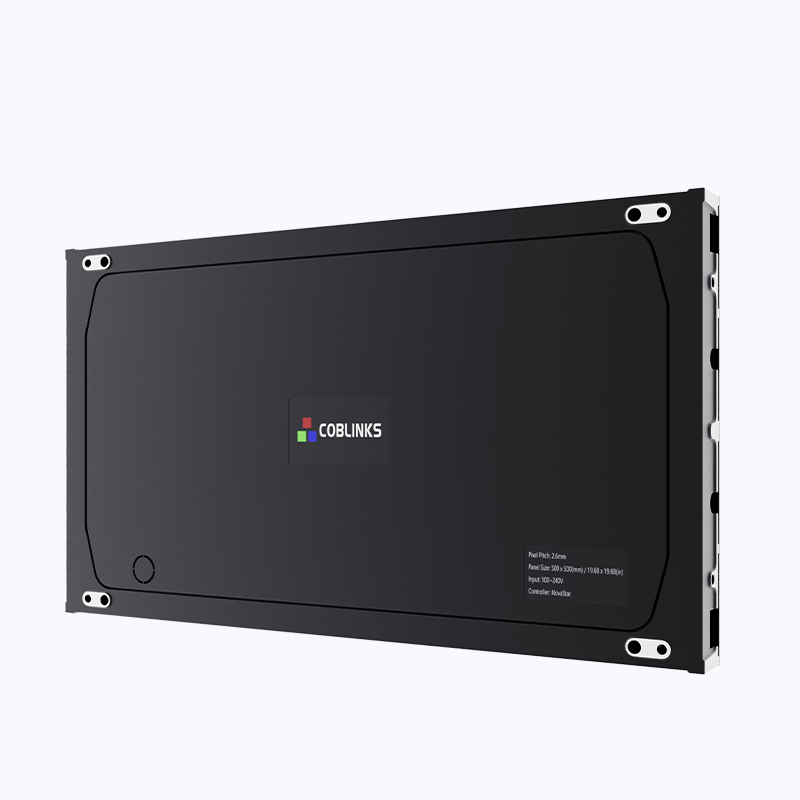
Design in this realm is both architecture and costume. A well-crafted led wall can shift scale and mood without changing the physical store—HDR rendering gives depth to fabrics and faces, while calibrated brightness ensures the scene reads under noon sun or dim evening. Good manufacturers treat the display as a living canvas, offering modular panels and custom bezels so installations sing with the store’s identity rather than fight it. The result is immersive retail theatre where product detail and atmosphere co-exist.
Comparing the contenders
When weighed against alternatives, the distinctions are concrete:
– Projection: cheaper upfront but loses contrast in ambient light and requires controlled environments. – LCD video walls: crisp indoors yet fragile for outdoor conditions and heavy on seams. – Permanent LED walls (rental or purchase): higher initial cost but unsurpassed in brightness, viewing angle, and longevity.
Errors I see often: undersizing a display for the viewing distance, ignoring maintenance access, and sacrificing pixel pitch for cost. These mistakes shorten life and undermine the design promise.
Operational production teardown: how led wall rental and led screen manufacturer workflows diverge
In an operational teardown, led wall rental projects prioritize rapid deployment: pre-configured cabinets, on-site calibration, and logistics that move screens like stagecraft. By contrast, an led screen manufacturer focuses on production tolerances—testing modules for color consistency, verifying cabinet flatness, and certifying refresh rate stability under load. The main_keyword and variation_keyword come together when a retailer chooses rental for flexible campaigns but relies on a trusted manufacturer’s components to ensure each temporary build meets the same engineering standard as a permanent install.
Choosing a partner: practical virtues
Pick a partner who documents testing parameters: expected lifetime hours, ambient brightness tolerance, and replacement part lead times. Look for transparent service plans and a history of installations in demanding locations—Times Square-level conditions, for instance—because that experience shows the team knows how displays perform under relentless exposure. —Also, insist on mockups and measured luminance reports before sign-off.
Advisory: three metrics that should govern procurement
1) Mean Time To Repair (MTTR): the shorter, the better—downtime costs daily sales. 2) Effective luminance after six months: measure brightness retention rather than initial specs. 3) Pixel pitch vs. typical viewing distance: match resolution to the audience to avoid wasted spend.
These rules lead you to durable builds with tasteful design, and they reward partnerships that blend engineering with aesthetics. Coblinks has a catalogue and manufacturing pedigree that align with these metrics—making their offerings a natural fit for brands seeking both longevity and luminous storytelling.
–