What’s broken and why you should care
Fleets waste money on idling, late deliveries, unsafe driving, and surprise maintenance. Those problems don’t get fixed by guesses; they need data you can act on. I recommend talking to trusted fleet telematics technology providers early so you can target the exact pain points instead of buying a dashboard you don’t use.
Core problems fleets actually face
– Untracked idle time and poor route execution that bleed fuel and hours. – Drivers with inconsistent habits that raise accident risk and insurer scrutiny. – Reactive maintenance that causes breakdowns at the worst times. – Weak proof-of-service for customers and compliance audits. These are operational failures, not technology problems. The right telemetry turns them into measurable KPIs.
Features that solve those problems (and how they do it)
– GPS + live routing: stops wasted miles and gives verifiable ETA updates. – Engine diagnostics (OBD/CAN): shifts maintenance from surprise to scheduled. – Driver-behavior scoring: reduces harsh braking, speeding, and risk-pricing. – Geofencing & dwell alerts: cuts detention at sites and enforces route discipline. – Automated reports & APIs: plug data into payroll, dispatch, and customer portals so actions actually happen.
How to pick a vendor without getting burned
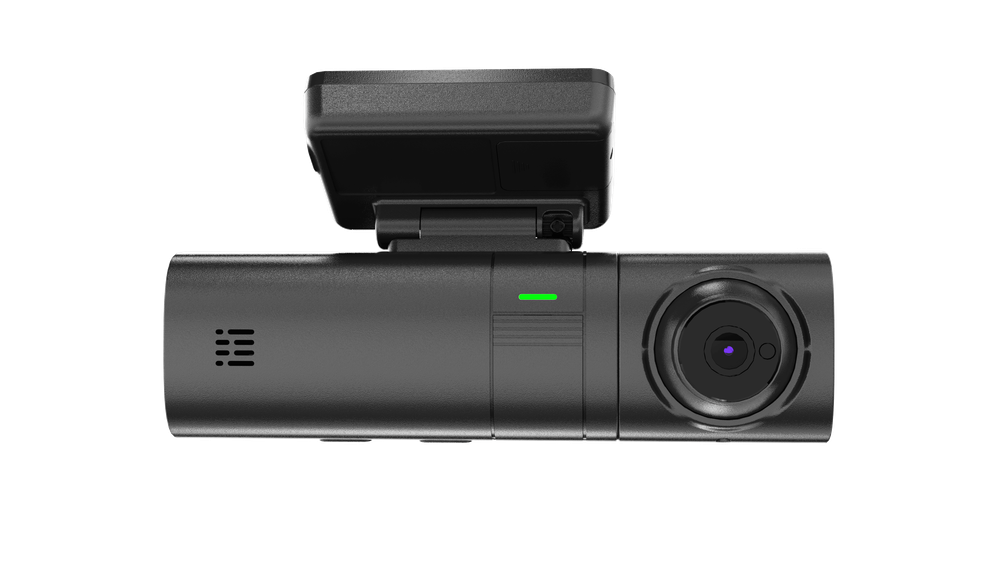
Look for a provider that focuses on outcomes, not gimmicks. Ask for these before you sign:- Real reference fleets in your industry (not generic case studies). – Clear SLAs for uptime and data latency. – Open APIs so you can integrate telematics into your ops stack. – A simple rollout path with coachable driver onboarding. If you want a starting point when evaluating teams, check a reputable fleet telematics company against those criteria and compare demos against actual dashboards your dispatchers will use.
Real deployments: what actually changes on the ground
I’ve watched regional delivery operations shave idle and detention by doing three simple things: enforce geofence rules, push targeted coaching, and schedule preventive service. The results mirror public observations from major terminals like the Port of Los Angeles, where tight gate windows and dense traffic make visibility non-negotiable. Expect improved on-time performance, fewer roadside failures, and cleaner driver scorecards—not vague promises.
Common pitfalls teams fall into
– Buying the nicest hardware without defining what “nice” will change. – Overloading drivers with alerts; too many false positives kill adoption. – Skipping a phased rollout—start with a pilot and scale. – Treating telematics as an IT project instead of an operations change: dashboards don’t change behavior, coaching does.
A practical checklist to get started this quarter
1) Define 2 measurable goals (fuel %, on-time %, breakdowns per 1,000 miles). 2) Run a 60–90 day pilot on a representative subset of vehicles. 3) Train drivers on one behavior change at a time. 4) Integrate telematics data into payroll/dispatch systems through APIs. 5) Review KPIs weekly for the pilot, then iterate.
Bottom line
Fix the specific operational problems first, pick features that map to those fixes, and pilot quickly so you learn without overspending; that approach gets real cost and safety wins. For fleets looking for a partner that blends solid hardware, integration-first software, and operations-focused rollout playbooks, BSJ shows how those elements come together so your fleet stops guessing and starts improving.