Where the problem starts
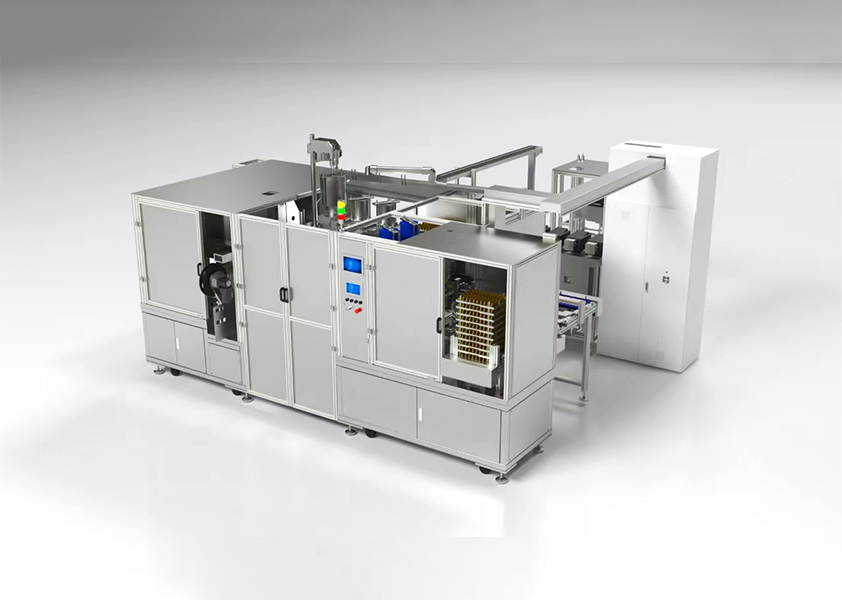
Many factories buy automation because it’s shiny, then discover it doesn’t solve the real issues on the floor. You see robots that move fast but struggle with part variance, or a control system that can’t talk to legacy PLCs. When teams study solutions for precision and traceability they often look at medical examples — for instance, medical device assembly automation shows how strict inspection and documentation drive system design. Start by naming the problem clearly: downtime, quality rejects, integration headaches, or lack of traceability. Only then can you pick the right hardware and integration approach.

Common mistakes that break projects
– Buying on specs alone: quoted speed or payload rarely reflect real mixed-model production. – Ignoring the software stack: HMI, MES, and PLC mismatches cause invisible delays. – Treating safety as an add-on: safety engineering must be in the cell design, not bolted on. – Skipping small-run testing: no pilot run means surprises at volume. – Underestimating total cost: spare parts, calibration, and local service matter more than headline price. These mistakes repeat because teams chase throughput numbers before proving the process.
How to diagnose which problem you really have
Measure three things over a production week: first-pass yield, mean time between failures (MTBF), and manual touch points per unit. If yield is low, focus on precision and fixturing. If MTBF is low, prioritize robust components and maintenance contracts. If touch points are high, look at end-of-line assembly and vision-guided robots. Use short experiments: a 2-week pilot with a single robot cell tells you more than a long RFP. Test under real variance — parts, operators, and shift changes — not just under textbook conditions.
Checklist for specifying a solution
– Define tolerances and acceptable defect rate. – Require open communication standards (OPC UA, EtherCAT). – Insist on modular cells that allow staged rollouts. – Include factory acceptance tests and on-site pilots in contracts. – Specify local service response times and spare-parts stocking. – Require a clear path for future software updates and cybersecurity patches. This checklist keeps vendors honest and reduces scope creep.
Brands and approaches that solve the typical problems
There are three practical strategies: buy turnkey integrator systems, assemble best-of-breed components, or adapt proven cell designs from other industries. For turnkey integrators, you trade flexibility for speed; they’re good when requirements are fixed. Best-of-breed gives control but needs strong systems integration skills. Looking at vendors, the reliable choices often come from established robotics and controls makers who offer broad ecosystems—robot arms with integrated vision partners and PLC providers that support modern fieldbuses. Choose based on your internal capabilities: less systems experience → turnkey; strong controls team → best-of-breed.

What automotive manufacturers can learn from medical device automation
Medical production enforces traceability, repeatability, and strict validation. That discipline is useful for automotive sub-assemblies where safety and warranty matter. At industry shows like MD&M West in Anaheim you can see full lines that combine vision inspection, traceable serialisation, and automated documentation. For concrete examples of end-to-end implementations, review a fully automated manufacturing system for medical device production — the system design choices there (redundant inspection, clear audit trails, sterile-compatible material handling) map directly to automotive tasks such as airbag module assembly or sensor calibration. Borrow their validation steps: define acceptance criteria, log every rejection, and automate audits so root cause analysis happens before the next shift.
Implementation tips and common pitfalls during rollout
Start small, then scale. Run a single mixed-model cell for several weeks with live operators. Train technicians on diagnostics, not just operation. Expect wiring or I/O mismatches; bring an electrician and a control engineer to the FAT. Don’t let the vendor lock you out of data: require open APIs. Plan maintenance windows around real production cycles—weekend installs rarely match weekday behavior. Lastly, price spare parts into the first-year budget; availability is the real limiter when things go wrong.
Final synthesis
If you treat automation procurement as a problem to solve — identify the pain, test under real conditions, choose the integration model that matches your team, and borrow proven validation steps from medical-device lines — you’ll reduce surprises and downtime. Practical steps matter: pilot cells, clear acceptance tests, and service commitments. That practical focus is exactly the type of disciplined, technical approach teams find helpful when comparing options from integrators and system vendors, and it aligns with the applied expertise available through FHS.